
The way businesses operate has transformed significantly with the rise of on-demand services. Traditional business models, which have been around for decades, rely on physical stores, fixed operating hours, and direct customer interaction. On the other hand, on-demand business models leverage digital platforms to offer products and services instantly, making them highly scalable and cost-effective. But which model is more profitable? In this blog, we’ll analyze the revenue potential, cost factors, and long-term sustainability of both models to determine which one offers better profitability.
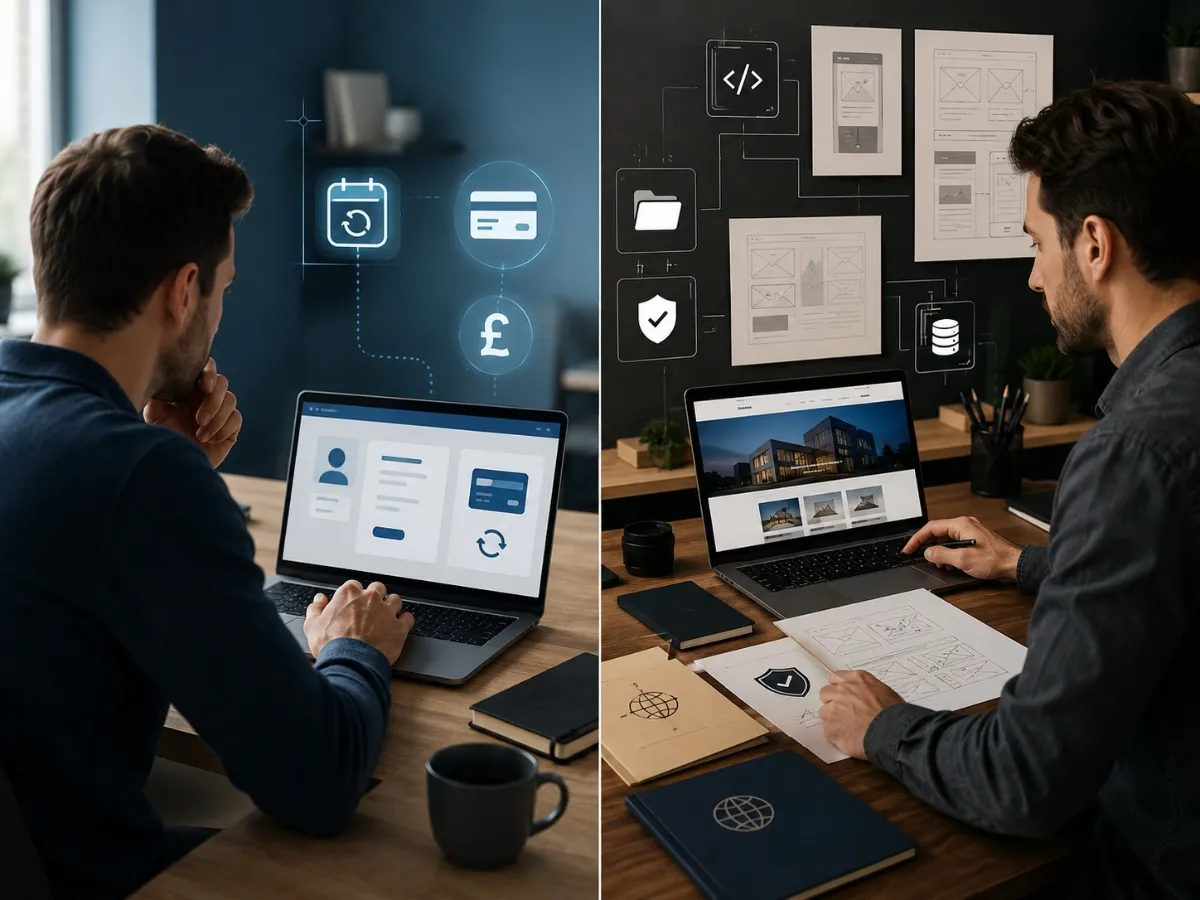
Understanding Traditional and On-Demand Business Models
Traditional Business Model
A traditional business model follows a structured and stable approach to sales and service delivery. It typically involves physical locations, scheduled appointments, and long-term customer relationships. Examples include retail stores, manufacturing businesses, and service providers with brick-and-mortar establishments.
Key Characteristics:
- Requires significant upfront investment in infrastructure, inventory, and staffing.
- Revenue depends on foot traffic, advertising, and repeat customers.
- Limited scalability due to location-based constraints.
On-Demand Business Model
On-demand businesses leverage mobile apps and digital platforms to connect customers with services instantly. This model has gained massive popularity in industries such as food delivery, ride-hailing, home services, and healthcare.
Key Characteristics:
- Operates primarily through digital platforms, reducing overhead costs.
- Offers instant access to services, enhancing customer convenience.
- Scales quickly without the need for heavy infrastructure investment.
Profitability Comparison: On-Demand vs. Traditional
1. Scalability and Growth
On-demand businesses can expand rapidly, tapping into new markets without the limitations of physical locations. Traditional businesses, however, require substantial investment to scale, making growth slower and more challenging.
2. Cost Efficiency
On-demand businesses operate with fewer fixed costs, as they don’t require large office spaces, warehouses, or full-time staff. Traditional businesses, in contrast, have high operational costs, including rent, utilities, and employee salaries, reducing their profit margins.
3. Customer Acquisition and Retention
On-demand businesses attract more customers due to their ease of use, flexible pricing, and 24/7 availability. Traditional businesses, while offering personalized services, often struggle with customer retention due to limited accessibility and rigid service hours.
4. Revenue Streams
On-demand businesses have multiple revenue streams, including service fees, commissions, subscriptions, and in-app purchases. Traditional businesses mainly rely on direct sales, which can limit their ability to generate recurring revenue.
Why On-Demand Business Models Are More Profitable
The on-demand economy is booming due to its flexibility, scalability, and cost-effectiveness. Businesses adopting this model can quickly generate higher profits by reducing operational costs, increasing customer reach, and diversifying their income streams. Traditional businesses, while still relevant in some sectors, face limitations in adapting to modern consumer preferences.
Conclusion
If you're looking to build a profitable and scalable business, the on-demand model is the best choice. By partnering with an on-demand app development company like Emizentech, you can develop a high-performing digital platform tailored to your industry needs. With expertise in cutting-edge technology and seamless user experience, we help businesses transition from traditional to on-demand models for sustained profitability.
























Sign in to leave a comment.