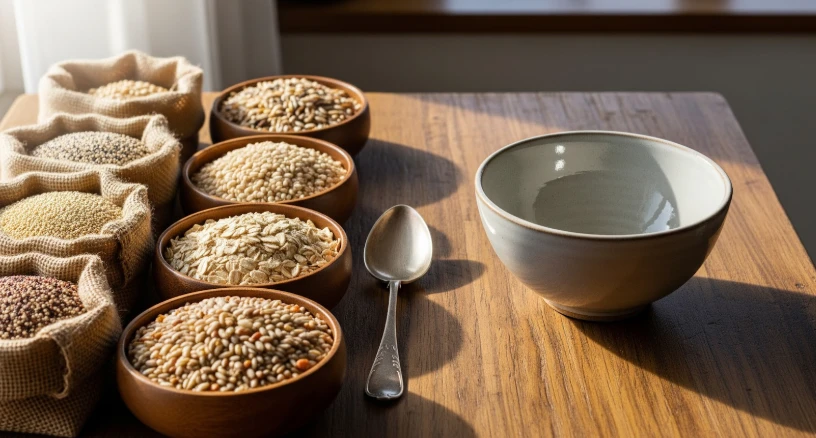

Some mornings, you wake up knowing exactly what kind of day is waiting. Other times, you roll out of bed and let the hours unfold as they will. Either way, what you put in your bowl at breakfast or lunch can set the tone for everything that follows. The grain you choose as your base is more than a filler. It is a decision that shapes your energy, your satisfaction, and how you feel when the afternoon slump threatens to hit.
Think of grains as the foundation of a meal prep strategy that actually works with your life rather than against it. Rice, quinoa, and couscous each bring something different to the table. Once you understand what makes each one shine, you can match your grain to your day with surprising precision.
Rice: The Steady Companion for Marathon Days
When you have a packed schedule stretching from early morning until well past dinner, rice is your ally. This humble grain has powered civilizations for thousands of years, and there is a reason it remains a staple in kitchens around the world.
Namely, rice releases its energy slowly, giving you sustained fuel rather than a quick spike followed by a crash. White rice digests a bit faster, while brown rice offers more fiber and keeps you feeling full longer. For those days when you know you will be running from meeting to meeting or tackling a project that demands hours of focused attention, brown rice in particular provides the kind of steady energy that helps you maintain momentum.
The beauty of rice lies in its neutrality: it absorbs whatever flavors you pair with it. It truly is endlessly adaptable. A bowl of rice can travel from Asian-inspired stir-fries to Mediterranean grain bowls to Latin American black bean combinations without missing a beat. Cook a large batch on Sunday, portion it into containers, and you’ll have a reliable base waiting for you all week.
Preparation is straightforward, though it does require some patience. Most rice varieties need about 15 to 20 minutes of cooking time, plus resting. If that sounds like too much for a busy morning, consider investing in a rice cooker or batch cooking. The time investment pays off when you can simply reheat and build your bowl in minutes.
For the best results, rinse your rice before cooking to remove excess starch. This prevents clumping and gives you fluffy, separate grains that are pleasant to eat. A splash of olive oil or a pat of butter stirred in after cooking will add richness without much effort.
Quinoa: When Your Body Needs More
Some days demand more from you physically. Maybe you are hitting the gym before work, recovering from an intense workout the previous day, or simply feeling like your body needs extra nutritional support. On these days, quinoa steps up in ways other grains cannot.
Unlike rice and most other grains, quinoa is a complete protein. Scilicet, it contains all nine essential amino acids your body cannot produce on its own. For vegetarians, vegans, or anyone trying to reduce their meat consumption, this feat makes quinoa remarkably valuable. A single cup of cooked quinoa delivers about 8 grams of protein along with fiber, iron, magnesium, and B vitamins.
The taste of quinoa is distinct, slightly nutty with a subtle earthiness that some people adore immediately, while others need a few tries to appreciate. If you fall into the second camp, try toasting quinoa in a dry pan before adding water. This brings out a deeper, more appealing flavor that can convert skeptics. You can also cook it in vegetable or chicken broth instead of water for some added depth.
Quinoa cooks faster than brown rice and is typically ready in ca. 15 minutes. You will know it is done when the little spiral germ separates from the seed and becomes visible. That tiny curl is not just a visual cue: it is where much of the protein lives.
Texture matters with quinoa. When cooked properly, each grain should be tender but still have a slight pop when you bite into it. Overcooked quinoa turns mushy and loses its appeal. Keep an eye on your pot, and remove it from the heat as soon as the water is absorbed.
Pair quinoa with roasted vegetables, a drizzle of tahini, and some fresh herbs. It also works beautifully cold in salads.
Couscous: Speed Meets Satisfaction
There are days when time simply is not on your side. You need something quick, but you refuse to sacrifice quality or settle for something that leaves you hungry an hour later. Couscous is your answer.
Technically, couscous is not a grain at all. It is tiny pasta made from semolina wheat, rolled and dried into those characteristic small granules. This distinction matters because it explains why couscous cooks so fast. While rice simmers and quinoa bubbles, couscous just needs boiling water poured over it and a few minutes to sit. Five minutes from pantry to plate is entirely achievable.
Despite its speed, couscous delivers real satisfaction. It has a pleasant, slightly chewy texture and a mild flavor that makes it incredibly versatile. Israeli couscous (a.k.a. pearl couscous) offers larger, chewier pearls that feel more substantial, while traditional Moroccan couscous provides a finer, fluffier base.
The world of couscous recipes is vast and inviting. Moroccan tagines are traditionally served over fluffy couscous, which soaks up all those complex spiced sauces. Mediterranean preparations might toss couscous with cherry tomatoes, cucumber, feta, and lemon vinaigrette. Middle Eastern versions often include dried fruits, nuts, and warming spices like cinnamon and cumin.
For the fastest preparation, simply place your couscous in a bowl, add an equal amount of boiling water or broth, cover, and wait five minutes. Fluff with a fork, season with salt and a drizzle of olive oil, and you have a perfectly serviceable base. From there, raid your refrigerator for toppings: leftover roasted vegetables, a handful of chickpeas, some crumbled cheese, fresh herbs… whatever you have on hand will do.
Choosing the Right Match
Matching your grain to your day becomes intuitive once you get into the habit. Ask yourself a few simple questions when planning your meals.
How much time do you have? If the answer is almost none, reach for couscous. If you can spare 20 minutes or have prepped in advance, rice and quinoa both become options.
What does your body need? Heavy physical demands or a desire for plant-based protein point toward quinoa. Steady, sustained energy for a long day at work makes rice the smart choice. A light but satisfying meal that will not weigh you down suggests couscous.
What flavors are you craving? All three grains are adaptable, but each has natural affinities. Rice loves soy, ginger, and sesame. Quinoa pairs beautifully with Middle Eastern and South American flavors. Couscous shines with Mediterranean and North African seasonings.
The real secret is keeping all three in your pantry. They store well, cook relatively quickly, and offer enough variety to prevent meal prep boredom. When you have options, choosing becomes a pleasure rather than a chore.
Choose wisely, and the rest of the meal will naturally fall into place.

































Sign in to leave a comment.