
Introduction
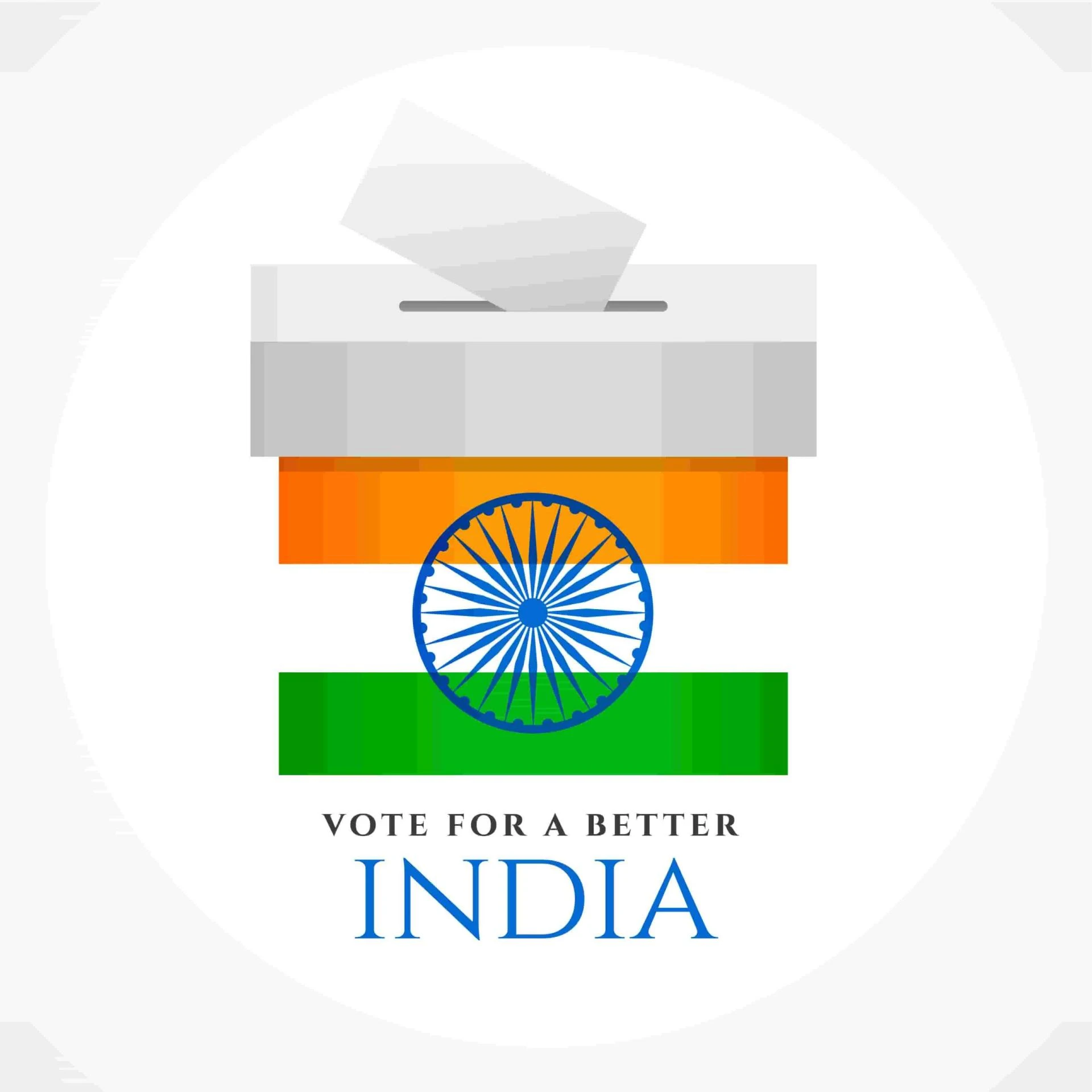
"One Nation, One Election" is a concept that has garnered significant attention and debate in India's political landscape. This idea proposes synchronizing the schedules of Lok Sabha (parliamentary) and state legislative assembly elections across the country. While it has both proponents and critics, there is no denying that it has the potential to be a game changer for India. In this essay, we will explore the advantages and challenges associated with the concept of "One Nation, One Election."
Advantages
1. Reduced Electoral Expenditure: Conducting multiple elections at different times is a costly affair for both the government and political parties. "One Nation, One Election" would significantly reduce the financial burden associated with frequent polls, allowing for better allocation of resources towards development projects.
2. Efficient Governance: Frequent elections can disrupt the governance process as governments often prioritize populist policies to win elections. Synchronized elections would allow elected representatives to focus on their duties and responsibilities, leading to more effective and stable governance.
3. Improved Voter Turnout: Voters often face election fatigue due to the constant electoral cycle. By reducing the frequency of elections, "One Nation, One Election" could potentially lead to higher voter turnout, as citizens may be more inclined to participate in a single, significant electoral event.
4. Enhanced Policy Continuity: Frequent changes in government can lead to policy instability. Synchronized elections would result in longer, more consistent policy windows, enabling better planning and execution of developmental projects.
5. Reduced Security Concerns: Managing security during elections is a significant challenge, and having fewer elections would ease the burden on security forces. This could lead to more effective maintenance of law and order.
Challenges
1. Constitutional Amendments: Implementing "One Nation, One Election" would require significant changes to India's constitution. It would necessitate amendments to Article 83 (duration of Lok Sabha) and Article 172 (duration of state legislative assemblies) to synchronize their terms.
2. Opposition Concerns: Critics argue that this concept might favor the ruling party by combining state and national elections, potentially limiting the opposition's ability to campaign effectively. They fear it could undermine the principle of federalism.
3. Practical Implementation: India's vast size and diversity present logistical challenges in conducting simultaneous elections. Coordinating the schedules of multiple states and the central government is a complex task.
4. Voter Awareness: Educating voters about the changes and ensuring they understand the significance of synchronized elections would be a considerable undertaking. Voter awareness campaigns would be essential.
5. Legal and Ethical Issues: Addressing legal and ethical issues related to holding elections during natural disasters, emergencies, or political crises is crucial to the success of "One Nation, One Election."
Conclusion
The concept of "One Nation, One Election" has the potential to reshape India's political landscape. While it offers several advantages, it is not without its challenges. To make it a reality, careful planning, consensus-building, and constitutional amendments are necessary. If successfully implemented, this idea could lead to more efficient governance, reduced electoral expenditure, and improved policy continuity, ultimately benefiting the nation and its citizens. However, it remains a contentious issue that demands thorough deliberation and debate before any final decisions are made.


























Sign in to leave a comment.