
Online learning has changed how professionals approach education, especially in fields that demand both flexibility and hands-on experience. For aspiring early childhood educators, the idea of learning online may raise an important question: Can virtual training truly prepare someone for real classroom situations?
The answer lies in how modern programs are designed. Today’s online CDA programs go beyond theory. They focus on practical, real-world applications that help educators build confidence and competence from the start. These programs allow learners to grow professionally without putting their lives on hold.
Flexibility Without Sacrificing Quality
One of the biggest advantages of online learning is flexibility. Many individuals pursuing a CDA credential balance work, family, and other responsibilities. A rigid schedule can make traditional classroom training difficult to manage.
Online programs remove that barrier. Learners can access materials on their own time, revisit lessons when needed, and progress at a pace that fits their lifestyle. This approach makes education more accessible while maintaining a structured learning path.
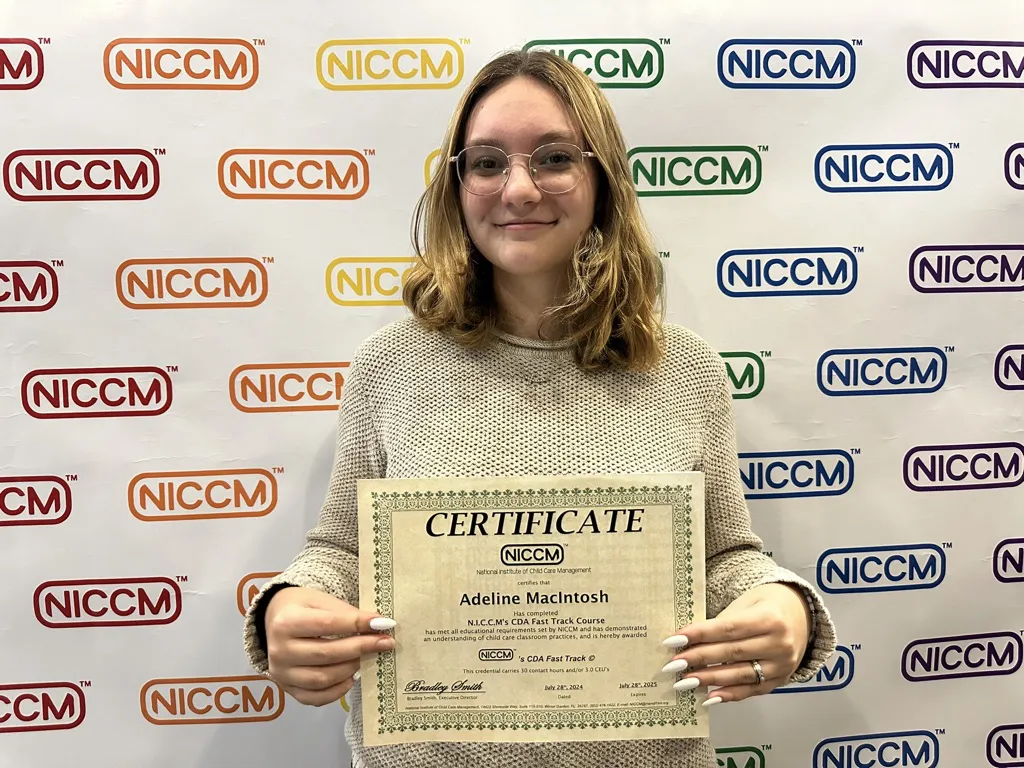
NICCM’s 3-Day Fast Track CDA Course offers an additional option for those who want a more focused and efficient experience. It combines structured instruction with practical insight, helping learners quickly build skills they can apply immediately.
Flexibility does not mean compromise. It means learning in a way that supports long-term success.

Turning Knowledge Into Practical Skills
Effective training connects theory with action. A child development associate credential emphasizes skills that educators use daily, such as guiding behavior, supporting development, and communicating with families.
Online CDA programs incorporate real-life scenarios that reflect classroom environments. Learners explore situations they are likely to encounter and develop strategies to handle them effectively. This approach ensures that knowledge translates into practice.
Educators often find that they can apply what they learn almost immediately. Whether they are working in a classroom or preparing to enter the field, these skills create a strong foundation for success.
Building Confidence Through Structured Learning
Confidence plays a key role in professional growth. New educators often feel uncertain when stepping into classroom settings, especially without prior experience. Structured learning helps reduce that uncertainty.
Completing a CDA certification in Florida provides clear expectations and practical guidance. Learners understand their responsibilities and gain the tools needed to manage them effectively.
Online learning environments also encourage reflection. Educators can review concepts, practice skills, and build understanding at their own pace. This process helps reinforce knowledge and strengthen confidence over time.
When learners feel prepared, they perform more effectively and approach their roles with greater assurance.
A Smarter Path to Professional Growth
Education should support progress, not create obstacles. Online learning offers a practical solution for individuals who want to advance their careers while managing their daily responsibilities.
Online CDA programs provide the flexibility, structure, and practical focus needed to succeed in early childhood education. They help learners build skills that matter and apply them with confidence.
The National Institute of Child Care Management offers programs designed to bridge the gap between learning and real-world application. Professionals who are ready to grow can explore NICCM’s training options and take the next step toward building meaningful, lasting skills in early childhood education.
Author Bio
The author is an education and workforce development writer who focuses on practical training pathways for early childhood professionals. He highlights flexible learning solutions that support real-world career growth.

























Sign in to leave a comment.