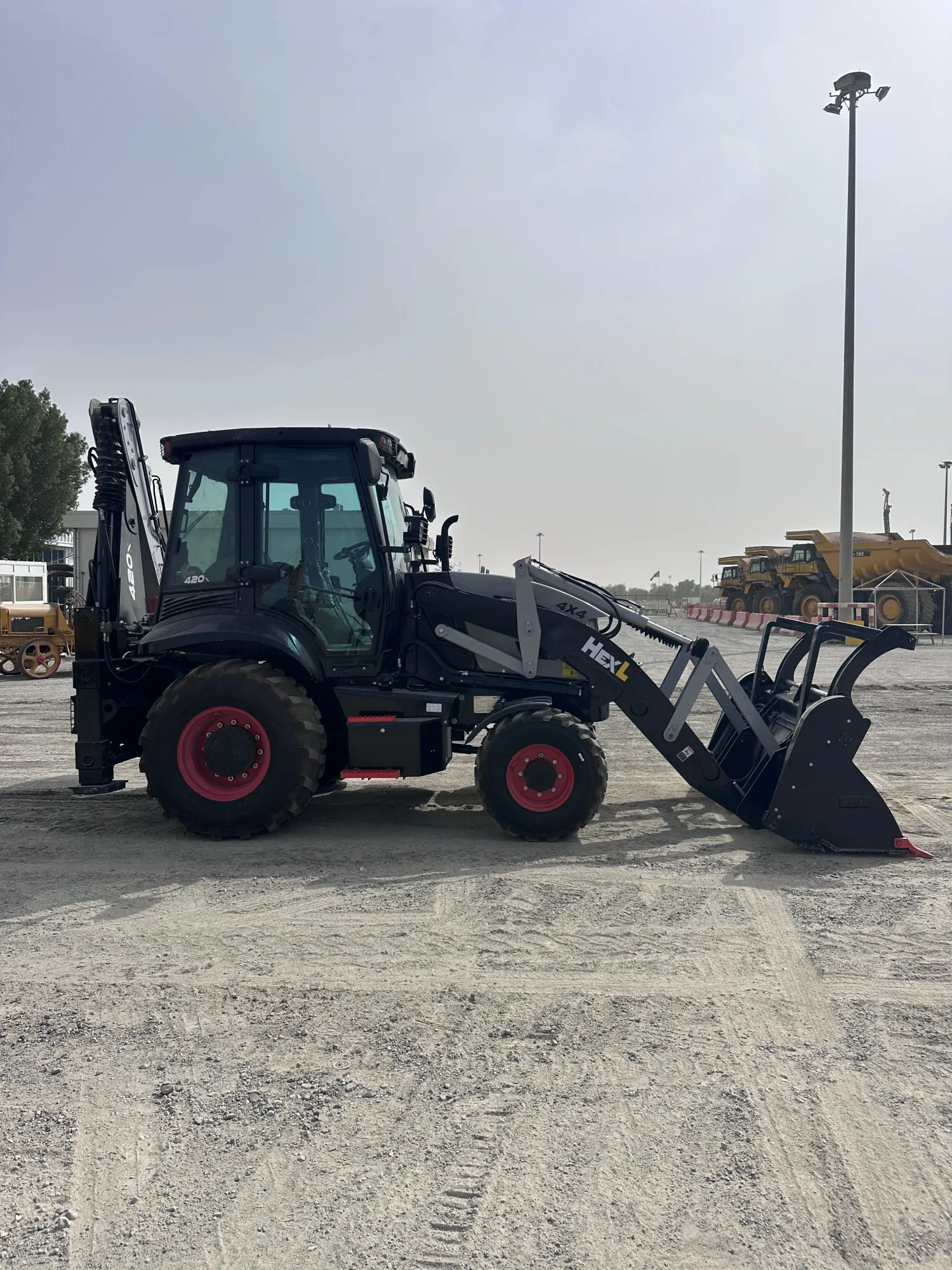

Most early mistakes by a first-time TLB operator come from skipped checks and rushed setup, not always a lack of skills. When you get it wrong, you pay through unplanned downtime, damaged attachments, hydraulic and tyre wear, and worksite safety risks. Picture your first day: a cold engine, new boots, and a crew pretending not to watch you work. Your checklist is short: certification, pre-start inspection, site assessment, stabiliser setup, and smooth control practice.
This guide covers the habits that prevent it: certification, pre-start inspection, site assessment, stabiliser setup and smooth control use. This is ideal for first-time operators and the supervisors or owners who put them in the cab. Each point below is something you can check on site today. This TLB operator training guide is for the first-timer on day one and the supervisor or plant-hire owner onboarding them.
H2: 10 Things A First-Time TLB Operator Must Know
H3: Certification & Authorisation Are Essential
Paperwork comes first for every TLB operator. Check current certification requirements, then confirm your employer has authorised you in writing for the exact machine. This is important because a ticket for a front-end loader may not cover a backhoe loader.
Carry proof of competence and any medical fitness certificate your employer asks for. Keep a copy in the cab for clients and site gatekeepers. Supervisors, this is where TLB operator training starts. Never accept "just move it for me" from a colleague. If your name isn't on the authorised list, you don't operate.
H3: 2. Pre-Start Walk-Arounds Are Non-Negotiable
Walk the machine before every shift. As a TLB operator, set aside 10 to 15 minutes before every shift. Park on level ground with the engine off, then walk the machine and check engine oil, coolant and hydraulic oil levels, and look underneath for fresh leaks. Inspect tyres, bucket teeth, pins, hoses and lights.
Start up and test the horn, reverse alarm, brakes and seat belt. The manual lists model-specific checks. Found a fault? Tag it and report it. A machine with a known defect doesn't leave the yard. A proper heavy machinery inspection catches small faults before they cost you a day.
H3: 3. Check For Buried Utilities & Overhead Hazards Before Digging
Dig blind, and you can hit a water main, a power cable or a fibre line in seconds. Before digging, ask your supervisor for utility drawings. Plans can be old or wrong, so treat them as a starting point. Where services may run, confirm their position with trial holes dug by hand, and follow site rules for digging near them.
Look overhead for power lines and other hazards before you raise the loader arm or boom. If you can't confirm what is above or below you, stop and ask. Good worksite safety starts right before you start working and checking the surroundings.
H3:4. Know Your Controls Before You Move The Machine
Before you start operating a machine, sit and learn every control with the engine off. Spend your first hour with the manual and the machine parked. Pair it with supervised practice since controls vary with models. Some use mechanical levers, others use pilot joysticks, and backhoe control patterns differ. Therefore, never assume the present machine will have the same layout as the last machine you used.
Identify the boom, stick, bucket, swing, stabiliser and loader controls, then the parking brake and emergency stop if fitted. Find the parking brake, forward and reverse selector, loader lever, backhoe levers, stabiliser levers, hydraulic lock and horn. A TLB operator who grabs the wrong lever drops loads or swings into things. Then practise on open, level ground with an empty bucket at low speed.
H3: 5. Set The Stabilisers Correctly Every Time
A TLB operator never digs on tyres alone. Every operator lowers the stabilisers before digging, never after. Park on firm, level ground and put the loader bucket down in front. Follow the specific machine’s stabiliser setup instructions. Avoid giving one setting for every TLB.
If the machine rocks while the bucket digs in, stop and reset. Recheck after rain or a long dig. Raise both stabilisers fully before you drive. Skipping this step can result in the machine shifting mid-dig.
6. Smooth Inputs Protect The Machine, The Load & The Operator
Jerky levers punish a backhoe, and this can wear your machine and spill the load. Sudden starts and stops send shock loads through the boom, pins, hoses and cylinders, so feather the controls and ease off before a cylinder hits the end of its stroke. In cold weather, follow your manual's warm-up routine and work the controls gently until the hydraulic oil warms up.
Carry loads low, with the bucket just above the ground, and keep your speed down. A TLB operator with smooth hands also spills less. Normal bucket loading is an intended TLB function, but don't use the bucket to lift or carry suspended loads, such as slung or chained items, unless the machine is set up and rated for lifting. Always follow the manufacturer's load limits.
7. Never Overload The Bucket Or Work Beyond Rated Limits
Every backhoe loader has rated limits, and they sit in the operator's manual. Bucket size tells a TLB operator volume, not weight. A heaped bucket of wet clay or broken rock can weigh much more than the same volume of loose, dry soil. Find the rated capacity and lifting limits in your manual.
Stay under them. Lift suspended loads only if the machine and attachment are rated for it, using proper lifting points. Never use the bucket to pry, drag or tow anything the manual doesn't allow. If you ignore it as an operator, it's nothing less than gambling.
8. Respect Slopes, Soft Ground & Trench Edges
Ground decides whether the day ends well. Keep the machine back from trench edges. Its weight and vibration can collapse a trench wall. Ask your supervisor for the safe distance, which depends on depth and soil. Deep trenches need support or sloped walls. On slopes, drive straight up or down with the loader low, never across the face.
Soft ground after rain can swallow a stabiliser pad, so test it first. Edges and slopes are where safety gets decided. For serious worksite safety, ask who has assessed the ground before you start.
9. Keep People & Obstacles Out Of The Swing & Loading Zone
A backhoe swings a long arm through a wide arc and the loader bucket covers the front, so check your mirrors, look around and confirm nobody is inside either zone before you move or swing. Agree on hand signals with the ground crew, and use a spotter in tight or busy areas. Never swing a loaded bucket over people, truck cabs or other machines.
If someone walks into your zone, stop and lower the bucket. Make eye contact before you move. Good worksite safety depends on a clear exclusion zone.
10. Report Faults & Shut Down The Machine
Park on level ground, clear of traffic and trenches. Lower the loader bucket and backhoe to the ground, select neutral and apply the park brake. Idle for a short period if your manual says so, then switch off and remove the key. Log and report every fault before the next shift: leaks, odd noises, soft brakes, warning lights. Tag the machine out of service if it isn't safe to run.
Look for new leaks, damage and loose parts, and write them in the logbook or tell your supervisor. When you report a small fault today, it doesn’t compromise your and the crew’s safety, plus doesn’t transform into a major problem.
Conclusion
Good habits keep a machine earning. Perform the checks, set up properly and respect every lever. This way your crew stays safe, and your machine stays working.
If you're choosing a machine for new hires, check out the HexL 420x SuperBackhoe. It is designed with an operator-first approach, with local dealers and spare parts dispatched within 48 hours*, depending on your region. Pair it with solid TLB operator training and strong worksite safety, and you're set for maximum uptime and maximum ROI.
























Sign in to leave a comment.