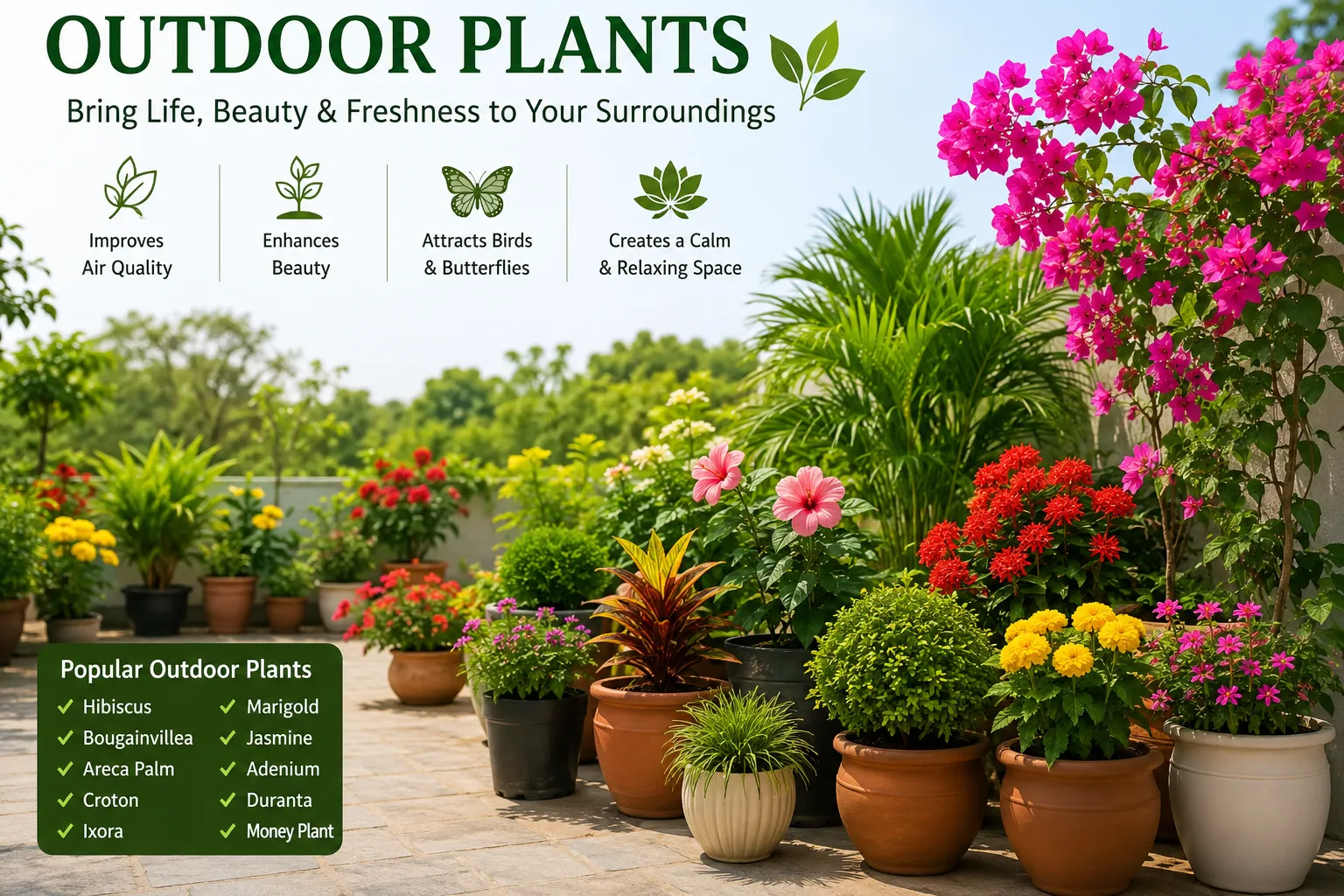

Outdoor plants are an essential part of creating a beautiful, vibrant, and welcoming landscape. Whether you have a spacious backyard, a cozy balcony, a terrace garden, or a commercial outdoor space, the right selection of plants can enhance the beauty of your surroundings while providing numerous environmental benefits. From colorful flowering varieties to lush evergreen shrubs and ornamental foliage, outdoor plants bring life, freshness, and natural charm to any setting.
Why Choose Outdoor Plants?
Outdoor plants do much more than improve the appearance of your property. They help purify the air, provide shade, support local biodiversity, and create a peaceful atmosphere. Many outdoor plants also attract butterflies, bees, and birds, contributing to a healthy ecosystem. In urban environments, they help reduce heat, improve air quality, and make outdoor spaces more enjoyable for relaxation and recreation.
Popular Types of Outdoor Plants
There are countless outdoor plants suitable for different climates and garden styles. Some of the most popular options include:
- Flowering Plants: Hibiscus, Bougainvillea, Rose, Marigold, and Ixora add vibrant colors and seasonal blooms.
- Ornamental Plants: Crotons, Dracaena, Cordyline, and Song of India provide striking foliage and texture.
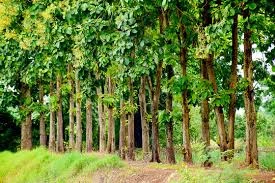
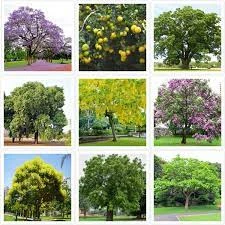
- Shade Trees: Neem, Ashoka, Gulmohar, and Indian Almond offer cooling shade and improve the landscape.
- Shrubs and Hedges: Duranta, Ficus, and Boxwood are ideal for creating natural borders and privacy.
- Climbers and Vines: Money Plant, Jasmine, and Rangoon Creeper beautify fences, walls, and pergolas.
Choosing a combination of these plants can create a balanced and visually appealing garden throughout the year.
Benefits of Growing Outdoor Plants
Investing in outdoor plants offers both aesthetic and practical advantages. Some of the key benefits include:
- Enhance curb appeal and property value.
- Improve air quality by absorbing pollutants.
- Reduce outdoor temperatures through natural shade.
- Encourage birds, butterflies, and beneficial insects.
- Create a relaxing and stress-free environment.
- Help prevent soil erosion and improve soil health.
- Provide fresh flowers, herbs, or fruits, depending on the plant varieties.
Tips for Caring for Outdoor Plants
Proper care ensures healthy growth and long-lasting beauty. Follow these simple maintenance tips:
- Choose plants that are well suited to your local climate and sunlight conditions.
- Water plants consistently, adjusting the frequency based on the season and soil moisture.
- Use nutrient-rich, well-draining soil for healthy root development.
- Apply organic compost or balanced fertilizers during the growing season.
- Prune dead leaves and branches regularly to encourage new growth.
- Monitor plants for pests and diseases and treat them promptly using eco-friendly methods.
- Add mulch around the base of plants to conserve moisture and suppress weeds.
Selecting the Right Outdoor Plants
Before purchasing outdoor plants, evaluate your available space, sunlight exposure, and maintenance preferences. Flowering plants are perfect for adding seasonal color, while evergreen shrubs provide year-round greenery. If you're looking for low-maintenance landscaping, drought-tolerant plants and native species are excellent choices because they require less water and care.
Container gardening is another great option for patios, balconies, and small outdoor spaces. Decorative pots filled with flowering plants or ornamental foliage can instantly enhance your outdoor décor without requiring a large garden.
Conclusion
Outdoor plants are one of the easiest and most effective ways to create a beautiful, healthy, and inviting environment. They improve the appearance of your home, support the ecosystem, and provide a peaceful retreat from everyday life. Whether you're designing a new landscape or refreshing an existing garden, selecting the right outdoor plants can make all the difference. With proper care and thoughtful planning, your outdoor space can flourish with vibrant greenery and colorful blooms throughout the year.























Sign in to leave a comment.