
Introduction
Heat is normal in heavy machinery. But when a concrete cutting machine starts running hotter than it should, it stops being a minor annoyance and becomes a real problem — slower cuts, shorter blade life, unexpected shutdowns, and in the worst cases, damaged equipment that costs you a full day of work.
The good news? Most overheating issues have straightforward causes. If you know what to look for, you can usually catch the problem early and sort it out without major repairs.
Why Overheating Happens in the First Place
Concrete cutting is hard on a machine. You are pushing a spinning blade through dense, abrasive material, often in outdoor conditions where temperature and dust are not exactly controlled.
A few things tend to cause overheating more than others.
Worn or wrong blades are a big one. When a blade gets dull, the machine has to work harder to get through the same material. That extra strain puts more load on the motor, which generates more heat. Using a blade that does not match the concrete type — too hard or too soft a bond — causes the same problem.
Blocked cooling vents are another common issue. Concrete cutting produces a lot of fine dust. Over time, that dust can pack into the vents and slow down airflow. Without airflow, heat has nowhere to go.
Running the machine too long without breaks matters more than most people think. Continuous use in a long stretch does not give the motor time to cool down between cuts. Many operators push through to finish a job, which is understandable, but it can cause a machine to overheat well before the end of the day.
Low coolant or water supply is a factor too, especially with wet-cutting setups. If the water flow is reduced, the blade heats up fast, and that heat transfers into the machine body.
Finally, simple mechanical wear — bearings that are starting to go, belts that are slightly misaligned — creates friction that adds to the thermal load. A machine that has not been serviced in a while is much more likely to overheat than one that gets regular attention.
Practical Ways to Manage Heat
The fixes are usually not complicated, but they do require some consistency.
Check and replace blades on a set schedule, not just when they look visibly damaged. A blade can be well past its useful life before it shows obvious signs of wear. If cuts are taking longer than normal, that is often the first signal.
Clean the cooling vents regularly, ideally after every workday in dusty conditions. A can of compressed air or a small brush is enough. It takes two minutes and makes a measurable difference in how cool the machine runs.
Build in rest intervals during long cutting sessions. A short break every 20 to 30 minutes of continuous use keeps temperatures in a safer range. The machine may feel fine right up until it shuts down automatically — do not wait for that.
With wet-cutting machines, monitor water flow before each use. A partially blocked nozzle or a kink in the supply line can reduce flow significantly without being obvious.
Have the machine serviced at least once a year even if nothing seems wrong. Catching a worn bearing or a slightly loose belt early costs very little. Replacing a burned-out motor costs a great deal more.
Signs That It Is Getting Worse, Not Better
If the machine shuts down on its own due to thermal protection, that is the system doing its job — but it is also a sign you should not ignore. Same with a burning smell, unusual vibration, or a motor that takes longer than usual to reach full speed. These usually mean the issue has moved past basic maintenance and into something that needs a closer look.
Do not keep running the machine if you notice these signs. Overheating that continues long enough can warp components, damage motor windings, or crack the blade arbor. The repair bill tends to grow quickly once things get to that stage.
Why Choose Vardhman Machinery
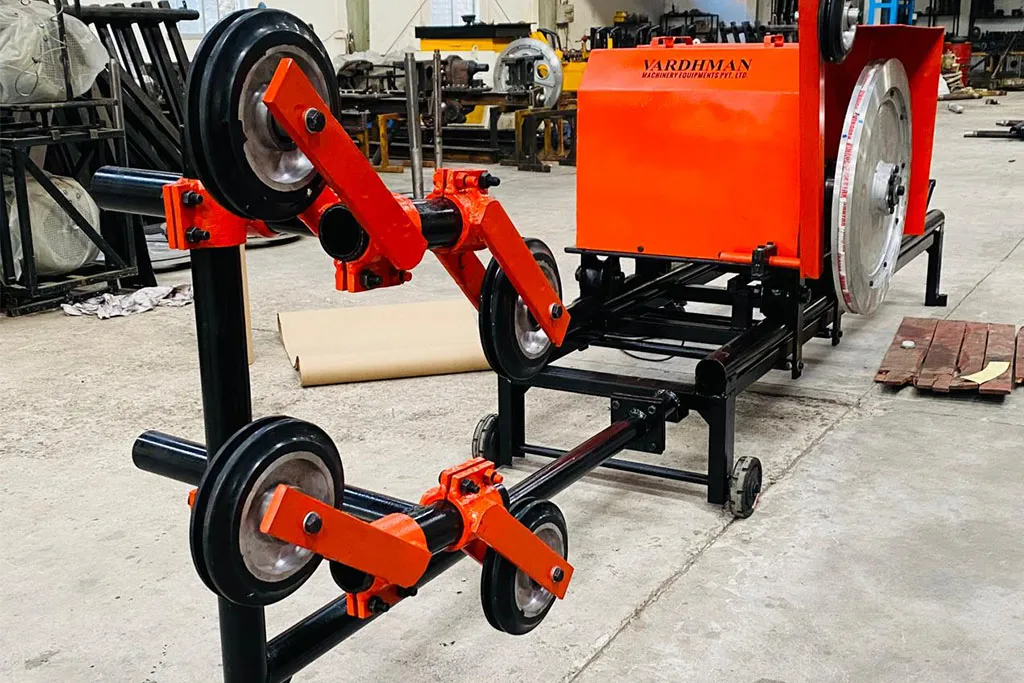
Vardhman Machinery builds cutting equipment for the conditions that Indian construction sites actually deal with — dust, heat, variable power supply, long working hours. Their machines are designed with thermal management in mind, not just cutting performance.
They also back their equipment with practical after-sales support. If something does go wrong, you can get straight answers about causes and repairs rather than being pushed toward an expensive service call for something you can fix yourself.
For contractors who cannot afford downtime, that combination of durable equipment and reliable support matters a lot.
Conclusion
Overheating in cutting equipment usually comes down to a handful of causes — blade condition, dust buildup, run time, coolant flow, and mechanical wear. None of these are difficult to address once you know what to check.
Stay ahead of maintenance rather than reacting to problems, and most machines will run without heat-related issues for a long time. If you do run into persistent overheating that does not respond to the basics, get it looked at by someone who knows the equipment. Waiting rarely makes it cheaper.
FAQs
Why does my concrete cutting machine keep shutting off during use? This is usually the thermal protection kicking in. The motor has reached its temperature limit and shuts down to prevent damage. Let it cool completely, check the vents for blockages, and look at whether you have been running it too long without breaks.
How often should I replace the blade on a concrete cutting machine? It depends on usage and material hardness, but a good rule is to check blade condition after every 10 to 15 hours of cutting. If cuts are slower, the blade is pulling to one side, or there is unusual vibration, replace it rather than pushing through.
Can low water flow cause overheating in wet-cut machines? Yes. Reduced water flow means less cooling at the blade. The heat builds up quickly and transfers into the machine. Check the nozzle, hose, and water supply pressure before each session.
What maintenance steps reduce overheating the most? Cleaning the cooling vents, replacing worn blades on schedule, and giving the machine regular rest intervals during heavy use. These three alone cover most overheating situations.
Is it safe to keep using the machine if it feels very hot to the touch? No. If the casing is hot enough to be uncomfortable to touch, stop using it. Let it cool down, check for obvious causes, and if the problem repeats, have it inspected before the next use.
























Sign in to leave a comment.