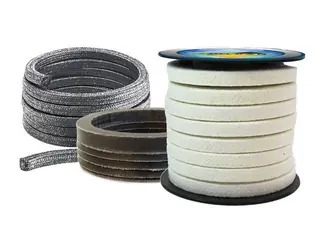
Introduction to Packing Seals in Industrial Applications
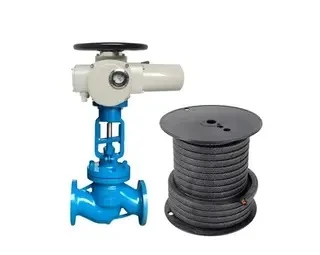
Packing seals are widely used for sealing in various industrial applications, such as pumps, valves, and shafts. While they offer a simple and cost-effective solution, they also face challenges related to friction and wear, which can impact their sealing effectiveness and service life.
Working Principle of Packing Seal
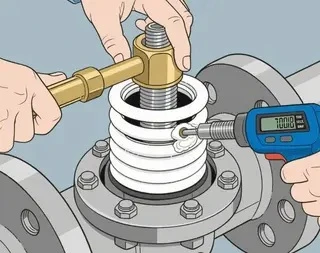
A packing seal works by applying pressure to packing material inside a stuffing box, causing it to tightly adhere to a rotating shaft (or rod). The pressure from the gland ensures a secure seal, preventing fluid leakage. However, this mechanism creates a large contact area, which increases friction and wear over time, affecting sealing performance.
Factors Affecting Friction and Wear of Packing Seals
- Gland Pressure
- Proper Pressure ensures good sealing but excessive pressure can increase friction, leading to faster wear. Insufficient pressure, on the other hand, can cause leakage.
- Operating Time
- Longer Operating Time causes the packing to lose elasticity and lubrication, leading to increased friction and wear. Over time, the surface of the packing becomes rough, worsening its performance.
- Number of Packing Rings
- Fewer Rings reduce the friction due to less surface contact, but too few rings can cause insufficient sealing. A balance between sealing performance and friction should be maintained.
- Shaft Surface Roughness
- Rough Shaft Surfaces increase friction and wear between the packing and shaft. Ensuring a smooth shaft surface during installation helps maintain effective sealing.
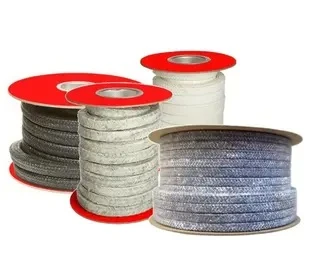
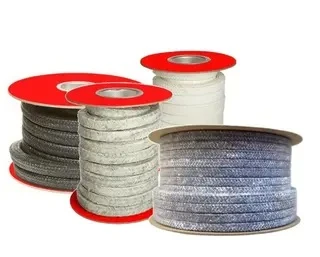
- Types of Packing Materials
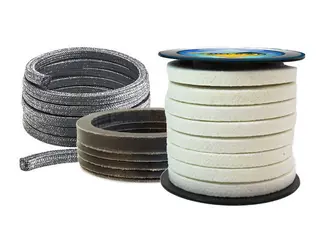
- Different materials have varying friction coefficients. For instance, PTFE packing has a much lower friction coefficient than cotton packing, making it more suitable for high-performance applications.
Wear Problems of Packing Seals and Solutions
Manifestations of Wear
- Packing wear is often evident near the gland, with reduced wear inward. Poor installation may cause uneven wear, leading to insufficient sealing. Electrochemical corrosion can also occur when graphite-lubricated packing is used on stainless steel shafts, causing shaft surface degradation.
Solutions to Wear
- Optimizing Installation: Ensure even packing distribution to avoid high-stress zones. Installing spacer rings can also help with lubricant injection and leakage monitoring.
- Selecting Appropriate Materials: Use materials like carbon fiber packing for enhanced wear resistance, and avoid materials like asbestos, which cause significant shaft wear.
- Lubrication and Cooling: Apply proper lubricants to reduce friction and wear, and consider forced lubrication or cooling in high-temperature or high-speed environments.
Lubrication and Cooling of Packing Seals
Importance of Lubrication
- Lubrication reduces friction and wear, extends the service life of packing seals, and dissipates friction heat. Forced lubrication systems can be beneficial in extreme conditions (e.g., high temperature or pressure).
Selection of Lubricants
- Lubricants must be chemically stable, resistant to electrochemical corrosion, and able to withstand high temperatures. Common lubricants include:
- Graphite: A stable and excellent lubricant but requires care due to its potential for electrochemical corrosion.
- PTFE: Used for both lubrication and filling, it prevents electrochemical corrosion and is resistant to various chemicals.
- Castor Oil: Suitable for water and acid-salt media.
- Animal Fat: Typically used for cold water applications but can corrode shafts over time.
Conclusion
Packing seals, while a cost-effective sealing solution, face significant challenges related to friction, wear, and leakage. By optimizing installation, selecting appropriate materials, and employing lubrication and cooling strategies, the performance and longevity of packing seals can be significantly improved. These measures help reduce wear, enhance sealing effectiveness, and lower maintenance costs, ensuring reliable sealing in industrial production.It's important to know about Google SEO to help your website rank higher in search results.


















Sign in to leave a comment.