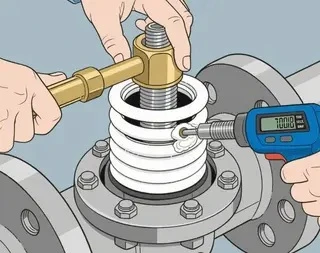
How to Determine if Valve Packing Needs Replacement
In industrial production, valves play a critical role in controlling fluid flow, and the packing gland is an essential component of valve sealing. If the packing develops issues, media leakage may occur, which can compromise production efficiency and even cause safety incidents. Promptly determining whether packing requires replacement is therefore crucial for valve maintenance. This guide provides practical methods to assess packing condition and ensure reliable valve operation.
1. Visual Inspection of Leakage
The most intuitive way to check packing condition is by observing for media leakage around the packing gland:
- Liquid leakage: Look for dripping, seeping, or pooling of liquids around the valve stem.
- Gas leakage: Apply soapy water to the packing gland; bubbles indicate gas leakage.
- Minor leaks: Slight dampness or tiny droplets may not immediately affect valve operation but should be monitored closely.
- Severe leaks: Continuous liquid flow or large gas emissions that affect the working environment or production quality require immediate packing replacement.
2. Sensation During Valve Operation
Changes in valve operation can indicate packing issues:
- Increased operating force: If a handwheel or actuator requires more effort than usual, the packing may have compacted, aged, or dried, increasing friction on the valve stem.
- Uneven or sticking movement: Inconsistent stem motion may be due to worn or improperly installed packing. Partial damage can cause localized friction, leading to sticking or shaking during operation.
3. Inspection of Packing Appearance and Condition
During routine maintenance or when issues are suspected:
- Check for aging or chemical damage: Hardened, brittle, or discolored packing (e.g., graphite turning grayish-white) indicates aging or chemical erosion.
- Assess wear: Severely worn packing loses thickness and sealing force. Woven packing with broken or loose fibers requires replacement.
- Test elasticity: Press the packing with a finger. If it does not rebound, sealing performance has declined. Elastic packing is necessary to maintain adaptive sealing during stem movement.
4. Reviewing Maintenance Records and Service Life
- Maintenance history: Frequent repairs, repeated packing adjustments, or persistent leakage suggest the packing may no longer perform effectively.
- Service life estimation: Under normal conditions, packing may last one to several years. Valves exposed to corrosive media or high-frequency operation (e.g., in chemical plants) may need replacement within a year, while valves in water supply systems may last longer. Long-used packing showing leakage or increased operating force should be replaced.
5. Other Inspection Methods
- Observe for leakage, seepage, or media residue around the valve stem.
- Check for hardened or brittle packing surfaces.
- Use clean paper or a hygrometer to detect seepage during operation.
- Conduct pressure tests; poor sealing performance usually indicates packing replacement is needed.
Precautions for Replacing Packing
When replacement is necessary, follow these best practices:
- Close the valve and empty the system: Ensure the valve is closed and all media are drained to prevent accidents or environmental contamination.
- Carefully remove old packing: Use appropriate tools, such as packing hooks, to remove old packing in a circular manner. Hardened packing can be softened with suitable solvents. Avoid damaging the valve stem or packing box.
- Clean and lubricate the valve stem: Remove all residue, rust, and impurities. Apply an appropriate lubricant, such as grease or graphite powder, to reduce friction and facilitate installation of the new packing.
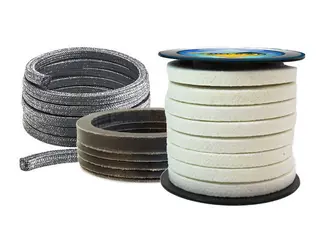
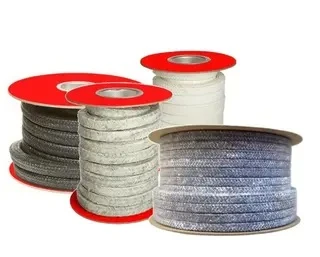
- Select appropriate packing material and specifications: Consider media type, temperature, pressure, and operating conditions. Common materials include:
- Graphite: High-temperature resistance and chemical stability, ideal for high-pressure, high-temperature, or corrosive media.
- PTFE: Low friction and self-lubricating, suitable for low-temperature, low-pressure, or mildly corrosive applications.
- Flexible graphite: Combines chemical resistance and flexibility for various environments.
- Ensure proper sealing and tightening:
- Install packing rings in a circular manner, gently tightening after each layer.
- Avoid tilting, loosening, or misalignment of the packing.
- Tighten the packing gland cover carefully—overtightening restricts stem movement, while undertightening may cause leakage.
Conclusion
Accurately determining whether valve packing needs replacement is essential for maintaining valve performance and ensuring operational safety. By combining visual inspection, operational assessment, packing condition checks, and maintenance records, technicians can make informed decisions. When replacing packing, it is critical to follow proper procedures, select suitable materials, and pay attention to installation details. Proper care ensures valves operate reliably, prevents leakage, and avoids production disruptions or safety hazards caused by faulty packing.It's important to know about Google SEO to help your website rank higher in search results.
























Sign in to leave a comment.