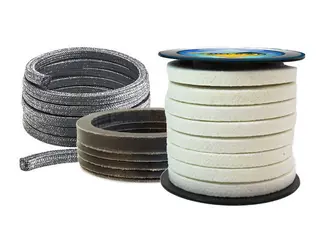
Packing Seal Technology in Industrial Applications: Principles, Challenges, and Optimization
In industrial production, sealing technology is crucial for maintaining equipment reliability and preventing leaks. Among various sealing methods, packing seals are widely used due to their simple structure, low cost, and versatility. However, this sealing method faces challenges such as friction and wear, which can affect performance and service life. This article explores the working principle of packing seals, the issues they encounter, and strategies to optimize their performance.
Working Principle of Packing Seals
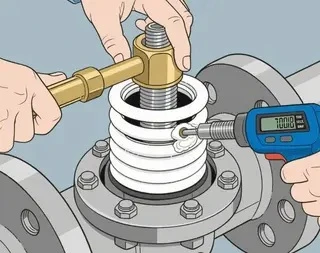
Packing seals achieve sealing through close contact between the packing material and the shaft or rod. The main components include the packing, stuffing box, and gland. When the packing is compressed by the gland inside the stuffing box, it tightly adheres to the shaft, preventing fluid leakage. Compared to other sealing methods, packing seals have a larger contact area and require significant compression force, which makes friction and wear particularly important considerations.
Factors Affecting Friction and Wear
Friction and wear directly influence sealing effectiveness and service life. Key factors include:
- Gland Pressure
- Proper gland pressure ensures sufficient contact between packing and shaft for effective sealing. Excessive pressure leads to over-compression, higher friction, and accelerated wear, while insufficient pressure can cause leakage.
- Operating Time
- Longer operation increases wear as packing loses elasticity and surface roughness develops. Continuous friction can also deplete internal lubricants, worsening wear.
- Number of Packing Rings
- More packing rings increase the contact area and friction but are often necessary for adequate sealing. The number of rings should be optimized for the specific operating conditions.
- Shaft Surface Roughness
- A rough shaft surface increases friction and wear and may compromise sealing. Ensuring a smooth shaft surface during design and installation is essential.
- Packing Material
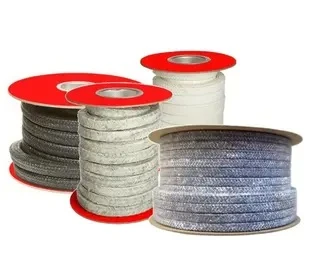
- Different materials have varying coefficients of friction. For example, PTFE has a low friction coefficient (≈0.04) compared to cotton (≈0.6–0.7). Material selection should consider the medium and operating conditions to minimize friction and wear.
Wear Issues and Solutions
Wear is a primary concern in packing seals and can reduce sealing performance or even lead to equipment failure.
Manifestations of Wear:
- Evenly worn packing is typical, with greater wear near the gland. Poorly installed packing may wear unevenly.
- Corrosion, especially on stainless steel shafts with graphite-lubricated packing, can accelerate wear due to electrochemical reactions.
Optimization Strategies:
- Proper Installation: Ensure packing is evenly distributed, compress gradually, and consider spacer rings for lubrication and leakage monitoring.
- Material Selection: Use wear-resistant materials like carbon fiber or PTFE-impregnated packings based on operating conditions.
- Lubrication and Cooling: Apply forced lubrication, use leakage fluids for lubrication, or install spring-loaded washers to maintain pressure and reduce wear.
Lubrication and Cooling
Lubrication and cooling are critical for minimizing friction, reducing wear, and extending service life.
- Lubrication: Maintains low friction, dissipates heat, and reduces thermal wear.
- Lubricant Selection: Must be chemically stable, resistant to medium, capable of penetrating packing fibers, and prevent electrochemical corrosion.
Common Lubricants and Uses:
- Animal fat: For cold water fiber packings; may corrode shafts.
- Castor oil: Suitable for water and acidic media; soluble in petroleum oils.
- Glycerin: Good for petroleum products and rubber packings; insoluble in petroleum oils.
- Graphite: Excellent solid lubricant but conductive; watch for electrochemical corrosion.
- PTFE: Acts as both filler and lubricant; temperature-resistant (-200 to 250°C) and chemically inert.
Conclusion
Packing seals are indispensable in industrial production due to their simplicity and reliability. Addressing friction and wear through proper material selection, optimized installation, lubrication, cooling, and automatic compensation devices can significantly enhance performance and service life. Implementing these strategies ensures effective sealing, reduces maintenance costs, and provides reliable operation in demanding industrial environments.It's important to know about Google SEO to help your website rank higher in search results.

























Sign in to leave a comment.