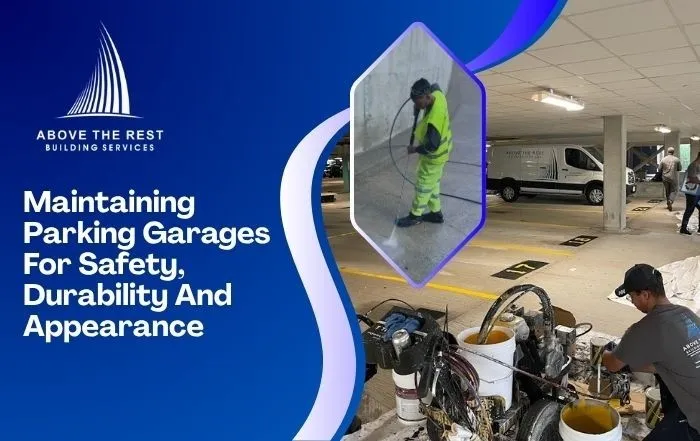


A parking garage is often one of the busiest areas of a commercial property. Every day, vehicles move through it, weather impacts its surfaces, and moisture finds opportunities to enter small openings that are easy to overlook.
Because garages are designed to handle constant use, many property owners assume they can withstand years of exposure without significant attention. In reality, most problems begin long before visible damage appears.
A small crack in the concrete may seem harmless.
A drainage area may begin holding water after a storm.
Line markings may gradually fade.
Individually, these issues may not appear urgent. Together, they often indicate the early stages of deterioration that can affect safety, appearance, and long-term structural performance.
This is why Parking Garage Maintenance plays an important role in protecting commercial properties throughout Boston, Cambridge, Massachusetts, Maine, New Hampshire, Rhode Island, Vermont, and Connecticut.
Why Parking Garages Experience More Wear Than Most Building Areas
Unlike many parts of a commercial property, parking garages are exposed to both environmental conditions and constant vehicle activity.
Rainwater, snow, road salt, oil residue, tire friction, and daily traffic all affect the structure. During winter months, freeze-thaw cycles create additional stress on concrete surfaces and joints.
Over time, these conditions can contribute to:
- Surface cracking
- Water intrusion
- Concrete deterioration
- Corrosion of reinforcement steel
- Drainage issues
- Reduced visibility from faded markings
Many of these problems begin beneath the surface before becoming visible during routine inspections.
What Happens When Maintenance Is Delayed
Parking garage issues rarely remain isolated.
When a crack allows moisture to enter, water can move deeper into the structure. If reinforcement steel becomes exposed to moisture, corrosion may begin. As corrosion expands, it places pressure on surrounding concrete, leading to spalling and surface deterioration.
What started as a small repair can eventually require more extensive restoration work.
This pattern is common across many commercial structures, including exterior façade systems, where minor moisture-related concerns often become larger maintenance projects when left unaddressed.
Common Signs That a Parking Garage Needs Attention
Property managers often notice the same warning signs before larger issues develop.
Cracking and Structural Movement
Concrete naturally experiences movement due to temperature changes and vehicle loads. Small cracks should be monitored because they can become entry points for water and contaminants.
Water Intrusion and Drainage Problems
Standing water is one of the most common indicators that drainage systems need attention. Poor drainage accelerates deterioration and increases slip hazards.
Surface Deterioration
Spalling, flaking, and surface wear are often signs that moisture and environmental exposure are affecting the concrete.
Corrosion of Reinforcement Steel
When moisture reaches embedded steel components, corrosion can reduce the long-term durability of the structure.
Faded Line Striping
Worn traffic markings can affect vehicle flow, reduce visibility, and create confusion for drivers and pedestrians.
Why Preventive Maintenance Matters
The most effective maintenance programs focus on identifying issues early.
A proactive Commercial Parking Garage Maintenance strategy typically includes inspections, cleaning, repairs, waterproofing, and surface restoration.
Professional inspections help identify hidden concerns before they become larger structural problems.
Parking Garage Pressure Washing removes salt, dirt, oil, and debris that contribute to surface deterioration.
Parking Garage Waterproofing helps reduce moisture intrusion and protects exposed concrete surfaces.
Parking Garage Line Striping improves visibility, traffic flow, and overall user safety.
When these services are performed regularly, they help extend the life of the structure while reducing unexpected repair costs.
Safety and Liability Considerations
Parking garages are high-traffic environments used by tenants, employees, visitors, and service providers.
When maintenance is delayed, safety risks often increase.
Standing water can create slip hazards.
Deteriorating concrete may create falling debris concerns.
Poor visibility can increase the likelihood of vehicle incidents.
These issues not only affect occupants but can also create liability concerns for property owners and managers.
The Importance of Appearance
A parking garage is often the first part of a property visitors experience.
Clean surfaces, visible markings, and well-maintained structures create a positive impression. On the other hand, deteriorating concrete, water stains, and faded markings can affect how people view the overall condition of the property.
Appearance and performance are closely connected. A well-maintained garage often reflects a well-managed building.
The Role of High-Access Maintenance
Certain areas within parking structures can be difficult to reach using traditional methods.
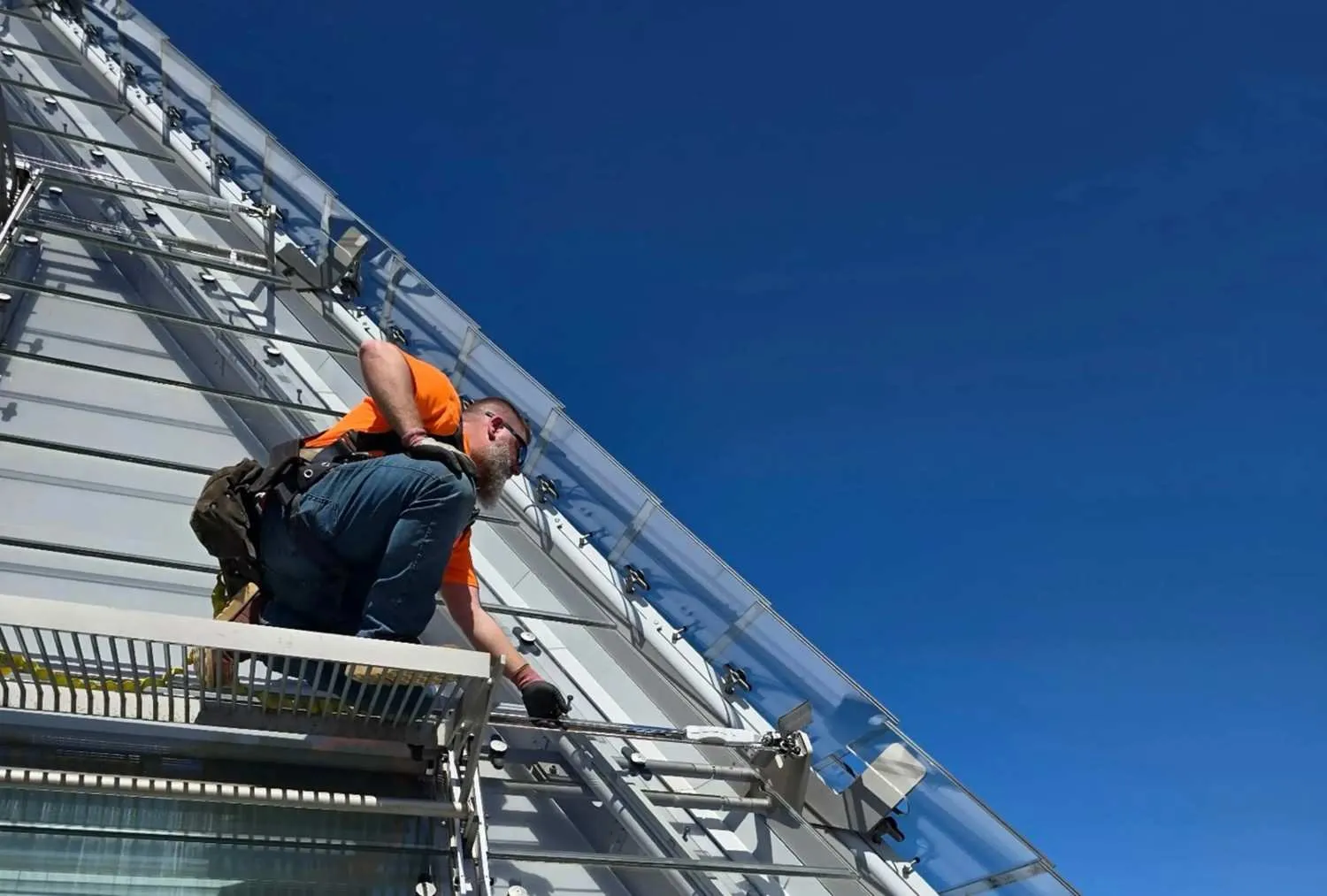
High-access maintenance allows technicians to safely inspect and maintain elevated surfaces, structural components, and hard-to-access locations without unnecessary disruption to building operations.
This approach can help identify issues that might otherwise go unnoticed until visible damage develops.
FAQs
What is parking garage maintenance?
Parking garage maintenance includes inspections, cleaning, repairs, waterproofing, line striping, and other services designed to keep parking structures safe and functional.
How often should a parking garage be inspected?
Most commercial parking garages should be inspected annually, with additional evaluations recommended after winter seasons or severe weather events.
Why do parking garages develop cracks?
Cracks often develop due to temperature changes, vehicle loads, moisture exposure, and natural structural movement.
What are the signs of parking garage deterioration?
Common signs include cracks, standing water, spalling concrete, corrosion, faded markings, and recurring maintenance issues.
Does waterproofing help extend the life of a parking garage?
Yes. Waterproofing helps reduce moisture intrusion, protects structural components, and can significantly improve long-term durability.
Conclusion
Parking garage deterioration rarely happens overnight. It develops gradually through daily use, environmental exposure, and moisture intrusion.
A consistent approach to Parking Garage Maintenance helps property owners identify risks early, improve safety, preserve appearance, and reduce long-term repair costs.
For commercial properties across New England, routine inspections, preventive maintenance, and timely repairs remain essential to protecting both the structure and the people who use it every day.

























Sign in to leave a comment.