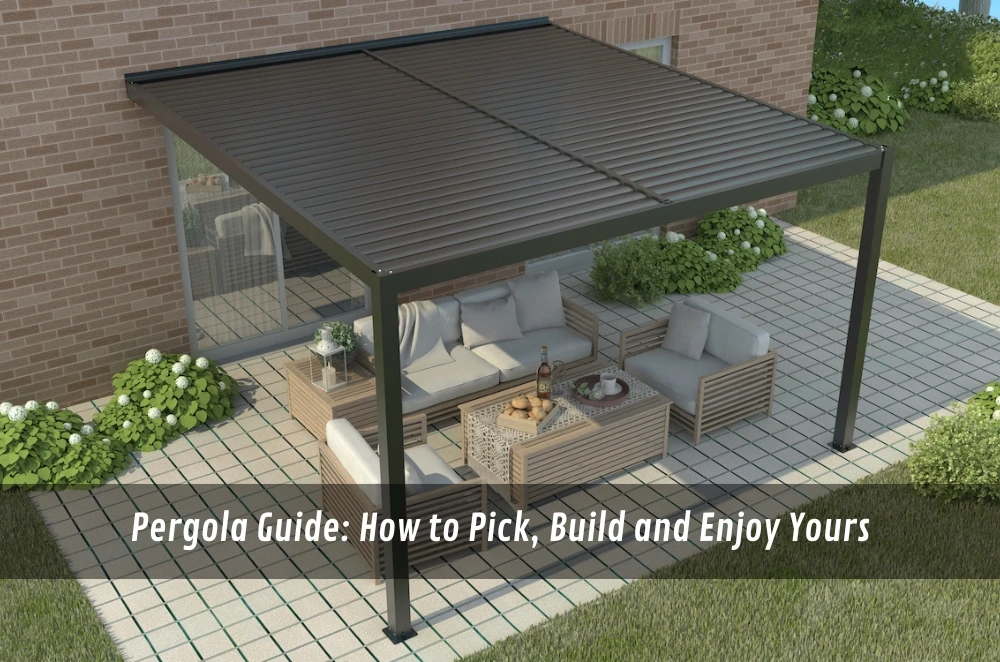

When you’ve lived in Australia long enough, you start to appreciate any bit of shade you can get — and that’s often where a pergola steps in. It’s not just a structure; it’s a way to carve out a space for slowing down, entertaining, or making the backyard feel finished. And if you’ve ever priced up premium pergola options, you’ll know how varied the options can be.
Still, choosing the right pergola isn’t always straightforward. Timber or steel? Attached or freestanding? DIY or custom-built? In this guide, we’ll break down the practical bits — the real “what works in the real world” knowledge — so you feel confident planning your outdoor upgrade.
I’ll also weave in some examples from my own experience (the wins, the mistakes, and the “should’ve planned that better” moments) to keep things grounded.
Planning your pergola: The essentials most people overlook
I’ve helped plan a few pergola projects over the years — some for friends, some for myself — and one thing always comes up: people underestimate the planning stage.
Here are the parts that actually matter:
- Orientation and shade: Think about where the afternoon sun hits your yard. A pergola can become a heat trap if it’s poorly placed.
- Micro-climate: Coastal areas cop with wind. Suburban backyards can be humid pockets. Choose materials accordingly.
- Drainage and runoff: Water pooling near posts can warp timber or cause corrosion in steel.
- Privacy considerations: If you’ve got neighbours peering in, slats, vines or screens can help.
A small example from my own backyard
Years ago, I built a modest timber pergola at a previous rental property. We placed it for looks, not function. By mid-summer, it was basically a solar oven. The following winter? Damp, mouldy beams because water drained directly onto the posts. It taught me two things: shade mapping matters… and drainage isn’t optional.
Knowing the rules: What to check before building
Before picking out materials, it’s worth checking the local regulations — especially in NSW, where pergolas often fall under “exempt development.” The specifics differ by area, but the government does publish clear rules around size, placement, height and setback requirements.
You can find these details in guides like the pergola building regulations, which outline when you need approval and when you don’t. Even if you’re outside NSW, the principles carry over: regulations exist to keep structures safe and compliant.
A few rules that commonly apply:
- Maximum floor area limits
- Distance from property boundaries
- Maximum height
- Whether roofing is allowed or classified differently
- Requirements for posts or footings
It’s never fun redoing work because something didn’t meet code — check early.
Choosing your materials: Timber, steel or aluminium?
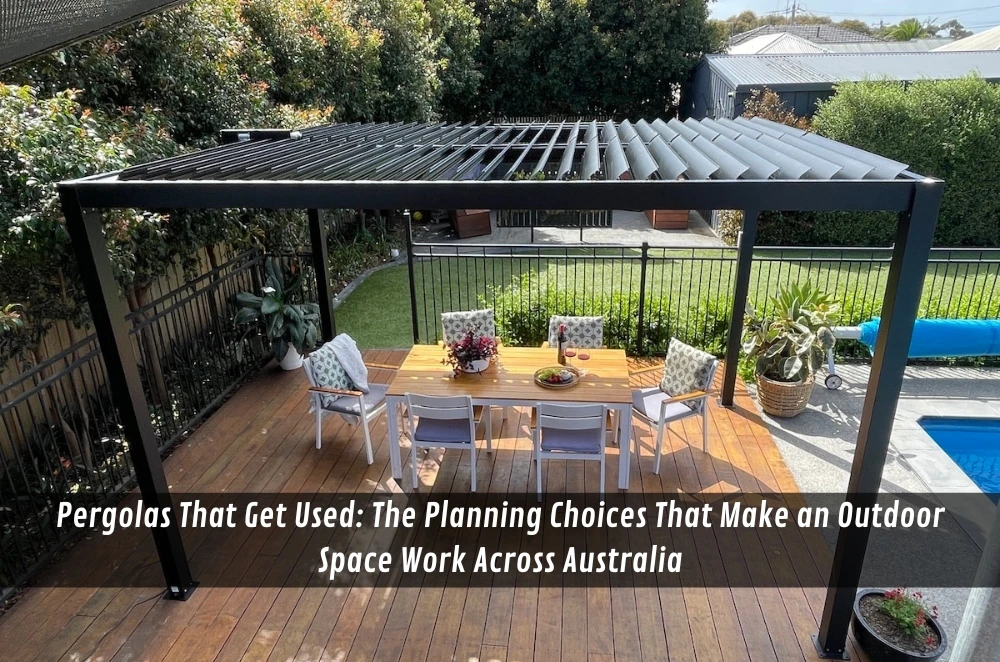
Material choice shapes almost everything — look, cost, durability, even how the pergola “feels” when you’re sitting under it.
Timber
Timber gives a warm, natural look. Cypress and treated pine are common choices.
Pros:
- Affordable
- Easy to work with
- Blends into gardens
- Cons:
- Requires regular oiling or staining
- Can warp or weather faster in harsh climates
Steel
Steel pergolas have a more architectural aesthetic.
Pros:
- Strong and long-lasting
- Low maintenance
- Modern look
- Cons:
- Can heat up in direct sun
- Slightly higher upfront cost
Aluminium
Aluminium is lightweight and corrosion-resistant.
Pros:
- Excellent for coastal environments
- Minimal maintenance
- Versatile and clean-looking
- Cons:
- Can feel less “solid” depending on the design
- Not always suitable for very large spans
If you want a deeper dive, you can explore a related topic, such as how to choose pergola materials once you’ve added the internal link on your host platform.
Design features worth considering (before your builder asks)
This is where pergolas get interesting. Once you’ve sorted materials and placement, the design details start to shape how you’ll use the space.
Roofing options:
- Open beams
- Polycarbonate roofing
- Retractable fabric
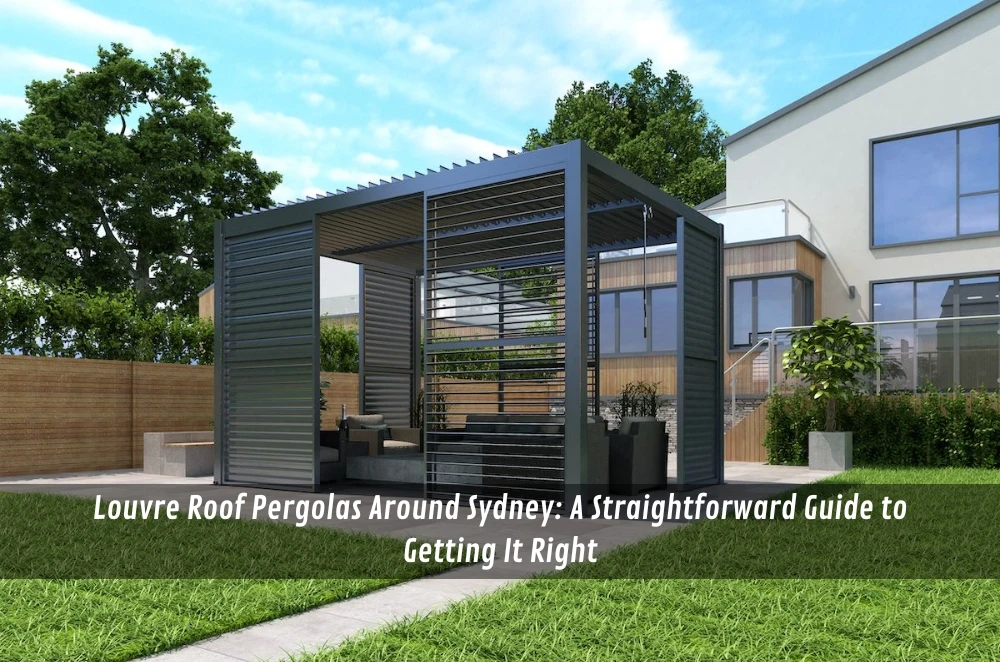
- Louvred roofing (manual or motorised)
Functional upgrades:
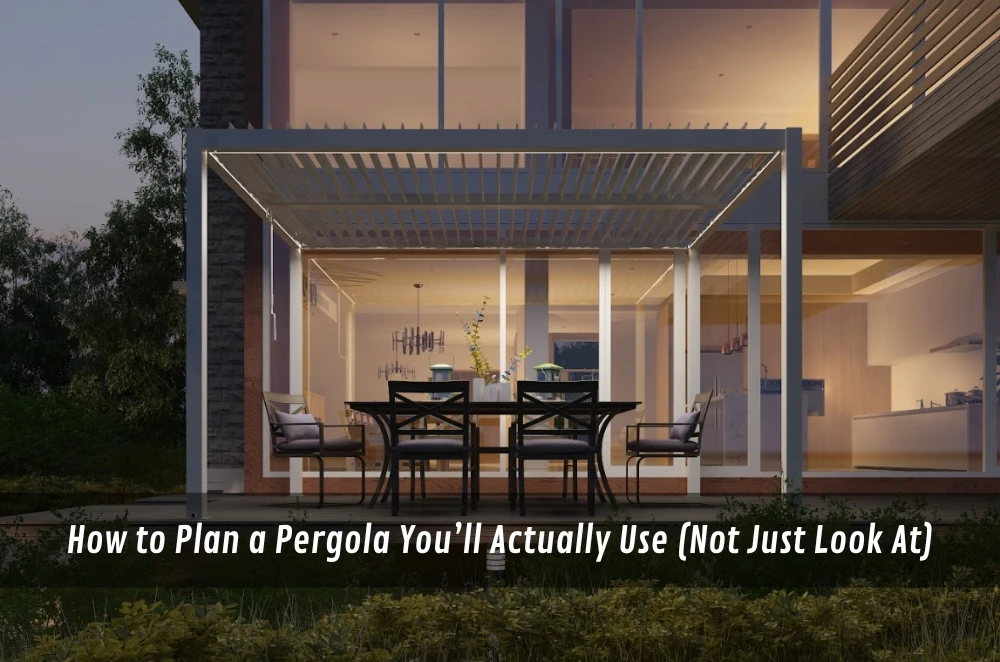
- Integrated lighting
- Outdoor heaters for winter
- Privacy screens
- Climbing vines or green roofs
- Built-in seating or planter boxes
I’ve always been surprised by how much difference lighting makes. At a mate’s place, we strung up cheap warm LED festoon lights one night just to test the mood — and that “temporary trial” became a permanent feature because it instantly made the space feel like a summer bar.
Building vs buying: how to know which option suits you
Some people can put together a pergola over a weekend. Others prefer a professional. Here’s how I suggest weighing it up.
When DIY makes sense
- You’ve built structures before
- You’re comfortable with measuring, levelling, anchoring, and cutting
- The design is simple
- Budget is the main factor
When a professional is worth it
- You want a long-term investment
- You’re dealing with irregular land
- You want a specific architectural look
- You need structural engineering for heavy roofing
- Compliance or paperwork gives you headaches
A small confession here: I once spent two full weekends assembling what was supposed to be a “simple” DIY pergola. After a lot of swearing, a dropped post, and one near-miss involving a wonky beam, I ended up calling a builder anyway. In hindsight, the professional quote would’ve saved me time and cash.
Styling your pergola: Turning a structure into a space
Once the pergola is up, the fun part begins — turning it into somewhere you actually want to spend time.
A few easy upgrades:
- Add layered lighting: pendant, festoon, wall lights
- Mix textures: timber furniture, woven mats, metal planters
- Introduce greenery: climbing jasmine, bougainvillea, wisteria
- Create zones: dining, lounging, reading corners
- Use outdoor-rated fabrics and cushions for comfort
If you want to explore bigger-picture inspiration, a neutral resource like the benefits of a pergola for home value can help guide how design choices influence overall property appeal.
Maintenance tips to make your pergola last
Even the best structure needs some TLC.
Monthly tasks:
- Sweep debris off beams or roofing
- Check for mould patches
- Clear leaves from gutters (if roofed)
Seasonal tasks:
- Re-oil timber
- Inspect screws or bolts for corrosion
- Wash down aluminium or steel frames
Annual jobs:
- Consider re-painting
- Pressure-wash timber or concrete footings
- Inspect for movement or settlement
A pergola that’s cared for can last decades. One that’s ignored? You’ll see the signs quickly — sagging beams, rust spots, rotting posts.
Bringing it all together
A pergola isn’t just a backyard add-on; it’s one of the most versatile ways to reshape how you use your outdoor space. Whether you want a quiet reading nook, a BBQ hub, or an all-season entertainer’s area, planning carefully — from orientation to materials to compliance — makes the final result more enjoyable.
If you’re still in the early planning stage, take your time. Visit a few display centres. Sketch ideas. Pay attention to how your yard behaves in different weather. And when you're ready, choosing the right build method and materials will make the difference between a pergola you use occasionally… and one that pergola experts becomes the heart of your home life outdoors.
























Sign in to leave a comment.