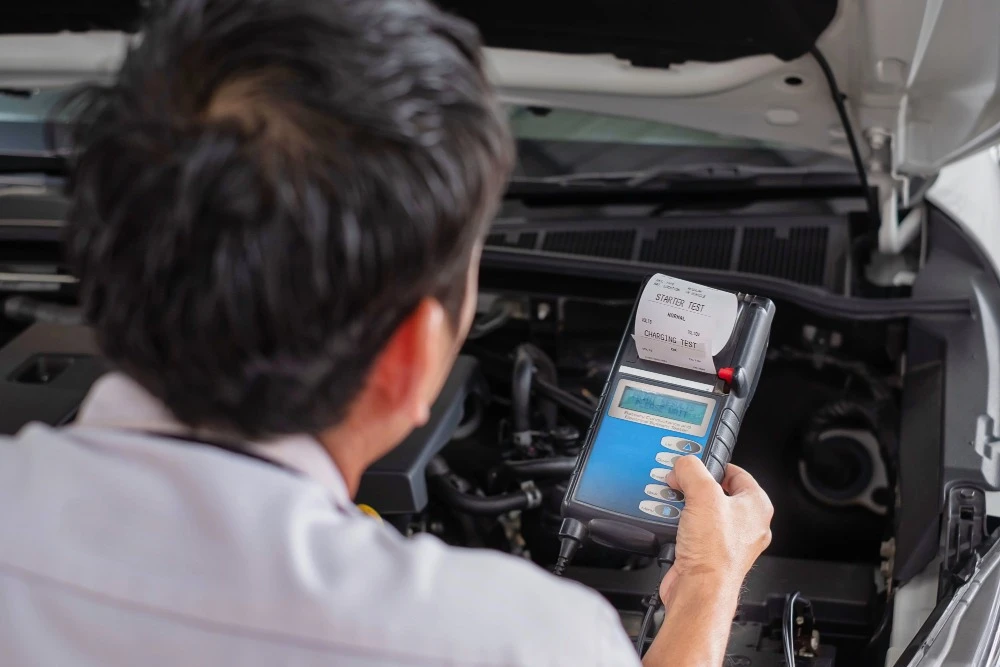

Periodic Maintenance Service (PMS) refers to the scheduled servicing of a vehicle as recommended by the manufacturer to ensure optimal performance and longevity. Think of it as a wellness check-up for your car. Just like you wouldn’t skip a medical check-up, your car also needs timely care and inspections.
Whether you're driving a brand-new sedan or a well-loved SUV, PMS helps you stay ahead of mechanical failures, enhances driving comfort, and maintains resale value.
Why Periodic Maintenance is Crucial for Vehicle Longevity
Your car is a complex machine made up of thousands of moving parts. Over time, wear and tear take a toll. Regular maintenance helps in catching issues early before they become costly problems. Following a periodic maintenance routine extends the life of your engine, transmission, and other key systems.
Without routine checkups, small issues like oil degradation or misaligned wheels can lead to complete engine failure or dangerous driving conditions. Skipping periodic maintenance might save you a few bucks now—but it'll cost you a fortune later.
Top Benefits of Regular Car Maintenance
1. Boosts Fuel Efficiency
A well-maintained engine runs more smoothly and uses fuel more efficiently. Dirty filters, old spark plugs, or misaligned wheels can reduce fuel economy significantly. PMS keeps everything in tune and saves money at the pump.
2. Increases Safety and Reliability
Routine checks on brakes, tires, and steering ensure your vehicle handles safely in any driving condition. You’re also far less likely to face a breakdown on a busy highway when your car is regularly maintained.
3. Prevents Expensive Repairs
Neglected maintenance can lead to major system failures. For example, ignoring oil changes can destroy your engine. Spending a little now on service prevents wallet-draining repairs later.
Understanding Your Vehicle’s Maintenance Schedule
Your owner’s manual is your car’s health chart. It details specific services needed at different mileage intervals—like 5,000 km, 10,000 km, and so on.
Services can include:
- Oil changes
- Brake inspection
- Air filter replacement
- Spark plug checks
- Timing belt replacements
Following this schedule keeps your warranty valid and your car road-ready.
Key Components Checked During Periodic Maintenance
Engine Oil and Filter Replacement
Oil lubricates engine parts and reduces friction. Over time, oil gets dirty and thick. Replacing it every 5,000–10,000 km ensures smooth engine operation and prevents overheating.
Brake System Inspection
Brake pads, rotors, and fluid are inspected for wear. Timely service prevents brake failure and ensures fast stopping power when needed.
Battery Health Check
Technicians test voltage and inspect terminals. A weak battery can leave you stranded, especially during colder seasons.
Tire Condition and Alignment
Tires are checked for tread depth, pressure, and even wear. Misaligned tires affect handling and fuel economy.
Fluids You Should Never Ignore
Transmission Fluid
This fluid helps your transmission shift smoothly. Low or dirty fluid can lead to jerky shifts or total transmission failure.
Coolant Level and Condition
Coolant regulates engine temperature. It must be clean and filled properly to avoid overheating.
Windshield Washer Fluid
This minor fluid is crucial for visibility during rain or dusty drives. It should be topped off regularly.
The Role of Diagnostic Tools in Modern Maintenance
Modern vehicles are equipped with hundreds of sensors. Diagnostic tools like OBD-II scanners are used during PMS to:
- Read error codes
- Monitor emissions
- Detect failing components early
This high-tech approach ensures accurate, fast problem-solving.
How Often Should You Book a Periodic Maintenance Service?
Most cars require service every 6 months or 5,000 to 10,000 km, whichever comes first. However, this can vary depending on:
- Driving habits
- Road conditions
- Vehicle age
- Manufacturer guidelines
DIY vs Professional Maintenance: What You Should Know
While DIY maintenance (like oil top-ups or filter cleaning) is great for minor issues, professionals are trained to:
- Detect hidden problems
- Use specialized tools
- Ensure warranty compliance
Balance is key. Do the small stuff yourself, but trust experts for full PMS.
Signs Your Car Is Overdue for Maintenance
- Warning Lights on the Dashboard: If the check engine or oil light stays on, don’t ignore it. It’s your car crying for help.
- Unusual Noises or Vibrations: Clunking sounds, grinding brakes, or vibrating steering often signal serious issues.
- Drop in Performance or Fuel Economy: If your car feels sluggish or needs more fuel than usual, it’s likely overdue for service.
Frequently Asked Questions (FAQs)
Q1: What is the average cost of a periodic maintenance service?
A1: Costs vary by vehicle type, location, and service scope. On average, expect ₹2,000–₹8,000 per service in India.
Q2: Is PMS different for petrol and diesel cars?
A2: Yes. Diesel engines may need more frequent oil and filter changes due to heavier soot buildup.
Q3: Can I skip PMS if my car is running fine?
A3: No. Just because your car feels fine doesn't mean everything is okay under the hood.
Q4: How do I know if a workshop is trustworthy?
A4: Check for certifications, customer reviews, transparent pricing, and use of genuine parts.
Q5: Will PMS improve my car's resale value?
A5: Absolutely. A well-documented service history is a major selling point.
Q6: Can PMS void my car warranty?
A6: Skipping recommended services or using unapproved parts may void your warranty.
Conclusion
Periodic Maintenance Service is more than just another item on your to-do list—it’s your best bet at keeping your car running like new for years to come. With rising fuel prices, unpredictable road conditions, and increasing vehicle costs, maintaining your car proactively is smarter than ever.
Whether you're a DIY enthusiast or prefer professional service centers, the key is consistency. Schedule your PMS today and invest in your car’s long-term performance and safety.
Don’t wait for problems to show up—prevent them with TSERV.






























Sign in to leave a comment.