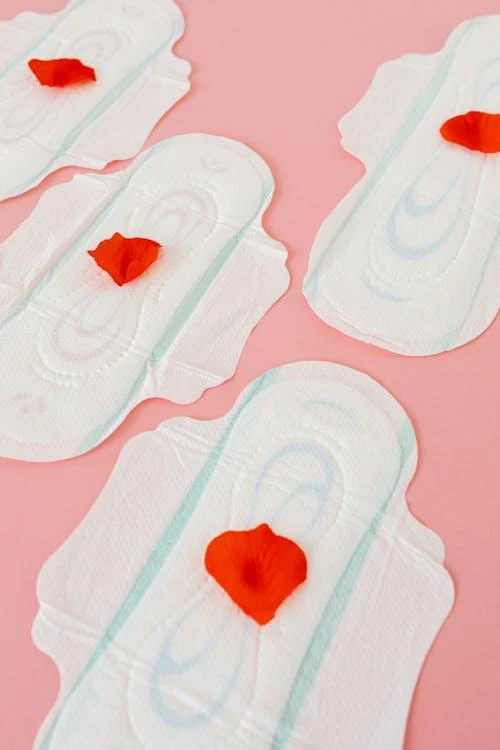

Menstrual inequity is a widespread but overlooked issue in correctional facilities across the United States, and New Jersey is no exception. Women in prison often struggle to access adequate feminine hygiene products, facing humiliation, discomfort, and potential health risks. The issue stems from inconsistent policies, inadequate supplies, and a broader stigma around menstruation that minimizes the importance of proper menstrual care.
For many incarcerated women, awareness of sanitary napkins as a basic necessity rather than a luxury is a fight they continue behind bars. The Utpat Foundation is working to bring attention to this pressing issue by advocating for policy changes that ensure equitable access to menstrual products in New Jersey prisons, particularly in cities like Trenton and Elizabeth.
Inadequate Access to Menstrual Products in NJ Prisons
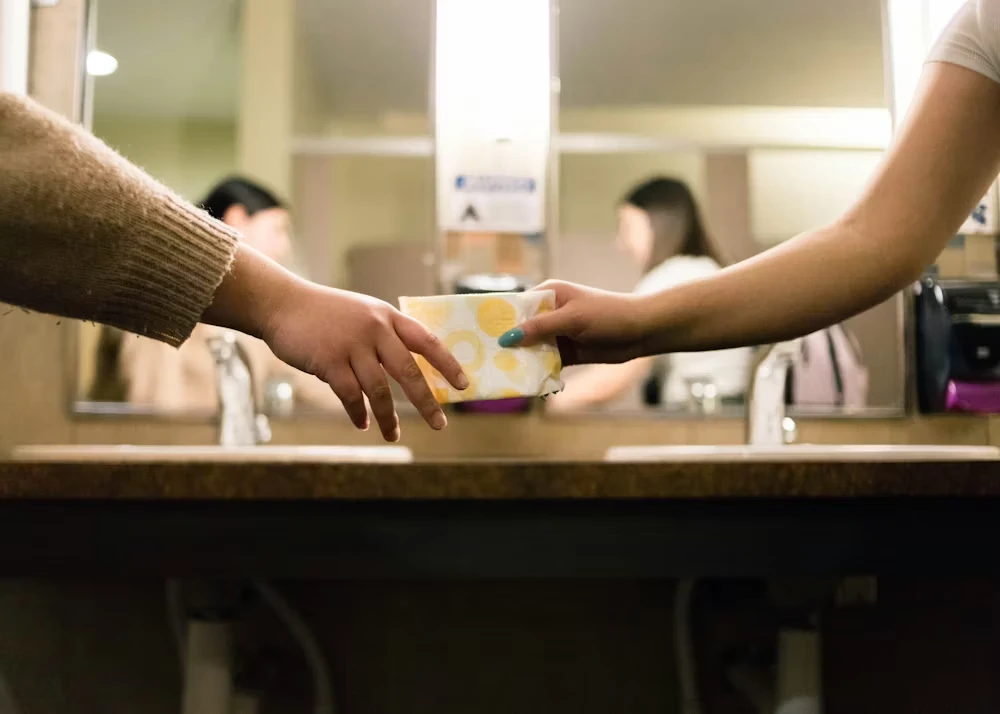
In many correctional facilities, access to menstrual products is severely restricted. Some prisons provide a limited number of pads per month, often of low quality and insufficient to meet the needs of inmates. Additional supplies must be purchased from commissaries, where prices are inflated. Women without financial support are left to ration products, use makeshift alternatives, or endure unsanitary conditions. This lack of access to feminine hygiene product donations creates a cycle of indignity and health risks.
Testimonies from Formerly Incarcerated Women
Sarah M., a formerly incarcerated woman from Trenton, recalls the struggle:
"We were given only five pads per month. If you bled heavily, you had no choice but to double up, reuse pads, or even use toilet paper. It was degrading."
Jessica R., who spent time in an Elizabeth correctional facility, shares a similar experience:
"If you couldn't afford to buy more, you had to beg or trade food for them. Some officers would make us feel ashamed for even asking. It was like our dignity didn’t matter."
These stories highlight the urgent need for menstrual hygiene awareness campaigns in correctional settings. The Utpat Foundation believes every woman deserves safe, hygienic, and dignified menstrual care—no matter where she is.
Legislative Efforts and Policy Advocacy
In recent years, some progress has been made in addressing this issue. The First Step Act, a federal law passed in 2018, mandates free menstrual products in federal prisons. However, this does not extend to state prisons and county jails, where policies vary widely.
New Jersey lawmakers and advocacy groups like the Utpat Foundation are pushing for stronger policies at the state level. Proposed legislation aims to require all correctional facilities to provide an adequate supply of menstrual products at no cost. However, enforcement remains a challenge, and many facilities still fall short.
Advocacy groups are also working to include menstrual education as part of prison healthcare programs. Menstrual health awareness in Newark and other areas is gaining traction, emphasizing that education and access must go hand in hand.
The Role of Community Organizations
Nonprofits and advocacy groups play a crucial role in bridging the gap where policy falls short. The Utpat Foundation has been instrumental in organizing feminine hygiene donation drives and raising awareness about the need for systemic change. Their initiatives include:
● Partnering with former inmates to share their stories and advocate for reform.
● Distributing feminine hygiene products donations to halfway houses and reentry programs.
● Hosting menstrual hygiene awareness campaigns to challenge the stigma around periods in carceral settings.
Through these efforts, the foundation is creating a movement that prioritizes the dignity and health of incarcerated women.

Breaking the Stigma and Creating Change
Beyond access to products, addressing menstrual inequity in prisons requires dismantling the stigma around menstruation. Many incarcerated women report feeling ashamed when discussing their menstrual needs, further exacerbated by the attitudes of prison staff and administrators.
By normalizing conversations about periods and advocating for institutional changes, organizations like the Utpat Foundation are driving significant progress. Public awareness campaigns, educational programs, and policy advocacy all contribute to a future where menstruation is recognized as a basic healthcare need, not a privilege.
The foundation’s work has already made an impact in places like Trenton, Elizabeth, and beyond. However, continued support is necessary to expand these initiatives and push for lasting reforms in New Jersey’s correctional system.

How You Can Help
Menstrual inequity in prisons is a solvable problem—but it requires collective action. You can support the Utpat Foundation by:
● Donating feminine hygiene products to women in need. Learn more here.
● Joining a menstrual hygiene awareness campaign to help advocate for policy reform. Get involved today.
● Supporting legislative efforts to ensure awareness about sanitary napkins in all correctional facilities. Contact the Utpat Foundation to learn how.
Together, we can create a more just and equitable system that recognizes menstrual health as a fundamental right for all women.
About the Author
The author is a public health advocate specializing in menstrual equity and women’s healthcare policy. With over 12 years of experience in healthcare research and policy reform, she has worked extensively with advocacy groups to promote menstrual health awareness in underserved communities. She collaborates with nonprofit organizations, including the Utpat Foundation, to address systemic barriers to menstrual care and push for legislative changes that ensure equitable access to sanitary products.


























Sign in to leave a comment.