

Every financial requirement is different. Some people need a small amount to cover a medical bill or a wedding expense, while others are looking at a bigger sum for home renovation, business expansion, or debt consolidation. Personal loans in India today are flexible enough to cover this entire range, and lenders now offer amounts starting from a few lakhs up to fifty lakhs or more, depending on your income, credit score, and repayment capacity.
Understanding how loan amount, tenure, and interest rate interact can help you make a smarter borrowing decision. This guide breaks down different loan amount ranges and what borrowers should keep in mind at each level.
Why Loan Amount Selection Matters
Borrowing more than you need increases your EMI burden and total interest outgo. Borrowing less than required can leave your financial goal incomplete, forcing you to take a second loan later. The right approach is to calculate your actual requirement first, then check your eligibility, and only then decide on the loan amount and tenure.
Banks and NBFCs assess your monthly income, existing liabilities, credit score, and employment stability before approving any loan amount. A higher loan amount usually requires a stronger income profile and a clean repayment history.
Smaller Loan Amounts for Immediate Needs
For expenses like medical emergencies, minor home repairs, or short-term cash flow gaps, a smaller loan works well because the EMI stays manageable. A 5 lakh personal loan is a common choice for salaried individuals who want quick funds without committing to a long repayment period. Most lenders process this amount faster since the risk exposure is lower and documentation requirements are simpler.
If your need is slightly bigger, such as funding a wedding, a family function, or clearing multiple small debts into one EMI, a 10 lakh personal loan gives more breathing room. At this amount, lenders may ask for additional income proof or a co-applicant if your salary is on the lower side, but approval timelines remain reasonably quick for applicants with a good credit score.
Mid-Range Loans for Bigger Plans
When the requirement moves toward home renovation, higher education costs, or starting a small business, borrowers usually look at larger amounts. A 20 lakh personal loan falls into this category and typically requires a stronger income bracket along with a credit score above 750 for the best interest rates. Since the repayment tenure is longer, it's important to compare processing fees and prepayment charges across lenders before finalizing.
For those planning significant investments such as property down payments, business capital, or large medical treatments, a 30 lakh personal loan is often considered. At this stage, lenders look closely at your debt-to-income ratio, so keeping existing EMIs low before applying improves your chances of approval and a better interest rate.
Higher Loan Amounts for Major Financial Goals
Some borrowers need funds for large-scale requirements like business expansion, real estate related expenses, or consolidating multiple high-interest debts into a single loan. A 40 lakh personal loan usually requires a higher income threshold, strong financial documentation, and sometimes collateral-free approval only for applicants with an excellent repayment history.
At the top end, a 50 lakh personal loan is generally offered to high-income professionals, business owners, or applicants with a strong financial track record. Lenders evaluate income tax returns, bank statements, and existing asset ownership carefully before approving this amount. Interest rates at this level can vary significantly between lenders, so comparing offers becomes essential.
Documents Generally Required
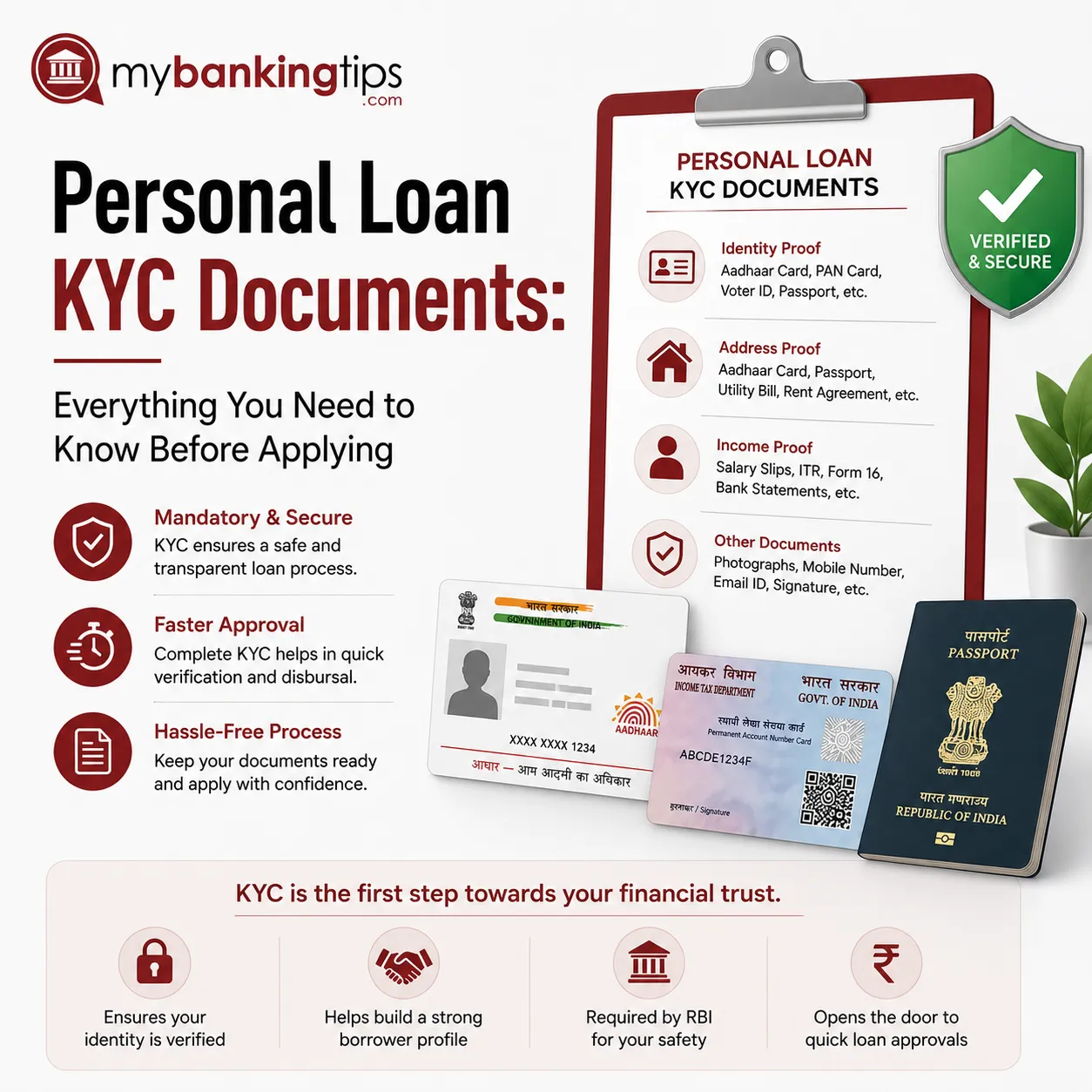
Regardless of the loan amount, most lenders ask for similar basic documents:
- Identity proof (Aadhaar, PAN)
- Address proof
- Income proof (salary slips or ITR for self-employed)
- Bank statements for the last 3-6 months
- Passport-size photographs
Higher loan amounts may require additional documents like Form 16, business financials, or proof of other assets.
Tips to Improve Loan Approval Chances
- Maintain a credit score above 750 for better interest rates
- Keep your existing EMI obligations low before applying
- Avoid applying to multiple lenders at the same time, as it affects your credit score
- Choose a tenure that balances EMI affordability with total interest cost
- Compare processing fees, foreclosure charges, and hidden costs before signing
Final Thoughts
Choosing the right personal loan amount depends entirely on your actual financial need and repayment capacity. Whether you're looking for a smaller amount to manage short-term expenses or a larger sum for major life goals, it helps to compare lenders, check eligibility criteria, and read the fine print before applying. At My Banking Tips, we focus on giving clear, practical information so you can make informed borrowing decisions without confusion.
Frequently Asked Questions
1. What is the maximum personal loan amount I can get?
This depends on your income, credit score, and lender policy. Some lenders offer up to 50 lakhs or more for high-income applicants with strong credit profiles.
2. Does loan amount affect the interest rate?
Yes, higher loan amounts sometimes come with slightly better interest rates if your credit profile is strong, since lenders view large approvals as lower risk for well-qualified borrowers.
3. Is collateral required for personal loans?
Most personal loans are unsecured, meaning no collateral is needed. However, very high loan amounts may sometimes require additional documentation or a guarantor.
4. How is loan eligibility calculated?
Lenders typically calculate eligibility based on your monthly income, existing EMIs, credit score, and employment type. A lower debt-to-income ratio improves eligibility.
5. Can I prepay my personal loan before the tenure ends?
Yes, most lenders allow prepayment, though some charge a foreclosure fee. It's advisable to check these charges before taking the loan.






















Sign in to leave a comment.