
Some loan offers arrive before you even ask for them - a message from your bank saying you're "eligible for an instant loan up to ₹X." This isn't a coincidence or a marketing gimmick. It's based on your existing relationship with the lender, and understanding how it actually works can help you decide whether to use it or look elsewhere.
What Makes an Offer "Pre-Approved"?
Banks and NBFCs continuously analyse their existing customers' financial behaviour - salary credits, transaction patterns, repayment history on existing loans or credit cards, and overall account activity. Based on this internal data, they identify customers who are low-risk and extend a pre-approved personal loan offer without requiring a fresh application or the usual round of document verification.
This is fundamentally different from a regular loan application, where the lender starts from scratch, evaluates your CIBIL score, checks your income proof, and verifies your employment before deciding. With a pre-approved offer, most of that groundwork has already been done internally, which is why the process moves so much faster.
Why the Process Is Noticeably Quicker
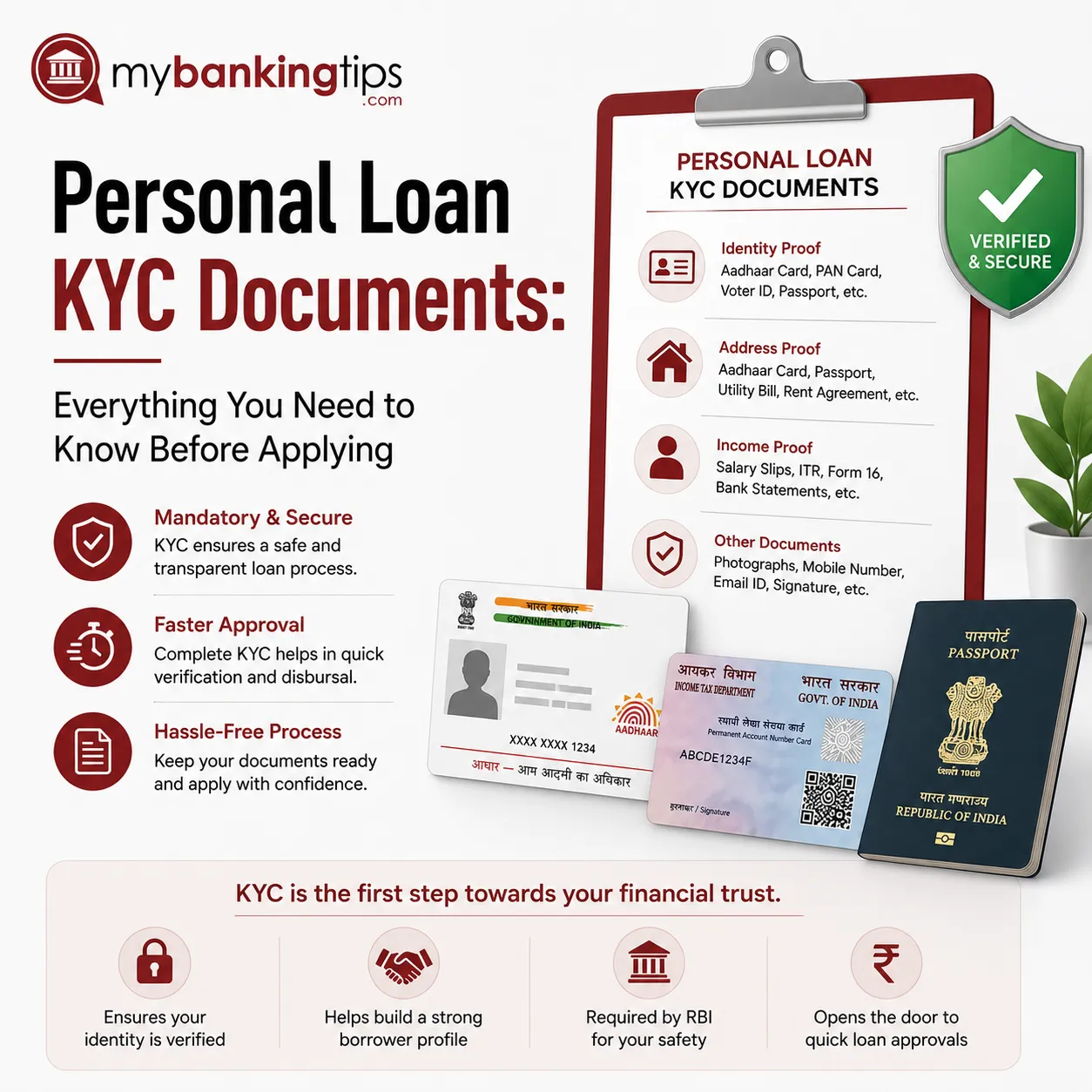
Because the lender already has your income data, repayment history, and KYC details on file, disbursal can happen within minutes to a few hours in many cases. You typically log into your bank's app or net banking portal, check your eligibility, select the loan amount and tenure, and confirm - without uploading a single new document.
This convenience is genuinely useful during time-sensitive situations, such as a medical expense or an urgent payment deadline, where waiting several days for standard loan processing isn't practical.
The Catch Most Borrowers Overlook
Speed and convenience don't automatically mean the best deal. Pre-approved offers are priced based on your existing profile with that specific lender, and the interest rate shown may not be the lowest one available in the market. Since the offer is presented to you directly, there's a natural tendency to accept it without comparing alternatives, simply because it's easy.
Before accepting, it's worth checking the effective interest rate, processing fee, and any prepayment charges attached to the offer, then comparing them against what a fresh application with another lender might offer. In some cases, a slightly slower process elsewhere results in meaningfully lower total cost.
How Eligibility Is Determined
Eligibility for these offers isn't static - it's recalculated periodically based on updated account activity. Factors that typically improve your standing include:
- Consistent salary credits into the same bank account over time
- A clean repayment record on existing loans or credit cards
- Low utilisation of your credit card limit
- No recent missed payments or bounced EMIs
- A stable or improving CIBIL score
If your financial behaviour changes - say, a missed credit card payment or a sudden drop in account activity - the offer amount may reduce or disappear from your app entirely the next time eligibility is recalculated.
Is It Actually Different From a Regular Loan?
In terms of repayment structure, no. You still repay through fixed monthly EMIs over a chosen tenure, and the loan is still unsecured, meaning no collateral is required. The core difference lies entirely in the approval process - how quickly the lender says yes, and how much documentation you need to submit.
It's also worth noting that these offers usually come with a validity period. If you don't act within the specified window, typically a few weeks to a couple of months, the offer may expire and you'll need to reapply through the standard process.
When It Makes Sense to Accept the Offer
A pre-approved offer works well when three things align: you have a genuine and immediate need for funds, the rate and fees compare reasonably well to market alternatives, and the loan amount matches what you actually require rather than the maximum sanctioned limit. Accepting simply because it's convenient, without checking whether the amount or tenure suits your budget, is where borrowers often run into repayment stress later.
When It Makes Sense to Skip It
If your need isn't urgent, it's usually worth spending a day or two comparing this offer against two or three other lenders. Banks competing for new customers sometimes offer better rates than what your existing bank extends through a pre-approved channel, since the pre-approved rate is partly a convenience premium rather than the most competitive figure on the market.
A Practical Way to Decide
Before accepting, run the numbers through an EMI calculator using the exact rate and tenure shown in the offer, and compare the total repayment amount against a similar loan from another lender. If the difference is minor, the convenience of skipping paperwork may be worth it. If the gap is significant, a short delay to apply elsewhere is usually the better financial decision.
Frequently Asked Questions
1. Do I need to submit documents for a pre-approved loan?
Usually not, since the lender already has your KYC and income details on file. In some cases, a minimal digital confirmation is still required.
2. Why did my pre-approved offer disappear from my banking app?
Eligibility is recalculated periodically. A missed payment, reduced account activity, or a drop in credit score can cause the offer to be withdrawn.
3. Is the interest rate on these offers always lower?
Not necessarily. Rates are based on your profile with that specific lender and may not be the most competitive rate available in the market.
4. Can I negotiate the terms of a pre-approved offer?
In most cases, the terms are fixed and non-negotiable, since they're generated through an automated eligibility system rather than manual underwriting.
5. Does accepting a pre-approved loan affect my credit score?
Yes, taking on a new loan adds to your credit utilisation and appears on your credit report, just like any other loan, and should be factored into future borrowing decisions.






















Sign in to leave a comment.