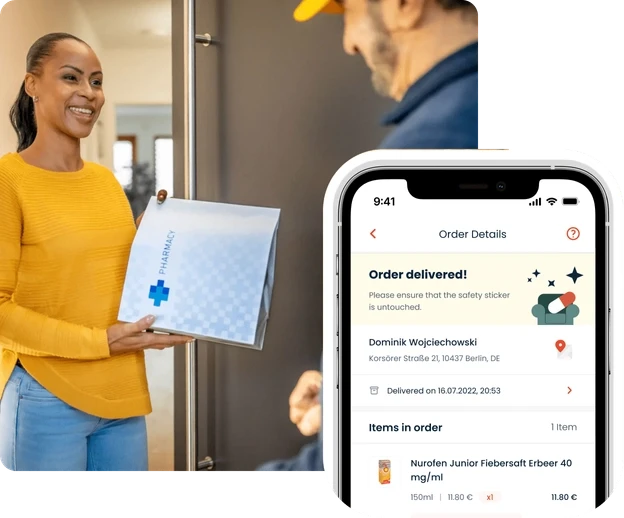

Walk into any independent pharmacy today and you will notice something that was far less common a few years ago.
Delivery drivers.
What used to be an occasional service for a few local patients has gradually become part of everyday pharmacy operations. Medications are now delivered across neighborhoods, sometimes across entire cities.
That shift did not happen overnight. But it has changed the way pharmacies think about logistics.
As prescription delivery demand increases, many pharmacies are beginning to adopt pharmacy delivery technology to keep operations organised and reliable.
The Demand for Home Prescription Delivery Keeps Growing
Patients today expect convenience in almost every service they use.
Healthcare is no exception.
More patients now prefer medications delivered directly to their homes rather than picking them up in person. For elderly patients or individuals managing chronic conditions, delivery can be extremely helpful.
But even younger patients are choosing delivery simply because it saves time.
Another factor pushing this trend forward is telemedicine.
When a consultation happens online, the next step often involves sending medication to the patient rather than asking them to visit a pharmacy. This naturally increases delivery volume.
Some independent pharmacies that once handled only a few deliveries per week now manage dozens every day.
At that scale, coordination becomes more complicated than it first appears.
What Happens When Deliveries Are Managed Manually
Many pharmacies still organise deliveries in the simplest way possible.
A spreadsheet.
A printed list.
Sometimes just a few phone calls between staff and drivers.
For small delivery volumes, that approach works well enough.
But once deliveries increase, problems start to appear.
Routes become inefficient. Drivers may travel across the same area multiple times in one day. Dispatch teams spend more time coordinating drivers than assisting patients.
I have heard pharmacy managers mention that mornings often begin with a long planning session just to assign deliveries.
That time adds up quickly.
It is one reason pharmacies start looking for structured systems once delivery demand grows.
Patients Now Expect Visibility
Another major change is how patients think about delivery itself.
People are used to tracking packages. They receive notifications, estimated arrival times, and delivery updates when ordering products online.
Naturally, they expect similar communication when medications are delivered.
But manual delivery coordination rarely provides that level of transparency.
If a patient calls to ask when their medication will arrive, the pharmacy staff may need to contact the driver first. Sometimes the answer is not immediately available.
This is where a pharmacy delivery software solution becomes useful.
Instead of relying on phone calls, pharmacy teams can monitor delivery progress directly through a system that tracks drivers and delivery status.
Compliance Is Part of the Challenge Too
Medication delivery involves more than simply dropping off a package.
Pharmacies often need clear confirmation that prescriptions reached the correct patient. In certain situations, maintaining accurate records is also necessary for internal accountability or regulatory compliance.
Manual tracking methods can make documentation inconsistent.
A driver may forget to record a delivery confirmation. A timestamp might be missing. Details sometimes get filled in later, which creates small gaps in records.
Over time, these issues can create administrative headaches.
Digital delivery platforms address this by automatically recording delivery activity. Proof of delivery, timestamps, and electronic confirmations create a clearer record of what happened and when.
For pharmacies managing sensitive healthcare products, that visibility can make a big difference.
Technology Helps Smaller Pharmacies Compete
Independent pharmacies operate very differently from national pharmacy chains.
They usually have smaller teams and fewer resources. Yet they often serve the same patients who expect modern delivery services.
Technology helps bridge that gap.
With organised delivery tools, pharmacies can manage routes, drivers and delivery confirmations through one platform rather than several disconnected systems.
That change does not require large logistics departments. Even small teams can coordinate deliveries more efficiently when processes are centralized.
In practice, the biggest advantage is visibility.
Pharmacy staff can see where deliveries stand during the day rather than waiting for drivers to return with updates.
Choosing the Right Delivery Platform
As delivery technology becomes more common, pharmacies face another question.
Which system should they use?
Not all delivery platforms offer the same capabilities. Some focus mainly on route planning. Others provide broader tools for dispatching, driver monitoring, and reporting.
Before selecting a platform, pharmacies usually review their own workflow first.
How many deliveries happen each day?
How many drivers are involved?
What type of delivery documentation is required?
Understanding these details helps narrow down the most suitable tools.
Another consideration is growth. Delivery demand tends to increase over time, so the system should handle larger workloads without becoming difficult to manage.
Because there are many platforms available, comparison resources are often helpful during this process.
Guides like best pharmacy delivery software in 2026 provide a useful overview of different systems and their capabilities, helping pharmacies evaluate vendors more confidently.
Delivery Is Becoming a Core Pharmacy Service
The role of pharmacies continues to evolve.
Healthcare services are becoming more patient-focused and convenience is a major part of that change. Medication delivery supports patients who cannot easily travel, as well as those who simply prefer home delivery.
As this shift continues, delivery operations will likely become a permanent part of pharmacy services.
Pharmacies that invest in pharmacy delivery technology now are often better positioned to handle future demand.
The goal is not just faster delivery.
It is creating a system that keeps deliveries organized, documented, and visible throughout the day.
Final Thoughts
Independent pharmacies are facing a new operational reality.
Prescription delivery is growing, patient expectations are changing, and delivery coordination is becoming more complex.
Manual processes that once worked for occasional deliveries are becoming harder to maintain as volumes increase.
This is why more pharmacies are exploring structured delivery tools and pharmacy delivery software solution platforms.
With the right technology in place, pharmacies can plan routes more efficiently, track deliveries in real time, and maintain clear documentation for every completed order.
For teams evaluating available platforms, reviewing the best pharmacy delivery software in 2026 guide can provide a helpful starting point for understanding which tools best support modern pharmacy delivery operations.




























Sign in to leave a comment.