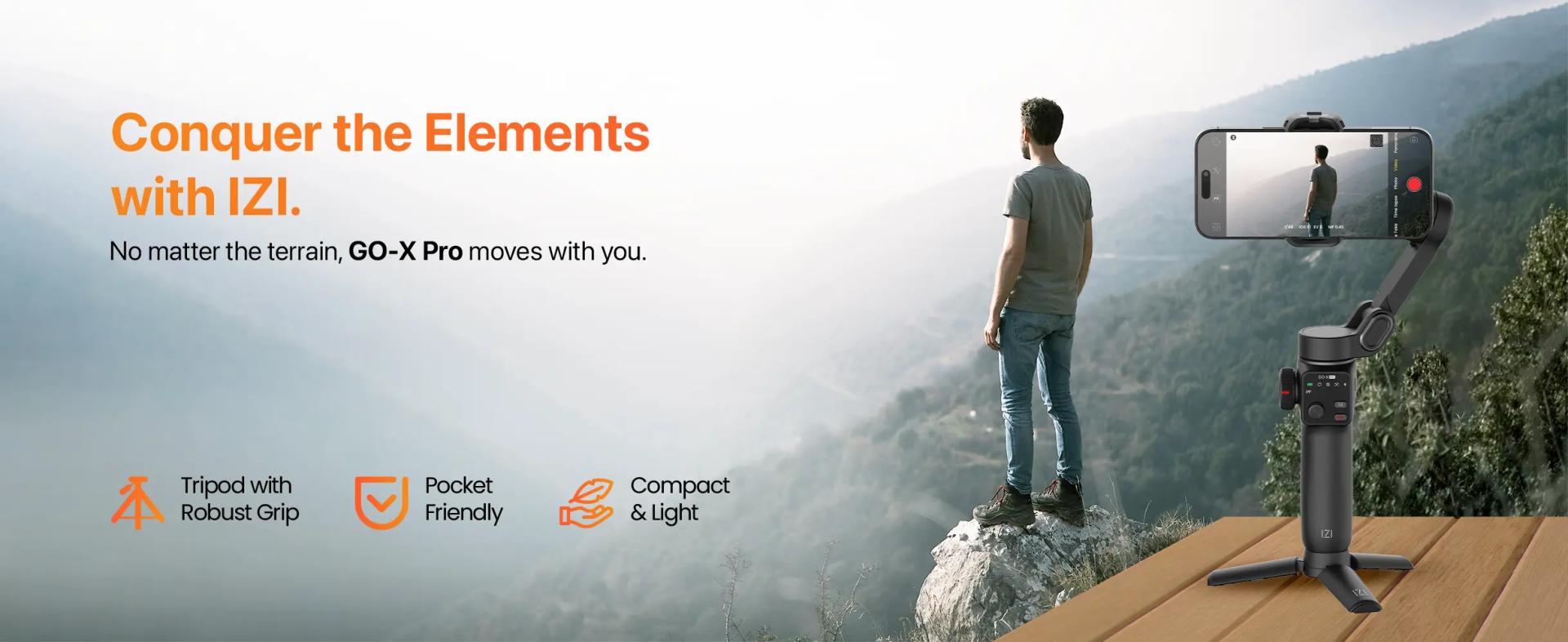

You’re hiking up a foggy hillside just as the sun slices through the morning mist. You pause, breathless—not just from the climb, but the view. A rush of excitement compels you to capture the moment. Out comes your phone, and with one swipe, you’re recording.
But later, when you rewatch the clip, the scene doesn’t land quite right. The majesty has been blurred by the bounce of your hurried breath and shaky hands.
That’s when you start wondering: Would a gimbal have made the difference?
If you're someone who loves to travel, explore the wild, or simply document life’s raw moments, understanding the difference between phone gimbal and handheld shooting can elevate your storytelling from casual clips to unforgettable cinematic experiences.
The Raw Realness of Handheld Shooting
Handheld shooting is the most natural, intuitive way to film. It’s spontaneous, convenient, and often the only option when you need to react in a flash—like when a wild deer darts across your hiking path or your friend unexpectedly nails a backflip off a cliff.
But that rawness comes with a price: instability.
Even the steadiest hands can’t compete with unpredictable terrain, windy peaks, or the adrenaline of the moment. While modern phones offer built-in stabilization, they can’t always correct shaky movements without cropping your frame or distorting motion.
So yes, handheld can feel organic, but it often lacks the polish your memory truly deserves.
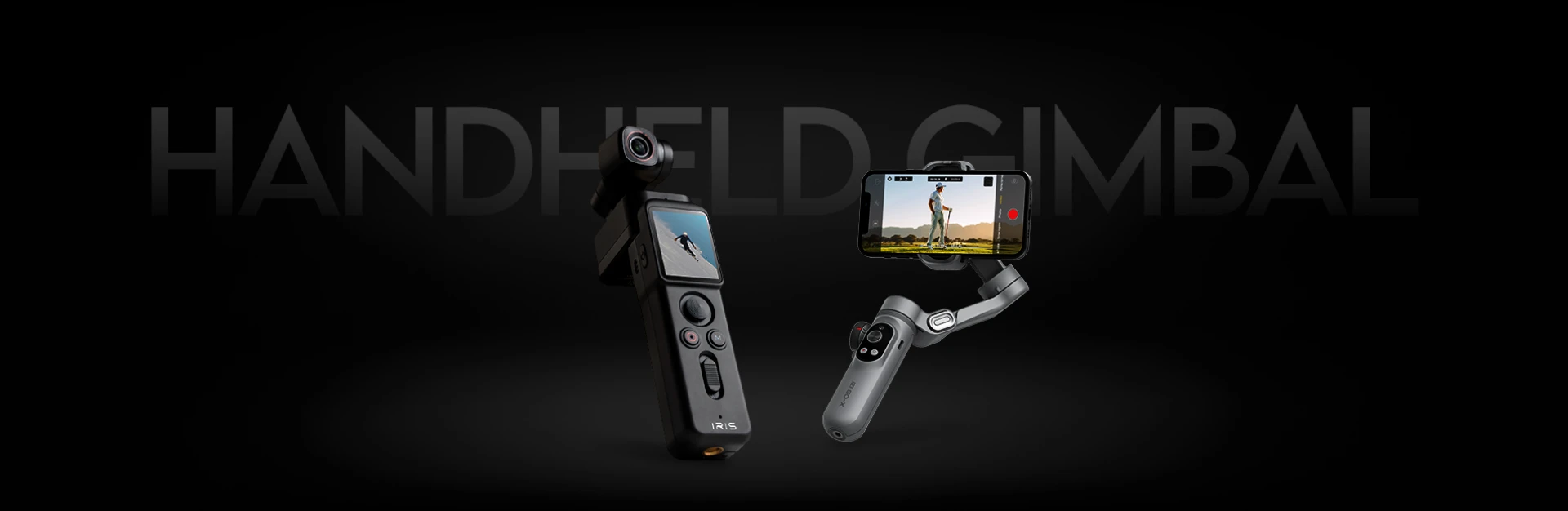
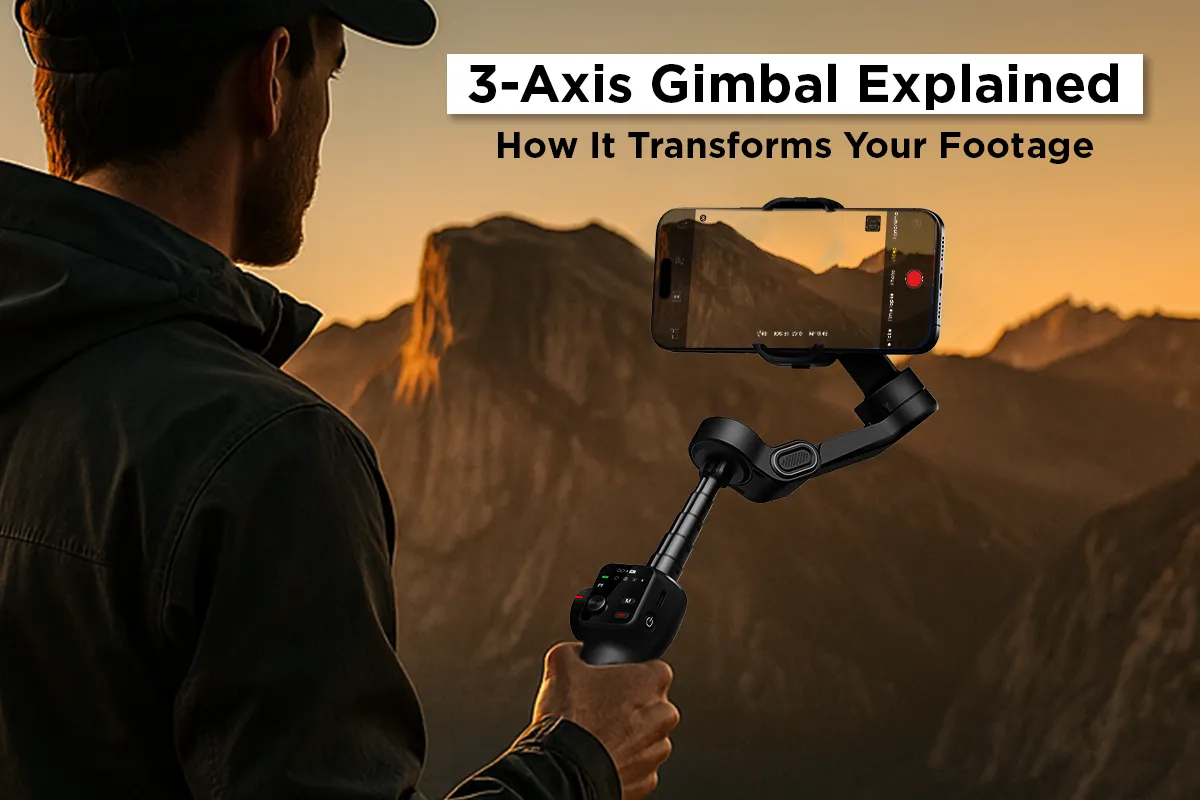
Enter the Phone Gimbal: Your Secret Weapon for Smooth Storytelling
A phone gimbal is more than just a piece of gear—it’s your travel companion, your adventure assistant, your visual stabilizer when the road gets bumpy (literally).
Using built-in motors and sensors, a gimbal keeps your phone balanced, no matter how much your body sways or your feet stumble. Whether you're walking along a coastal path, jogging through a forest trail, or riding in a rickety tuk-tuk in Thailand, your footage stays steady—like it was shot by a seasoned cinematographer.
This stability doesn’t just make your videos look better. It makes them feel better. Viewers can soak in the view, follow the movement, and connect with the moment—without getting distracted by jolts and shakes.
Creative Freedom with Every Step
Phone gimbals also unlock creative shooting modes that handheld just can’t compete with:
- Tracking Shots: Lock onto a subject while you move—perfect for solo travelers filming themselves walking through a bazaar or along a mountain pass.
- Time-lapse & Hyper-lapse: Create magical speed-run journeys of your road trips or sunrises.
- Crane and Orbit Shots: Capture sweeping, dramatic arcs that rival drone footage.
The best part? Many gimbals are compact, foldable, and lightweight—built for the very adventures you crave.
Which Should You Choose?
Truthfully, there’s a place for both.
Use a handheld when spontaneity is key—quick captures, fleeting moments, and minimal gear.
Use a gimbal when the journey matters as much as the destination—when you want to tell stories that linger, not just live in your camera roll.
If you're serious about travel vlogging, Instagram reels, or simply documenting your adventures in a way that does them justice, a gimbal is more than a luxury—it’s a game-changer.
The Takeaway
Your adventures are worth more than shaky footage. Whether it’s dancing with strangers at a street festival or hiking to forgotten waterfalls, how you capture those memories matters.
So next time you pack for a journey, ask yourself: Do I want to relive this moment—or truly feel it again?
Because with a gimbal in your bag, you're not just filming. You’re filmmaking.






















Sign in to leave a comment.