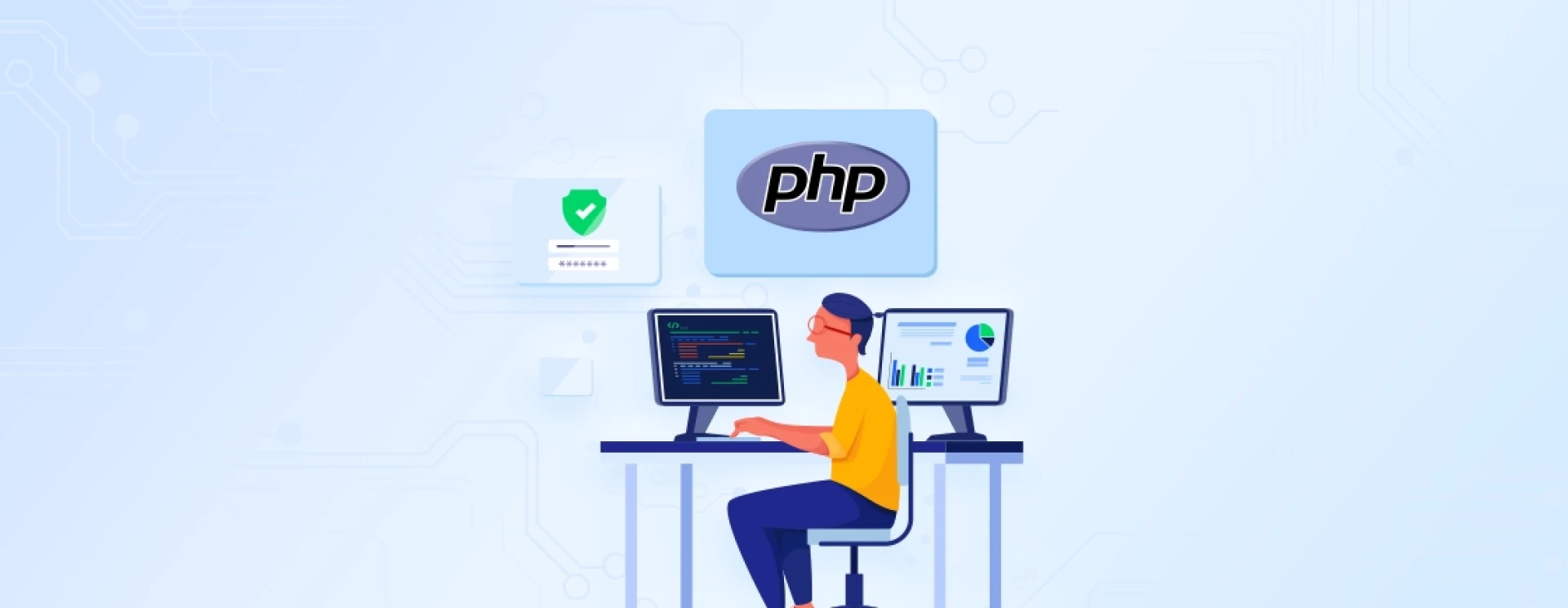

As we delve deeper into the digital age, the need for robust security measures in web development becomes increasingly crucial. With hackers becoming increasingly sophisticated in their techniques, developers must stay one step ahead.
This article will explore the best practices for PHP security in 2023 to help you protect your web applications and ensure the safety of your users' data.
Keep your PHP version up to date:As an open-source language, PHP has a vibrant community of developers constantly working to improve its security features. Always use the latest stable version of PHP, which will have the most up-to-date security patches. Regularly check for updates and ensure you are running the most secure version of PHP possible.
Input filtering and validation:A common vulnerability in web applications is the acceptance of untrusted user inputs. Ensure all user inputs are thoroughly validated and filtered to prevent security breaches. Use functions such as filter_input() and filter_var() to sanitize user inputs and remove potentially malicious code. By validating user inputs, you can significantly reduce the risk of SQL injections, cross-site scripting (XSS) attacks, and other common security threats.
Protect against session hijacking:Sessions are widely used to maintain user logins and keep track of user activity. However, sessions can be vulnerable to hijacking if not properly secured. To prevent session hijacking, use secure session handling mechanisms, such as session_regenerate_id() and session_set_cookie_params(), to generate unique session IDs and set appropriate cookie parameters. Additionally, consider implementing session timeouts to invalidate sessions after a period of inactivity automatically.
Implement secure authentication:User authentication is a fundamental aspect of web application security. Always store user passwords using strong hashing algorithms, such as bcrypt or Argon2, to ensure secure authentication. Salt and hash passwords to protect against brute-force attacks and use multi-factor authentication methods whenever possible. Implementing secure authentication practices will help protect your users' accounts from unauthorized access.
Protect against cross-site scripting (XSS) attacks:Cross-site scripting (XSS) attacks continue to be a prevalent security concern. Safeguard your web applications using input validation, output encoding, and sanitization techniques. Be aware of the different XSS attacks, including reflected, stored, and DOM-based XSS, and mitigate these risks by using appropriate security measures, such as Content Security Policy (CSP) headers and input filtering.
Encrypt sensitive data:Encryption is a critical security measure for sensitive data, such as passwords, personal information, or financial details. Utilize strong encryption algorithms, such as AES or RSA, to securely store sensitive data in databases or when transmitting it over insecure networks. Encrypting data ensures that the information remains unreadable and unusable even if an attacker gains unauthorized access.
Regularly monitor and log activities:Implement a robust logging mechanism to keep track of user activities and detect potential security breaches. Monitor log files regularly to identify suspicious behaviors, such as multiple unsuccessful login attempts or unusual user activity patterns. By having a comprehensive logging system in place, you can respond promptly to security incidents and investigate potential vulnerabilities.
In conclusion, PHP security best practices in 2023 are crucial for safeguarding your web applications and protecting your users' sensitive information. By keeping your PHP version up to date, implementing input validation, protecting against session hijacking, ensuring secure authentication, mitigating cross-site scripting attacks, encrypting sensitive data, and monitoring activities, you can significantly reduce the risk of security breaches. Stay vigilant, stay informed, and invest in robust security practices to keep your web applications safe in the ever-evolving digital landscape.






























Sign in to leave a comment.