
Menopause and peri-menopause are significant phases in a woman's life, signaling the transition from reproductive years to a new chapter of hormonal and physical changes. These transitions, while natural, often bring about a range of symptoms and challenges that can impact overall health and well-being. Fortunately, engaging in regular physical activities can be a potent strategy to navigate these phases successfully. In this article, will explore various exercises that can provide essential support during menopause and peri-menopause.
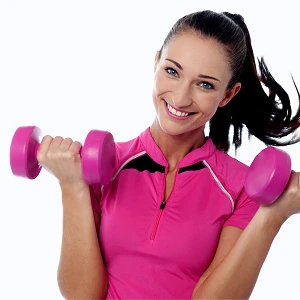
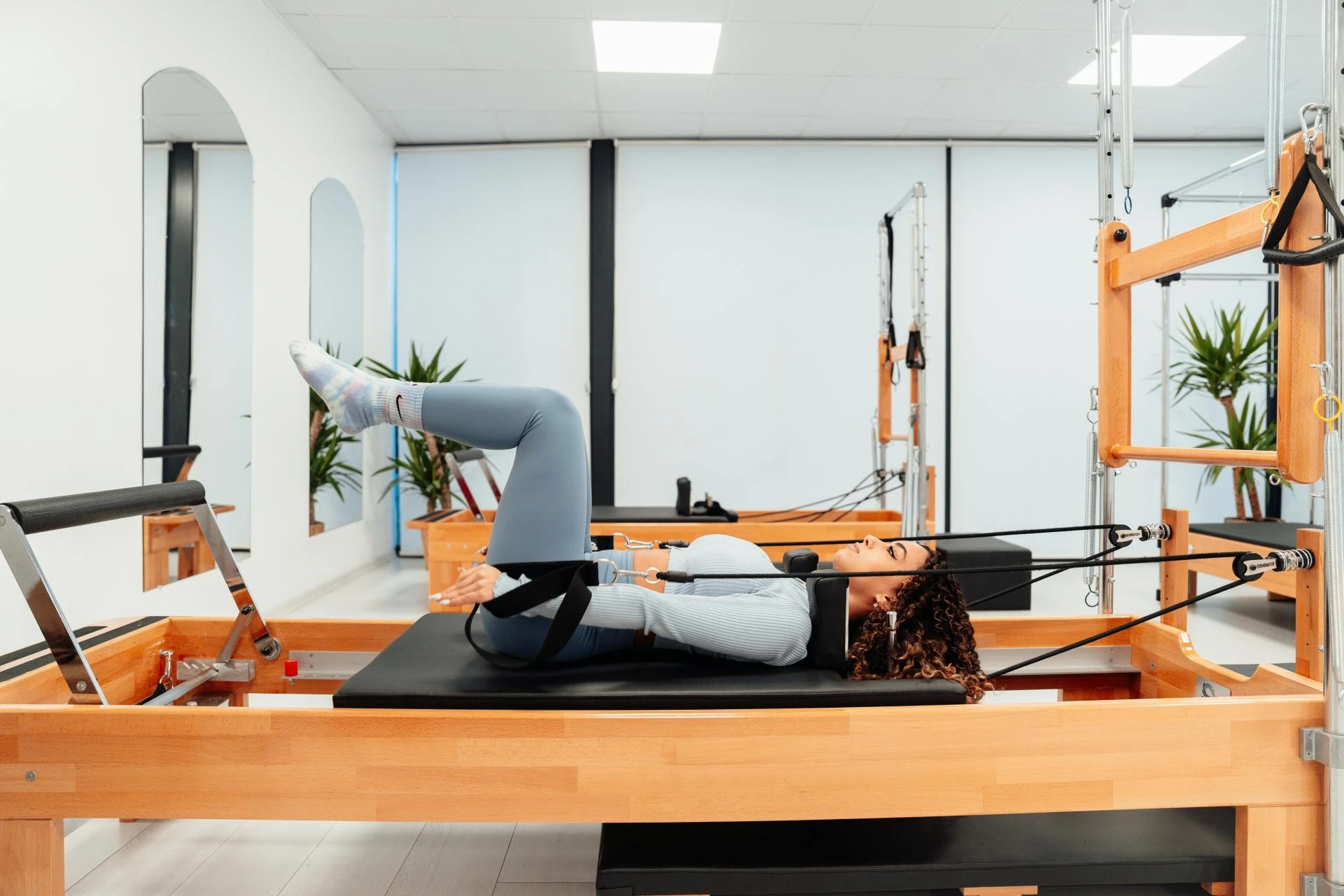
Understanding Menopause and Peri-Menopause: Menopause typically occurs between the ages of 45 and 55 and signifies the end of menstruation due to hormonal shifts, primarily a decline in estrogen and progesterone production. Peri-menopause, on the other hand, refers to the years leading up to menopause and is marked by irregular menstrual cycles and various symptoms. The Role of Physical Activities: Regular physical activities can play a pivotal role in alleviating many of these symptoms and promoting overall health and well-being during menopause and peri-menopause by online personal trainers. Cardiovascular Exercise: Engaging in cardiovascular workouts like brisk walking, jogging, cycling, or swimming can help improve heart health and manage weight. These activities also promote better blood circulation, which can reduce the frequency and severity of hot flashes. Strength Training: Strength training exercises, such as weight lifting or bodyweight exercises, are essential for preserving and building lean muscle mass. This is particularly crucial during menopause, as muscle helps boost metabolism and supports effective weight management. Yoga: Yoga offers multiple benefits during menopause and peri-menopause. It can help reduce stress, improve mood, enhance flexibility, and promote relaxation. Specific yoga poses can target and alleviate symptoms like hot flashes and mood swings. Pilates: Pilates focuses on core strength, flexibility, and balance. It can help tone muscles, improve posture, and enhance overall body awareness. These benefits are particularly relevant during menopause when changes in bone density and muscle mass occur. High-Intensity Interval Training (HIIT): HIIT workouts involve short bursts of intense activity followed by brief periods of rest or lower-intensity exercise. HIIT is effective for burning calories, improving cardiovascular fitness, and boosting metabolism, all of which can aid in weight management. Tai Chi: Tai Chi is a gentle, low-impact exercise that promotes balance, coordination, and relaxation. It can be especially useful for managing stress and improving mood during menopause and peri-menopause. Flexibility and Stretching: Regular stretching exercises can improve flexibility and joint mobility, reducing the risk of injury and enhancing overall comfort. Incorporate stretches into your fitness routine to maintain flexibility and reduce muscle tension. Balance and Stability Exercises: As women age, the risk of falls and fractures increases due to changes in bone density and muscle mass. Balance and stability exercises, such as standing on one leg or using stability balls, can help improve balance and reduce the risk of falls.Conclusion
Exercise is a critical component of maintaining health and vitality during menopause and peri-menopause. Whether it's cardiovascular workouts to improve heart health, strength training to preserve muscle mass and boost metabolism, or mind-body practices like yoga and Tai Chi to manage stress and mood, there are numerous exercise options available.
It's essential to consult with a healthcare professional or fitness trainer menopause before starting a new exercise routine, especially if you have any underlying health conditions. By incorporating a combination of these exercises into your daily or weekly regimen, you can effectively manage the symptoms of menopause and peri-menopause, promote hormonal balance, and enjoy a healthier and more vibrant life during this transformative phase.

























Sign in to leave a comment.