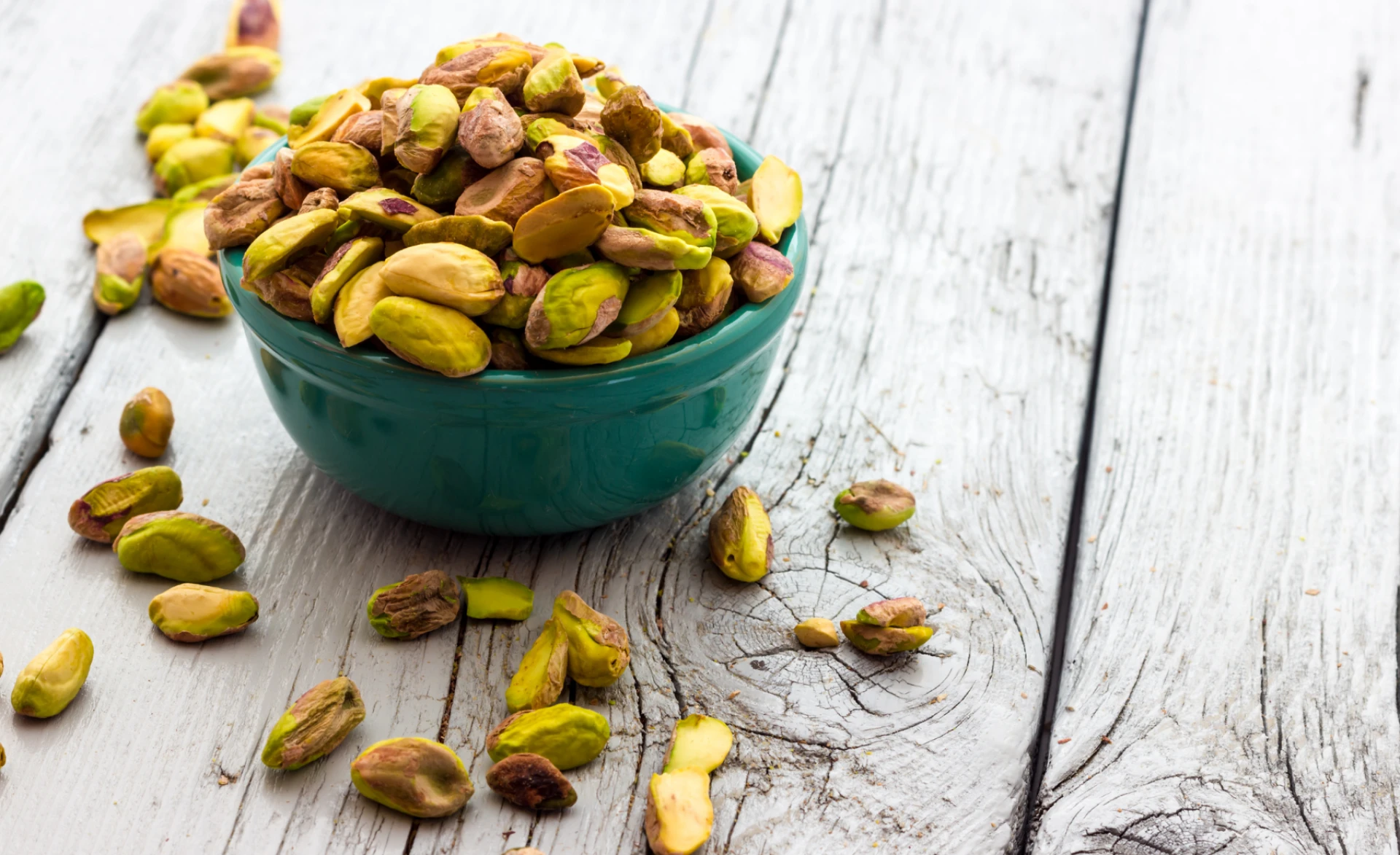

Pistachios—often referred to as the “smiling nut” due to their distinctive open shells—have been a beloved snack for centuries. From their humble origins in the Middle East to their worldwide popularity today, pistachios are not just a delicious treat, but also a powerhouse of health benefits. But what exactly makes these small, green nuts so remarkable?
Expert Market Research Insight: A Growing Trend
According to Expert Market Research, pistachios are increasingly being recognized not just for their delicious taste but also for their health benefits. As consumers become more health-conscious and seek out nutrient-dense snacks, the demand for pistachios is soaring. The rise of plant-based diets, snacking trends, and awareness of heart-healthy fats are driving more people toward nuts like pistachios as a key ingredient in their diets.
Expert Market Research further emphasizes that the global demand for pistachios is being fueled by an expanding market for organic and sustainably grown nuts. The growing interest in plant-based protein sources is also making pistachios an attractive choice for people looking to reduce meat consumption while maintaining adequate protein intake.
The Origin Story of Pistachios
Pistachios (Pistacia vera) are native to the arid regions of the Middle East, with cultivation dating back over 9,000 years. From Iran to Syria, pistachio trees flourished in ancient civilizations, symbolizing prosperity and longevity. Today, the nuts are grown in several parts of the world, with significant production in countries like the United States, Iran, and Turkey.
These nuts are not only known for their unique, rich flavor but also for their vibrant green color and easy-to-crack shells. They have become an integral part of cuisines around the globe, making appearances in everything from Mediterranean dishes to ice creams and even savory sauces.
Nutritional Value: The Gift of Pistachios
Pistachios are not just a treat for the taste buds—they are also packed with essential nutrients that promote good health. They are an excellent source of protein, fiber, healthy fats, and antioxidants. Rich in vitamins like B6, which supports immune function and the production of red blood cells, pistachios also contain potassium, magnesium, and iron, making them a valuable addition to a balanced diet.
One of the standout features of pistachios is their high content of monounsaturated fats, the same type of heart-healthy fat found in olive oil. These healthy fats help lower bad cholesterol levels, reduce the risk of heart disease, and support overall cardiovascular health. Additionally, pistachios contain a range of antioxidants, including lutein and zeaxanthin, which are beneficial for eye health.
Health Benefits: More Than Just a Snack
Weight Management Support
Pistachios are often considered a weight-friendly snack due to their high protein and fiber content. Both of these nutrients contribute to feelings of fullness and satiety, helping to curb cravings and prevent overeating. In addition, pistachios are calorie-dense, meaning you don’t need to eat a large portion to feel satisfied. Studies suggest that incorporating pistachios into your diet can help manage body weight when consumed in moderation.
Heart Health
Consuming pistachios regularly may benefit your heart health by improving cholesterol levels. The nuts are known to help lower LDL cholesterol (bad cholesterol) and raise HDL cholesterol (good cholesterol), both of which are important for reducing cardiovascular disease risks. Their high antioxidant content also helps reduce oxidative stress, another contributor to heart disease.
Gut Health
Pistachios have a unique composition that promotes digestive health. Their fiber content supports regular bowel movements, while prebiotic fibers serve as food for the beneficial bacteria in your gut. A healthy gut microbiome is essential for overall well-being, contributing to better immunity, reduced inflammation, and improved nutrient absorption.
Culinary Uses: Beyond the Snack Bowl
Pistachios are incredibly versatile in the kitchen. While most people are familiar with them as a snack or sprinkled over desserts, these little nuts have a wide range of culinary applications. In Middle Eastern and Mediterranean cuisines, pistachios are often used in savory dishes, such as pistachio-crusted lamb, or incorporated into pilafs and salads for added texture and flavor.
Pistachios also feature prominently in desserts, especially in ice creams, cakes, and pastries. Their delicate, nutty flavor pairs well with chocolate, fruits, and spices, making them a popular ingredient in confections and sweet treats.
In addition, pistachio oil is highly regarded for its delicate flavor and is used as a dressing for salads, drizzled over vegetables, or as a base for marinades. The oil retains many of the same health benefits as the nuts themselves, making it a nutritious addition to any meal.
Environmental Benefits: A Sustainable Crop
Pistachio trees thrive in arid climates, which makes them well-suited for regions with limited water resources. Unlike many other crops that require significant water input, pistachios have a relatively low water footprint. This makes them an environmentally friendly option for sustainable agriculture, especially as global concerns about water scarcity and environmental sustainability continue to rise.
The hardy nature of pistachio trees means they are also resilient to climate change. They are able to withstand hot, dry conditions, making them an excellent choice for areas facing unpredictable weather patterns.


























Sign in to leave a comment.