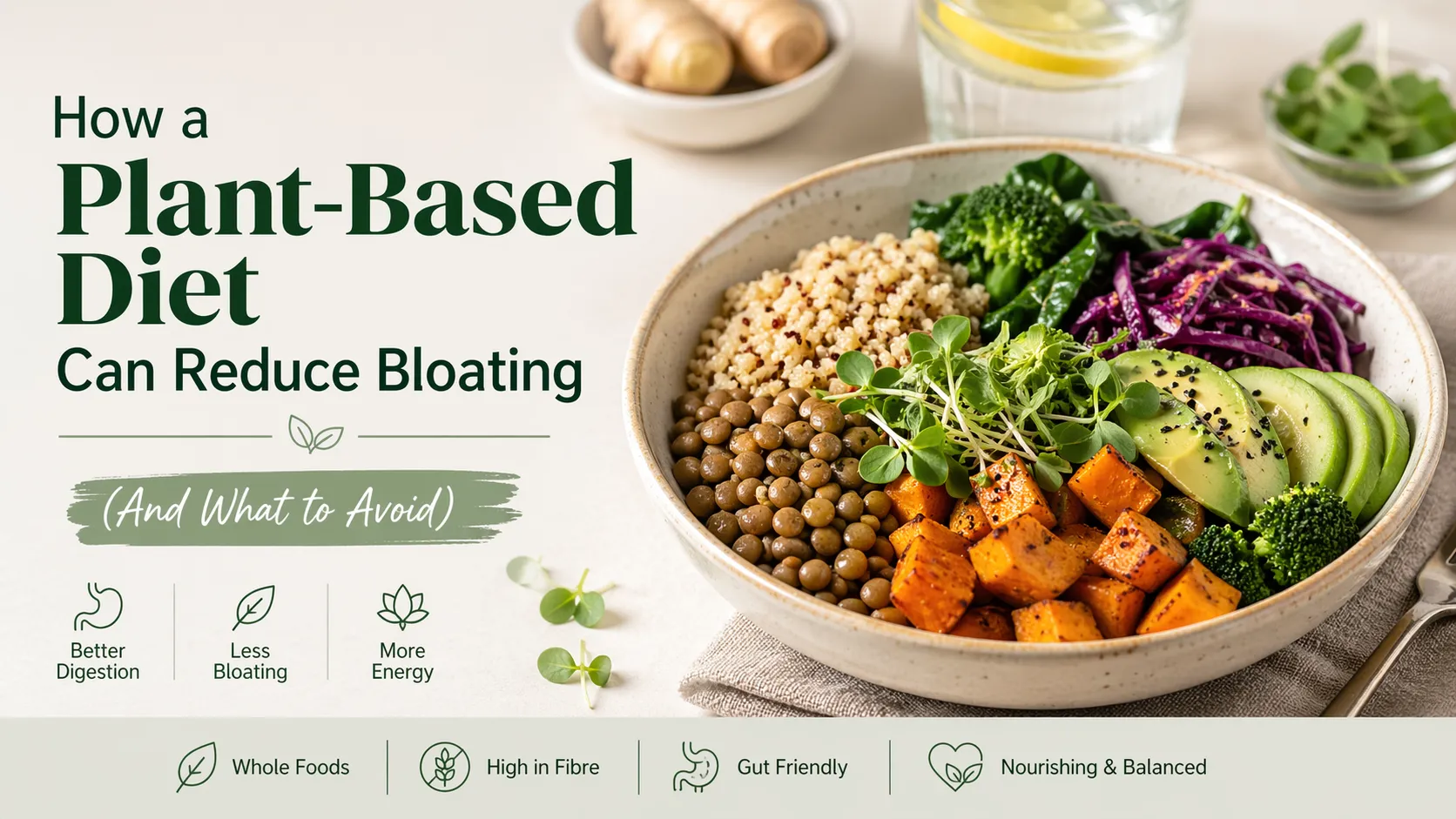

Bloating is something most people deal with at some point.
That uncomfortable, heavy feeling after eating, tight stomach, sluggish energy, it can make even a normal day feel off. And for a lot of Aussies, it’s become pretty common, especially with busy routines and inconsistent eating habits.
The good news?
👉 What you eat can make a real difference.
A well-balanced plant-based diet has been shown to support digestion, reduce bloating, and help your gut feel more settled overall. But like anything, it’s not just about going plant-based it’s about how you do it.
Let’s break it down in a way that actually makes sense for real life.
Why Bloating Happens in the First Place
Before fixing it, it helps to understand what’s going on.
Bloating is often linked to:
- Poor digestion
- Gas build-up in the gut
- Eating too quickly
- Highly processed foods
- Low fibre (or sudden increase in fibre)
For many people, a diet heavy in:
- Processed takeaway
- Refined carbs
- High-fat, low-fibre foods
can slow digestion and lead to that uncomfortable “full but not satisfied” feeling.
How a Plant-Based Diet Can Help
A plant-based approach focuses on foods your body tends to process more efficiently — especially when done properly.
1. More Fibre (In a Good Way)
Plant foods are naturally high in fibre, which:
- Supports regular digestion
- Helps move food through your system
- Feeds beneficial gut bacteria
Over time, this can lead to:
👉 Less bloating
👉 More regular digestion
👉 A lighter, more comfortable feeling after meals
That said, balance matters (we’ll get to that shortly).
2. Less Heavy, Hard-to-Digest Foods
Meals centred around plants are often:
- Lower in saturated fats
- Easier for your body to break down
Compared to heavy, meat-based or highly processed meals, this can reduce that sluggish, overly full feeling.
3. Better Gut Health
Your gut is home to trillions of bacteria that play a role in digestion.
Plant-based foods — especially:
- Vegetables
- Legumes
- Whole grains
help support a more balanced gut microbiome.
And when your gut is happy, bloating tends to decrease.
4. More Consistent Eating Habits
Having access to simple, nourishing meals makes it easier to eat regularly.
For many people, using a plant based meal delivery can help remove the guesswork — making it easier to stay consistent without overthinking every meal.
And consistency is key when it comes to digestion.
What to Avoid (This Is Where People Go Wrong)
Going plant-based doesn’t automatically mean your bloating will disappear.
In fact, some people feel more bloated at first — usually because of these common mistakes:
1. Jumping Into Too Much Fibre Too Quickly
If your current diet is low in fibre, suddenly loading up on:
- Beans
- Lentils
- Raw vegetables
can overwhelm your digestive system.
👉 Tip:
Ease into it gradually and drink plenty of water.
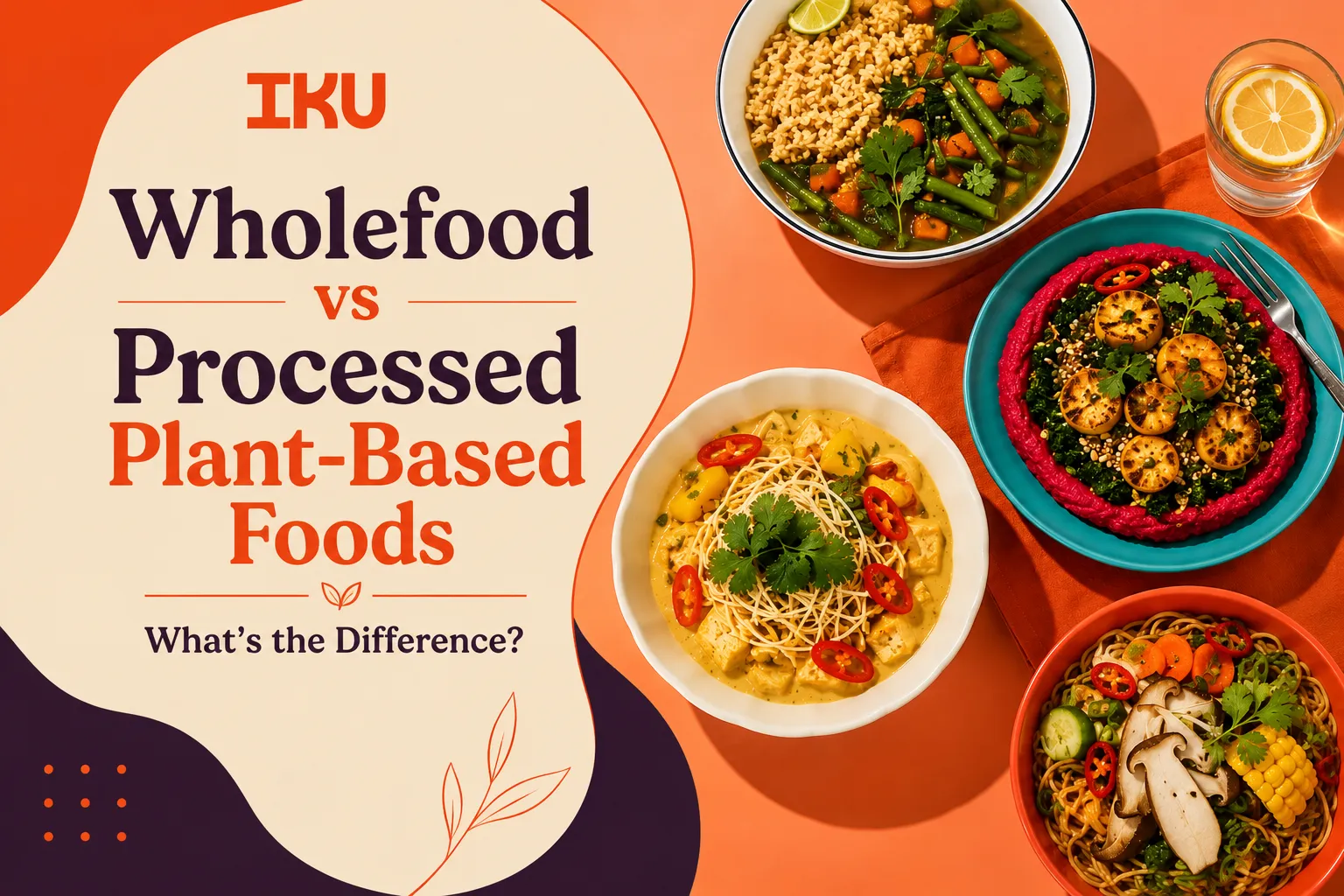
2. Relying on Processed Vegan Foods
Not all plant-based foods are gut-friendly.
Highly processed options (like some meat substitutes) can:
- Contain additives
- Be harder to digest
- Cause gas and bloating
👉 Focus on simple, whole-food meals instead.
3. Eating Too Many Raw Foods
Raw veggies are healthy, but they can be harder to digest for some people.
👉 Lightly cooked vegetables are often easier on the gut.
4. Overeating “Healthy” Foods
Even healthy foods can cause bloating if eaten in large amounts.
Balance and portion size still matter.
5. Ignoring Food Sensitivities
Some plant foods (like onions, garlic, or certain legumes) can trigger bloating in sensitive individuals.
👉 Pay attention to what works for your body.
What to Eat Instead (Gut-Friendly Choices)
If your goal is to reduce bloating, focus on meals that feel gentle and balanced.
✔ Easy-to-Digest Plant Foods
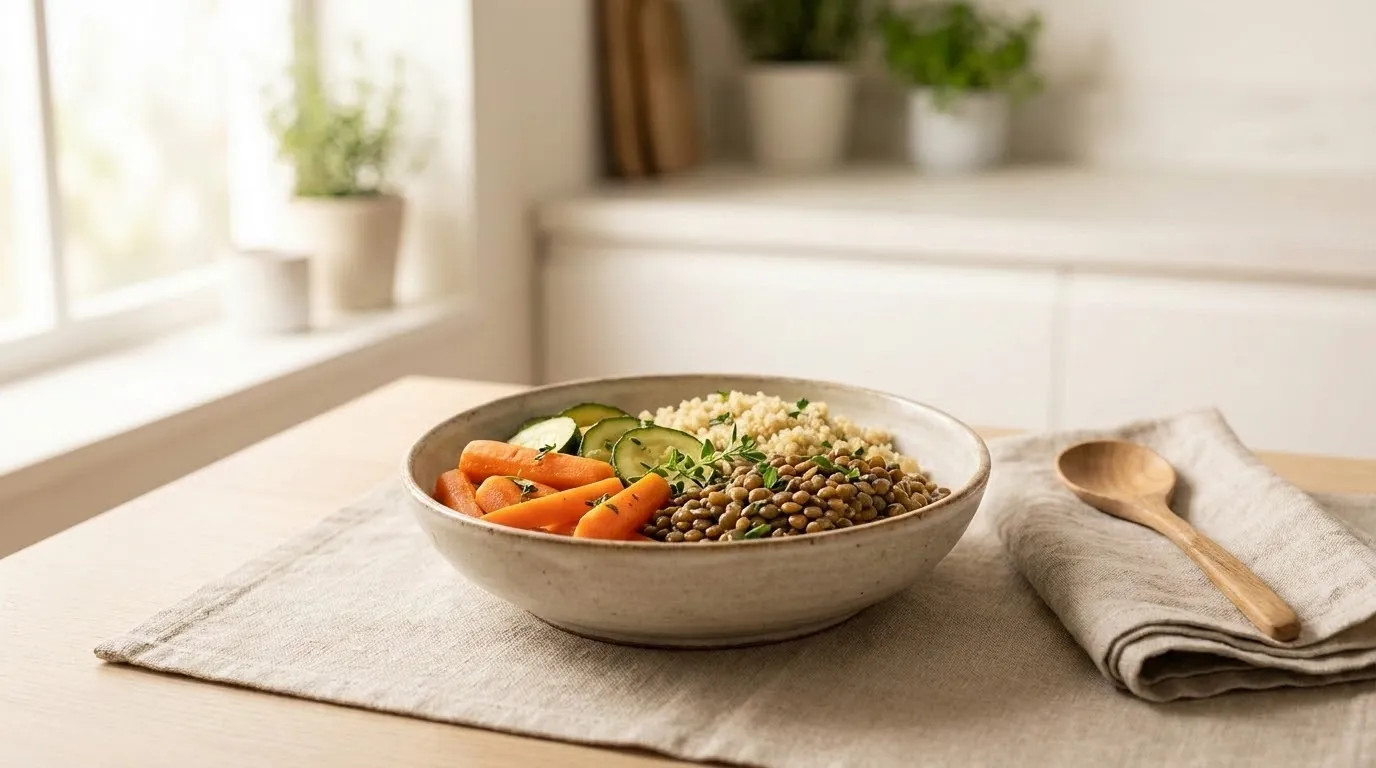
- Cooked vegetables (carrots, zucchini, pumpkin)
- Rice and oats
- Lentils (in moderate amounts)
- Tofu and tempeh
✔ Gut-Friendly Additions
- Ginger
- Turmeric
- Herbal teas
These can support digestion and reduce discomfort.
✔ Balanced Meals
Aim for meals that include:
- Fibre
- Protein
- Healthy carbs
This helps prevent overeating and keeps digestion steady.
A More Practical Way to Eat
Let’s be real not everyone has time to plan, prep, and cook perfectly balanced meals every day.
That’s where a customized meal delivery service can actually make things easier.
Instead of guessing what to eat, you can:
- Choose meals that suit your digestion
- Avoid ingredients that don’t work for you
- Stay consistent without extra effort
It’s not about being perfect — it’s about making things simpler so your body can feel better.
Why This Matters More Than Ever
In Australia, a lot of people are dealing with:
- Busy schedules
- Irregular eating habits
- Heavy reliance on takeaway
All of which can contribute to digestive issues.
Shifting towards:
👉 simple, plant-based meals
👉 consistent eating patterns
can make a noticeable difference — not just in digestion, but in overall energy and wellbeing.
So… Does It Actually Work?
For many people, yes.
A plant-based diet can help reduce bloating when it:
- Focuses on whole, simple foods
- Is introduced gradually
- Matches your individual needs
It’s not about cutting everything out or following strict rules.
It’s about finding a way of eating that feels:
- Comfortable
- Sustainable
- Easy to stick with
Final Thought
Bloating isn’t just about one meal — it’s about patterns over time.
Small changes, like:
- Eating more whole foods
- Reducing processed options
- Staying consistent
can add up quickly.
And often, it starts with something simple:
👉 having better food ready when you need it.
FAQs
1. Can a plant-based diet reduce bloating?
Yes, especially when it focuses on whole, fibre-rich foods and avoids highly processed options.
2. Why do I feel more bloated after eating vegetables?
It’s often due to a sudden increase in fibre. Gradually increasing intake can help.
3. Are plant-based meal deliveries good for digestion?
They can be, particularly when meals are balanced and made with simple ingredients.
4. What foods should I avoid if I’m bloated?
Highly processed foods, excessive salt, and large portions of hard-to-digest ingredients.
5. How long does it take to see improvement?
It varies, but many people notice changes within a few weeks of consistent eating.

























Sign in to leave a comment.