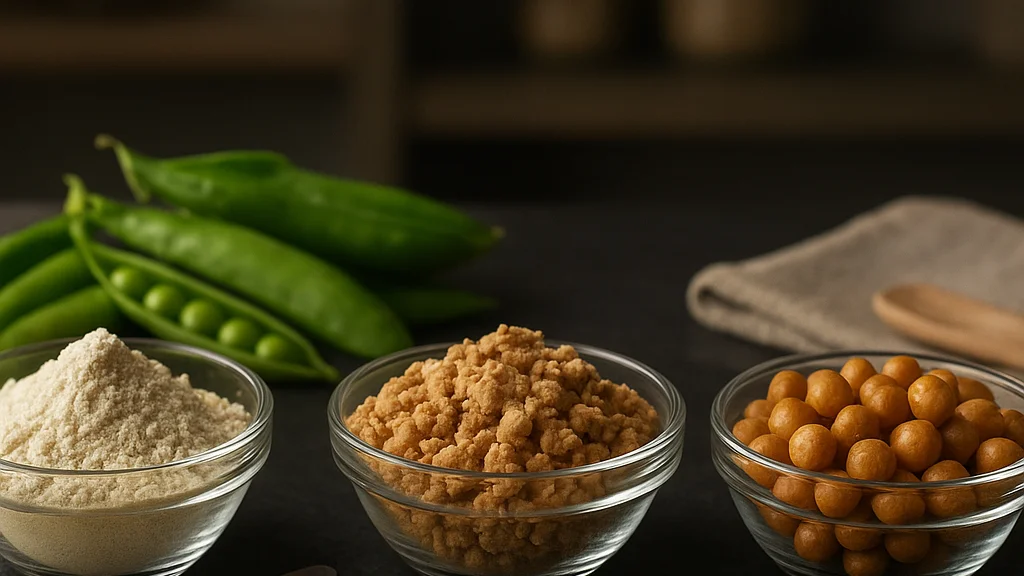

A crowded shelf, a quieter question
Stand in front of refrigerated drinks or frozen burgers long enough, and the old certainty begins to blur. Oat, pea, soy, fava, mycoprotein, chickpea isolate, fermented blends, protein milks with labels that read like chemistry and farm poetry at same time. The package shouts strength, clean fuel, complete amino acids, lower impact, better future. Yet the real question is smaller, more intimate, almost like looking through a rainy train window and trying to decide which lights belong to home: which plant-based protein alternatives actually perform well, nutritionally, culinarily, and economically?
The answer in 2026 is more complicated than the first wave of enthusiasm suggested. Plant-based protein alternatives are no longer novelty products standing under bright startup halos. They are a mature, contested category, one that now lives under harsher supermarket lighting. Consumers want protein density, cleaner labels, lower prices, fewer additives, and textures that do not collapse in a pan. According to The Guardian’s reporting on the protein boom and pressure on plant-based alternatives, dairy has regained some momentum as protein messaging reshapes buying habits. That matters, because plant-based products are no longer competing only with meat ethics or lactose concerns, they are competing with a broader protein obsession.
Still, writing off the category would be lazy. Functional ingredients have improved, formulation science has become sharper, and the best products now target specific use cases instead of trying to imitate everything for everyone. A pea-and-rice blend for shakes is not the same editorial story as a soy burger, or a fermented mycoprotein cutlet, or a chickpea pasta built for weeknight cooking. Readers who want a market snapshot can compare this piece with this related WriteUpCafe review of plant-based protein trends, science, and market leaders, but the deeper task here is evaluation: taste, amino acid quality, processing, digestibility, price, and where the category is moving after the hype cooled.
Plant protein is no longer a single aisle trend. It is a set of distinct technologies, each with different strengths, weaknesses, and honest use cases.
That distinction, actually, is where smart buying begins.
How the category grew up, and why the mood changed
Ten years ago, much of the commercial energy in plant protein centered on mimicry. Make a burger bleed, make a nugget pull apart, make a milk foam. Venture money loved that theater, and consumers, curious and hopeful, gave it attention. By the early 2020s, brands such as Beyond Meat and Impossible Foods had become shorthand for a wider movement. Ingredient giants like ADM, Kerry, Ingredion, and Axiom Foods expanded protein portfolios, while retailers carved out more freezer and refrigerated space. The story felt almost cinematic, all neon promise and velocity.
Then reality arrived in layers. Inflation changed shopping baskets. Repeated household purchases depended less on curiosity and more on value. Many consumers found some early products too expensive, too salty, too processed, or simply less satisfying than expected. Reuters and other business outlets spent much of the past few years documenting slower sales growth in parts of the meat-alternative market. At the same time, sports nutrition and high-protein snacking expanded fast, and that favored products with very clear numbers on the front of pack. A carton of dairy milk or a tub of whey isolate could communicate protein in a blunt, easy way. Some plant-based milks, by contrast, delivered very little protein unless they were fortified or built from soy or pea.
That shift is captured well in FoodNavigator’s analysis of plant protein trends, which argued that functionality is growing even as some meat-alternative excitement fades. This is one of the most important changes in 2026. The category is becoming less about spectacle and more about application. Protein ingredients are moving into bakery, pasta, dairy alternatives, clinical nutrition, school meals, and hybrid products. The market is not disappearing, it is redistributing itself.
Industry market research, including a Yahoo Finance summary of a 2026 protein alternatives market report, continues to forecast growth through 2031, with large ingredient companies and branded players still investing. Forecasts should always be treated carefully, because they often assume smooth adoption curves that real shoppers rarely provide. But they do signal something useful: capital still sees room in plant protein, especially where texture, cost, and nutritional quality improve.
- Phase one: imitation and novelty drove trial.
- Phase two: inflation, scrutiny, and repeat-purchase economics separated winners from weak products.
- Phase three: functionality, targeted nutrition, and better formulation now shape the category.
So the mood changed, yes, but not into collapse. More like a jazz tune after midnight, less brass, more structure.
Protein quality, satiety, and the nutrition test
If the review begins anywhere serious, it begins with amino acids. Protein is not only a number in grams. Human bodies need essential amino acids in adequate proportions, and digestibility matters. Soy remains one of the strongest plant proteins in this respect, with a long research history and a protein quality profile that compares relatively well with animal proteins. Pea protein has become a commercial darling because it is allergen-friendly for many consumers, neutral enough for blending, and versatile across powders, milks, and meat analogues. But pea alone may be lower in methionine, which is why many sports nutrition formulas pair it with rice protein. Rice can complement pea’s amino acid pattern, though rice protein may bring texture and flavor challenges.
Muscle-building claims deserve precision. The broad scientific consensus has not changed: plant protein can support muscle growth, especially when total daily protein intake is sufficient and amino acid composition is considered. The practical issue is dose and formulation. Some plant proteins may require slightly larger servings, or thoughtful blending, to match the leucine delivery often associated with whey. That is why products marketed to athletes now frequently emphasize complete blends instead of single-source proteins. NDTV 24x7’s report on MSN, discussing the pros and cons of plant protein for muscle building, reflects this balanced position rather than a simplistic yes-or-no frame.
Satiety is another under-discussed factor. A burger with 18 to 20 grams of protein may still leave a consumer unsatisfied if texture, fat composition, sodium, and fiber balance are off. Likewise, a high-protein plant milk matters only if it works in coffee, cereal, and cooking without splitting or tasting chalky. The best alternatives are not merely “healthy enough.” They are usable, repeatable, and sensorially coherent.
Health halo also deserves skepticism. A product made from plants can still be highly processed, sodium-heavy, and built around isolates, gums, and flavor systems. That does not make it automatically bad, but it does mean the category should be judged product by product. Medscape’s discussion of whether processed plant-based proteins are heart-healthy captures this tension. The more useful consumer question is not “processed or not?” in the abstract, but rather: what is the ingredient list, what is the sodium level, how much saturated fat is included, how much protein do I get per serving, and what role does this food play in the larger diet?
A plant-based label is not a nutritional verdict. Protein quality, sodium, saturated fat, fiber, and portion size decide whether a product deserves a regular place in the kitchen.
- Best for protein quality: soy isolate, soy foods like tofu and tempeh, well-formulated pea-rice blends.
- Best for whole-food context: tofu, tempeh, edamame, lentils, beans, chickpeas.
- Best for convenience: blended protein powders, fortified soy or pea milks, ready-to-cook strips and patties.
- Most variable: ultra-processed meat analogues, where sodium and fat can vary sharply by brand.
Actually, the strongest review conclusion is boring in the best way: whole-food plant proteins and minimally processed staples still outperform many flashy alternatives on value and nutritional steadiness, while newer formulated products are most useful when they solve a specific problem.
What tastes good, what cooks well, what fails in the pan
Texture is where categories live or die. Consumers forgive many things once, almost nothing twice. Soy remains the workhorse because it can be extruded, pressed, fermented, curdled, whipped, and flavored with unusual flexibility. Tofu is still one of the best values in the entire protein conversation, not because it mimics meat perfectly, but because it absorbs marinades, crisps well, and moves between breakfast scrambles, noodle soups, and desserts with a kind of quiet confidence. Tempeh, with its nuttier bitterness and firmer bite, asks more from the cook but gives back depth that highly engineered patties often miss.
Pea protein performs well in powders and increasingly well in milks, yogurts, and savory applications, yet it can still carry earthy notes if formulation is weak. In burgers and sausages, pea-based systems have improved, but they often need oil structuring, methylcellulose or other binders, and aggressive seasoning to feel juicy. Fava bean protein is gaining attention because it can offer functional benefits and diversify supply chains, though flavor masking remains a challenge. Chickpea-based products tend to shine most when they stop pretending to be something else, as in pasta, snacks, batters, and spreads.
Mycoprotein occupies its own lane. It is not a plant, strictly speaking, but it sits in the same consumer decision set as plant-based alternatives. Its fibrous structure can be convincing in cutlets and pieces, and many eaters find it more naturally meat-like than some pea or soy products. Availability and dietary preferences, including egg use in some formulations, can limit its reach, but as a sensory proposition it remains strong.
For home cooks, performance can be ranked by task rather than ideology:
- Weeknight stir-fries: tofu, tempeh, soy curls, and seitan usually outperform premium imitation meats on cost and pan behavior.
- Smoothies and shakes: pea-rice blends and soy powders tend to offer the best balance of protein and digestibility.
- Creamy sauces and coffee: fortified soy milk still generally delivers the best protein-to-function ratio.
- Grilling and burgers: premium plant burgers can satisfy occasionally, but value drops fast if price is high and sodium is excessive.
- Lunchbox and family meals: chickpea pasta, lentil blends, tofu nuggets, and bean-based dishes often win on familiarity.
That family angle matters, and readers thinking about younger eaters may also want this WriteUpCafe guide to plant-based protein for kids, which frames protein choices around growth, palatability, and practical meal planning rather than trend language.
The broader review verdict on taste is simple. Products succeed when they stop overpromising. A soy yogurt should be judged as a soy yogurt, not a ghost of Greek dairy. A lentil pasta should taste hearty and slightly earthy, not chase impossible neutrality. The category gets better when it accepts its own grain, its own weather.
What changed recently, and what 2026 looks like on the ground
The most notable 2026 development is not a single blockbuster product. It is a strategic turn. Brands and ingredient suppliers are focusing more on protein density, cleaner labels, and hybrid formulations. Instead of asking consumers to replace every familiar food with a plant-based twin, companies are inserting plant proteins into formats where they solve clear problems: fortifying breads and snacks, improving satiety in dairy alternatives, reducing meat content in blended products, and supporting specialized nutrition.
Another shift is price discipline. The first generation of branded meat analogues often carried a premium that households tolerated only briefly. Retailers and manufacturers now know repeat purchase depends on narrowing that gap. Some products have improved cost structure through better sourcing, smaller ingredient decks, and more efficient manufacturing. Others remain expensive, especially where novel fats or complex extrusion systems are involved. According to The Guardian’s March 2026 reporting, the broader protein boom has also pressured plant-based drinks as dairy repositions itself around protein, not only tradition.
Formulation science has moved, too. FoodNavigator reported growing attention to functionality, and that can be seen in emulsification, gelation, water-holding capacity, and heat stability. These are not glamorous words, but they are the difference between a plant milk that curdles in coffee and one that behaves, between a protein bar that tastes like damp chalk and one that actually finishes clean. Fermentation is another area to watch. Companies are using fermentation both to improve flavor and to modify protein functionality, while precision fermentation continues to sit adjacent to the category, sometimes complementing plant bases rather than replacing them.
Health scrutiny has sharpened at the same time. Medscape’s review of processed plant proteins and heart health reflects a wider clinical conversation: replacing red meat with some plant proteins may support better cardiometabolic outcomes, but heavily processed substitutes are not nutritionally interchangeable. This distinction is increasingly visible in physician advice, dietitian messaging, and consumer media.
Three practical 2026 realities define the market:
- Protein-first messaging is stronger than vegan-first messaging, especially in mainstream retail.
- Clean-label pressure is rising, with consumers questioning long ingredient lists and high sodium.
- Application-specific products are winning, from high-protein milks to blended powders and convenient tofu-based meals.
Actually, this is the year the category stopped trying to be a revolution and started trying to be useful. That may sound less romantic, but usefulness is what survives.
Best-in-class choices by use case
A serious review should end the false search for a single winner. Plant-based protein alternatives are tools, and tools should be judged by task. For athletes and highly active people, soy isolate and pea-rice blends remain the most dependable choices. They offer strong protein content per serving, broad availability, and increasingly better taste. If muscle gain is the priority, look for products that disclose grams per serving clearly, avoid excess sugar, and ideally provide a complete amino acid profile through blending. Some consumers also prefer minimally flavored powders to avoid the sweetener aftertaste that still haunts many tubs.
For everyday cooking, tofu and tempeh continue to be the category’s quiet champions. They are rarely marketed with startup drama, but they provide protein, culinary flexibility, and value that many premium alternatives cannot match. Extra-firm tofu can be pressed and roasted, frozen for a chewier structure, crumbled into tacos, or blended into sauces. Tempeh, steamed briefly before marinating, becomes less bitter and more receptive. Lentils, beans, and chickpeas, while not always sold as “alternatives,” remain foundational proteins that often make the smartest economic sense.
For consumers transitioning away from meat, high-quality burgers, grounds, and strips still have a role, especially if they help maintain familiar meal structures. But these should be treated as convenience foods, not automatic health foods. Compare sodium, saturated fat from coconut or other added fats, and cost per serving. If a product offers 18 to 20 grams of protein but carries very high sodium and a premium price, it may be best reserved for occasional use rather than daily reliance.
For families and mixed households, the most practical winners are often less processed formats:
- Fortified soy milk for cereal, smoothies, and baking
- Tofu cubes or strips for stir-fries and wraps
- Bean or lentil pastas balanced with vegetables and olive oil
- Hummus, edamame, and roasted chickpeas for snacks
- Plant-protein blends added to oats or pancakes where needed
The category also becomes more credible when it respects life stage differences. Children, older adults, and athletes have different needs around texture, digestibility, and protein density. That is one reason broad claims about “the best plant protein” often feel thin. Better to ask: best for whom, in which meal, at what price, and with what nutritional trade-offs?
Where the market goes next, and what a smart buyer should watch
Over the next few years, the strongest growth is likely to come from products that close three gaps at once: nutritional credibility, culinary performance, and affordability. The market research summarized by Yahoo Finance points to continued expansion through 2031, and that seems plausible if one important condition holds, products must become less theatrical and more dependable. Ingredient innovation alone will not carry the day. Consumers remember disappointment, and they remember value even more.
Expect more blended systems. Plant proteins paired with fermentation-derived ingredients, hybrid products mixing mushrooms with legumes, and formulations that use smaller amounts of high-function isolates to improve whole-food bases, these approaches may prove more durable than all-or-nothing imitation. There is also room for regional diversification. Pea and soy will remain dominant, but fava, chickpea, mung, and even sunflower proteins may expand where agronomy, trade, and local taste patterns support them.
Regulation and labeling will matter, too. As protein claims become more central, scrutiny around quality, fortification, and terminology may intensify. Health professionals are already asking sharper questions about sodium, saturated fat, and what counts as meaningful substitution in dietary patterns. If the category wants long-term trust, it will need less inflated language and more transparent communication.
The future of plant-based protein will belong less to products that imitate perfectly, and more to products that earn a permanent place in ordinary meals.
For buyers, a useful checklist is almost old-fashioned:
- Check protein per serving, not just front-label branding.
- Read sodium and saturated fat before assuming health benefits.
- Prefer soy, tofu, tempeh, legumes, and blended proteins with clear purpose.
- Use premium imitation meats selectively, where convenience or transition matters.
- Judge a product after the second or third meal, not the first curious bite.
There is something honest in that approach. No aisle manifesto, no purity contest, just food that has to work on a Tuesday night when the city is wet, the pan is hot, and hunger is less interested in ideology than in comfort and strength. Plant-based protein alternatives, reviewed without romance and without cynicism, still offer real value. The best among them are nutritionally competent, culinarily useful, and increasingly better designed than their first noisy generation. The weak ones remain expensive echoes.
So, what holds up? Soy, still. Tofu and tempeh, definitely. Pea-rice blends for targeted protein, yes. Bean and lentil staples, more than ever. Premium meat analogues, sometimes, with caution. The category is not dead, and it is not pure future either. It is entering adulthood, actually, and adulthood is where the serious products begin.





























Sign in to leave a comment.