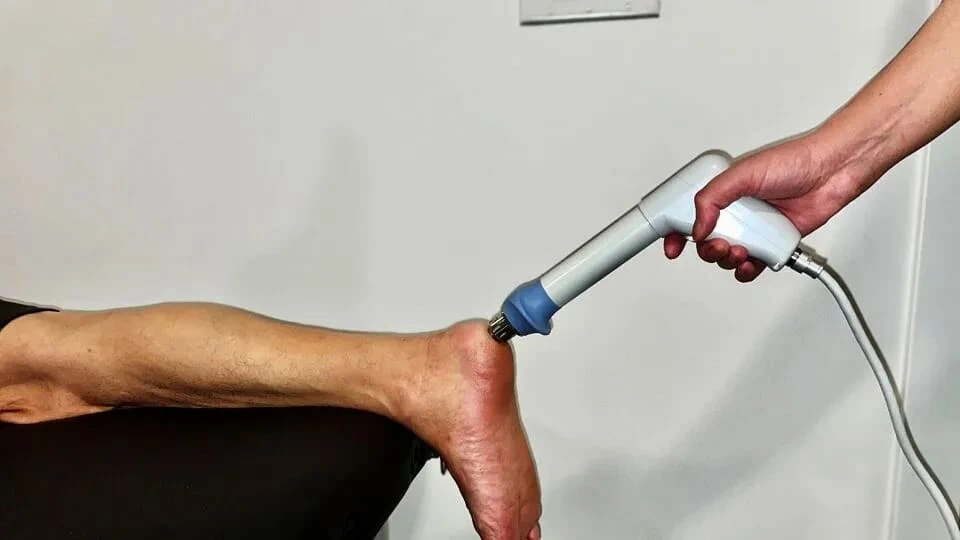
Plantar fasciitis is one of the most common causes of heel pain, especially for people who spend long hours standing, walking, or exercising. The sharp pain near the heel—often worst during the first steps in the morning—can make daily activities uncomfortable.
For many Calgary patients, the most effective approach is combining physiotherapy with shockwave therapy to reduce pain, promote healing, and prevent recurrence.
This article explains how these treatments work together and when they are most effective.
What Is Plantar Fasciitis?
Plantar fasciitis occurs when the plantar fascia—a thick band of tissue connecting the heel bone to the toes—becomes irritated or overstressed.
Common causes include:
- Prolonged standing or walking
- Sudden increases in activity or exercise
- Tight calf or foot muscles
- Poor footwear or lack of arch support
- Flat feet or high arches
Left untreated, plantar fasciitis can become chronic and harder to resolve.
Why Physiotherapy Is Essential for Plantar Fasciitis
Physiotherapy addresses the mechanical causes of plantar fasciitis rather than just managing pain.
At clinics like PhysioNation, physiotherapy focuses on correcting movement issues that overload the plantar fascia.
Physiotherapy Treatment May Include:
- Foot and ankle mobility work
- Calf and plantar fascia stretching
- Strengthening of foot, ankle, and lower-leg muscles
- Gait and walking pattern assessment
- Manual therapy to reduce tissue stiffness
- Advice on footwear and activity modification
These treatments reduce strain on the plantar fascia and support long-term recovery.
How Shockwave Therapy Helps Plantar Fasciitis
Shockwave therapy uses targeted sound waves to stimulate healing in damaged tissue.
Benefits of Shockwave Therapy:
- Increases blood flow to the injured area
- Stimulates tissue repair
- Breaks down chronic scar tissue
- Reduces pain sensitivity
Shockwave therapy is especially helpful for chronic plantar fasciitis that has not responded to rest or basic stretching.
Why Combining Shockwave Therapy & Physiotherapy Works Best
Shockwave therapy helps kick-start healing, while physiotherapy ensures the foot is moving and functioning properly.
Together, they:
- Reduce pain more effectively
- Address the root cause of overload
- Improve walking and standing tolerance
- Lower the risk of recurrence
Shockwave therapy alone does not correct strength or movement issues—physiotherapy fills that gap.
What to Expect from Treatment
Most patients receive:
- A series of shockwave therapy sessions
- Ongoing physiotherapy exercises and guidance
- Gradual return to normal activities
Many patients notice improvement within a few weeks, with continued progress as treatment continues.
How Long Does Recovery Take?
Recovery depends on how long symptoms have been present.
- Recent plantar fasciitis: Improvement in a few weeks
- Chronic cases: Several weeks of combined therapy
- Severe or long-standing pain: Gradual improvement over a structured plan
Consistency with exercises and activity modification plays a major role in success.
When to See a Physiotherapist
You should consider physiotherapy if:
- Heel pain is worse in the morning
- Pain returns after rest
- Walking or standing becomes difficult
- Symptoms last longer than a few weeks
Early treatment often prevents chronic pain.
Final Thought
Plantar fasciitis can be stubborn, but a combined approach using physiotherapy and shockwave therapy offers effective, long-term relief. By treating both the pain and the underlying cause, patients can return to comfortable movement with confidence.




























Sign in to leave a comment.