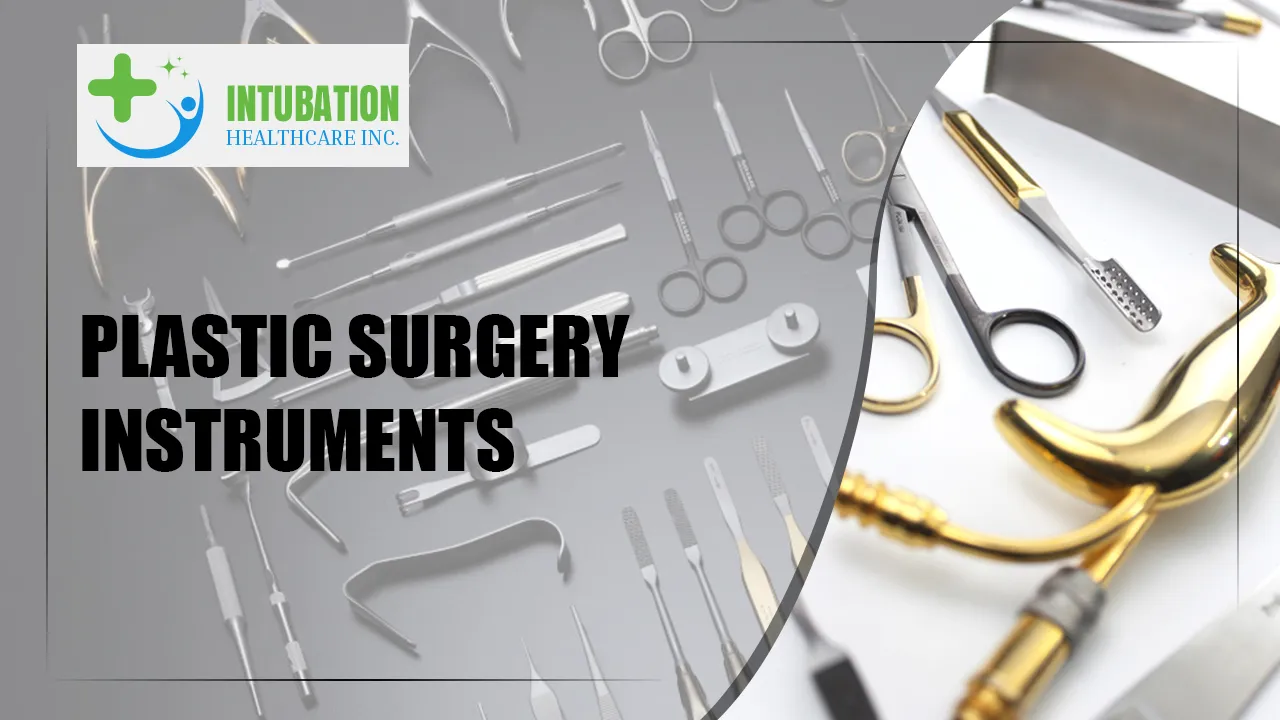

Plastic surgery instruments play a critical role in helping surgeons perform accurate, safe, and controlled aesthetic and reconstructive surgery procedures. Whether the goal is tissue repair, facial refinement, body contouring, or microsurgical reconstruction, the quality of each surgery tool directly affects precision, visibility, handling, and procedural efficiency. For medical professionals, choosing the right plastic surgery tools is not only about convenience; it is about supporting better surgical outcomes and maintaining high standards in the operating room.
Why Plastic Surgery Instruments Matter
Plastic surgery often involves delicate tissue handling, fine dissection, controlled retraction, and exact suturing.
This is why precision surgical instruments are essential in every plastic surgery setup. From surgical forceps and plastic surgery scissors to surgical retractors and surgical needle holders, each instrument has a defined role during plastic surgery procedures.
High-quality sterile surgical equipment helps reduce procedural risk, supports infection control protocols, and allows surgeons to work with confidence.
In reconstructive surgery, where anatomy may be altered by trauma, burns, congenital conditions, or previous operations, dependable operating room instruments are especially important for controlled tissue manipulation and accurate repair.
Common Plastic Surgery Tools and Their Uses
A complete plastic surgery instrument set usually includes several categories of specialized tools. Surgical forceps are used for grasping, holding, and positioning tissue with minimal trauma. Fine forceps are especially valuable in facial, hand, and microsurgical instruments sets, where delicate handling is required.
Plastic surgery scissors are designed for sharp and precise cutting. They help surgeons trim tissue, dissect planes, and refine surgical margins. Depending on the procedure, curved, straight, blunt, or sharp scissors may be selected for specific surgical needs.
Surgical retractors are another essential part of plastic surgery procedures. They help hold tissue aside, improve exposure, and provide better access to the surgical field. Retractors are commonly used in breast surgery, facelift procedures, rhinoplasty, and reconstructive operations.
Surgical needle holders support secure needle control during suturing. In plastic surgery, accurate suturing is vital because wound closure, scar appearance, and tissue alignment can affect both functional and cosmetic results.
Specialized Instruments for Advanced Procedures
Some plastic surgery procedures require highly specialized instruments. Liposuction cannulas are used in body contouring procedures to assist with controlled fat removal. Different cannula sizes, shapes, and tip designs allow surgeons to choose the right tool based on the treatment area and surgical technique.
Rhinoplasty instruments are designed for nasal surgery, where precision is essential. These instruments may include nasal retractors, rasps, scissors, forceps, elevators, and other tools used to reshape cartilage, bone, and soft tissue.
Microsurgical instruments are used in complex reconstructive surgery, including flap surgery, nerve repair, and vascular anastomosis. These instruments must be lightweight, balanced, and extremely precise to support work under magnification.
Choosing the Right Plastic Surgery Instruments
When selecting plastic surgery instruments, medical professionals should consider material quality, ergonomic design, sterilization compatibility, and procedural application. Durable stainless steel instruments are commonly preferred because they offer strength, corrosion resistance, and long-term reliability.
Ergonomic handling is also important. Surgeons may work for extended periods, and well-balanced instruments can reduce hand fatigue while improving control. In addition, sterile surgical equipment should be easy to clean, sterilize, and maintain according to clinical standards.
Final Thoughts
Plastic surgery tools are the foundation of safe, accurate, and efficient surgical care. From surgical forceps and plastic surgery scissors to liposuction cannulas, surgical retractors, surgical needle holders, rhinoplasty instruments, and microsurgical instruments, every tool has a purpose. For hospitals, clinics, and surgical centers, investing in reliable operating room instruments helps support professional performance across cosmetic and reconstructive surgery procedures.
Medical professionals looking to upgrade their plastic surgery setup should choose precision surgical instruments that deliver durability, control, and consistency in every procedure.






























Sign in to leave a comment.