
In today’s competitive and fast-paced business world, project management has become a vital skill. Whether it’s technology, construction, healthcare, or education — every successful organization relies on skilled professionals who can plan, execute, and deliver projects effectively.
The Project Management Professional (PMP) certification stands as one of the most recognized credentials worldwide. It not only validates your project management knowledge but also opens doors to high-paying, international career opportunities.
What Is PMP Certification?
PMP (Project Management Professional) is a globally recognized certification offered by the Project Management Institute (PMI, USA). It demonstrates that an individual has the experience, education, and competency to lead and direct projects successfully.
The PMP framework is based on globally accepted standards and covers all key project management principles — including initiation, planning, execution, monitoring, and closure.
It’s designed for professionals who want to enhance their management skills and demonstrate their ability to deliver value through effective project leadership.
Why PMP Certification Matters
In the modern business environment, organizations value professionals who can lead teams efficiently, manage budgets, and deliver results. PMP-certified professionals stand out because they bring structure, discipline, and proven methodologies to every project.
Here’s why PMP certification is important:
- Global Recognition: It’s accepted and respected across industries worldwide.
- Career Advancement: PMP-certified managers often earn higher salaries.
- Improved Project Success: Certified professionals are trained in globally recognized frameworks.
- Professional Credibility: It builds trust and confidence among employers and clients.
- Networking Opportunities: PMP connects you to an international community of project leaders.
Who Should Pursue PMP Certification
PMP is ideal for:
- Project Managers and Team Leaders seeking validation of their experience.
- Professionals in IT, Engineering, Construction, or Business aiming for leadership roles.
- Individuals transitioning into project-based roles who want a global credential.
Even if you’re just starting your project management journey, PMP helps you understand structured methods to handle tasks and lead projects confidently.
Key Benefits of PMP Certification
- High Demand Across Industries:
- PMP-certified professionals are required in tech, manufacturing, construction, healthcare, and finance sectors.
- Increased Salary Potential:
- According to PMI surveys, PMP holders earn up to 20–30% more than non-certified professionals.
- Enhanced Project Performance:
- PMP training emphasizes predictive, agile, and hybrid project methodologies — preparing you for real-world challenges.
- Leadership and Communication Skills:
- PMP enhances your ability to manage teams, resolve conflicts, and lead with clarity.
- Global Mobility:
- PMP is recognized in over 200 countries, making it a great asset for international professionals.
What You Learn in PMP Training
The PMP course covers a wide range of topics designed to strengthen your practical and theoretical understanding of project management.
Core learning areas include:
- Project Integration & Scope Management
- Schedule, Cost, and Quality Management
- Resource and Risk Management
- Procurement and Stakeholder Engagement
- Agile and Hybrid Methodologies
Learners also gain experience in leadership, strategic thinking, and performance tracking — skills crucial for managing complex projects.
Industries That Value PMP Professionals
PMP certification is versatile and respected across sectors. Major industries where PMP skills are essential include:
- Information Technology (IT)
- Engineering & Construction
- Banking and Finance
- Healthcare and Pharmaceuticals
- Government and Public Projects
- Energy and Oil
Employers trust PMP-certified professionals to ensure that projects are delivered on time, within budget, and with measurable value.
How to Get PMP Certified
- Check Eligibility:
- A bachelor’s degree (or equivalent).
- At least 36 months of project management experience.
- 35 hours of project management education (can be completed through training).
- Apply via PMI Website:
- Create an account on the PMI site, fill in your details, and submit your experience documentation.
- Prepare for the Exam:
- Study the PMBOK® Guide and practice through mock exams. Many learners also take structured online or classroom training for better understanding.
- Pass the Exam:
- The PMP exam includes 180 questions covering people, process, and business environments.
- Maintain Your Certification:
- PMP holders must earn Professional Development Units (PDUs) every 3 years to keep their certification active.
The Future of Project Management
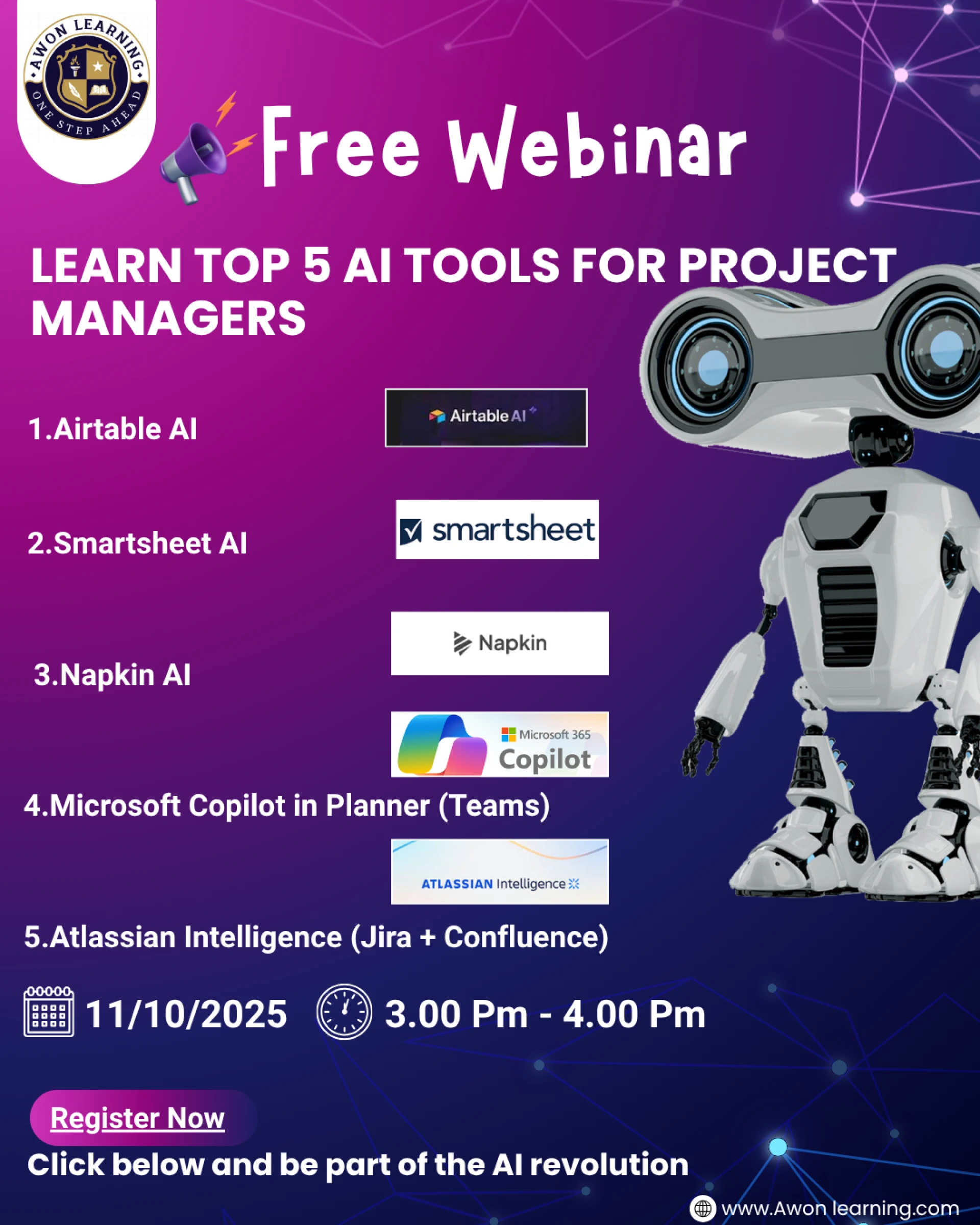
As industries adopt Agile, AI tools, and hybrid methodologies, the role of project managers is evolving. PMP-certified professionals are at the center of this transformation — managing remote teams, digital projects, and global operations.
Project management is now a strategic leadership skill — not just about timelines and budgets but about driving innovation and results.
Conclusion
PMP certification is more than a credential — it’s a mark of excellence in leadership, planning, and execution. It empowers professionals to deliver value, adapt to challenges, and make meaningful contributions in any industry.
If you’re looking to enhance your professional credibility, lead global teams, or move into higher management roles, PMP certification is a step in the right direction.
In a world driven by projects, PMP-certified professionals build the future.



























Sign in to leave a comment.