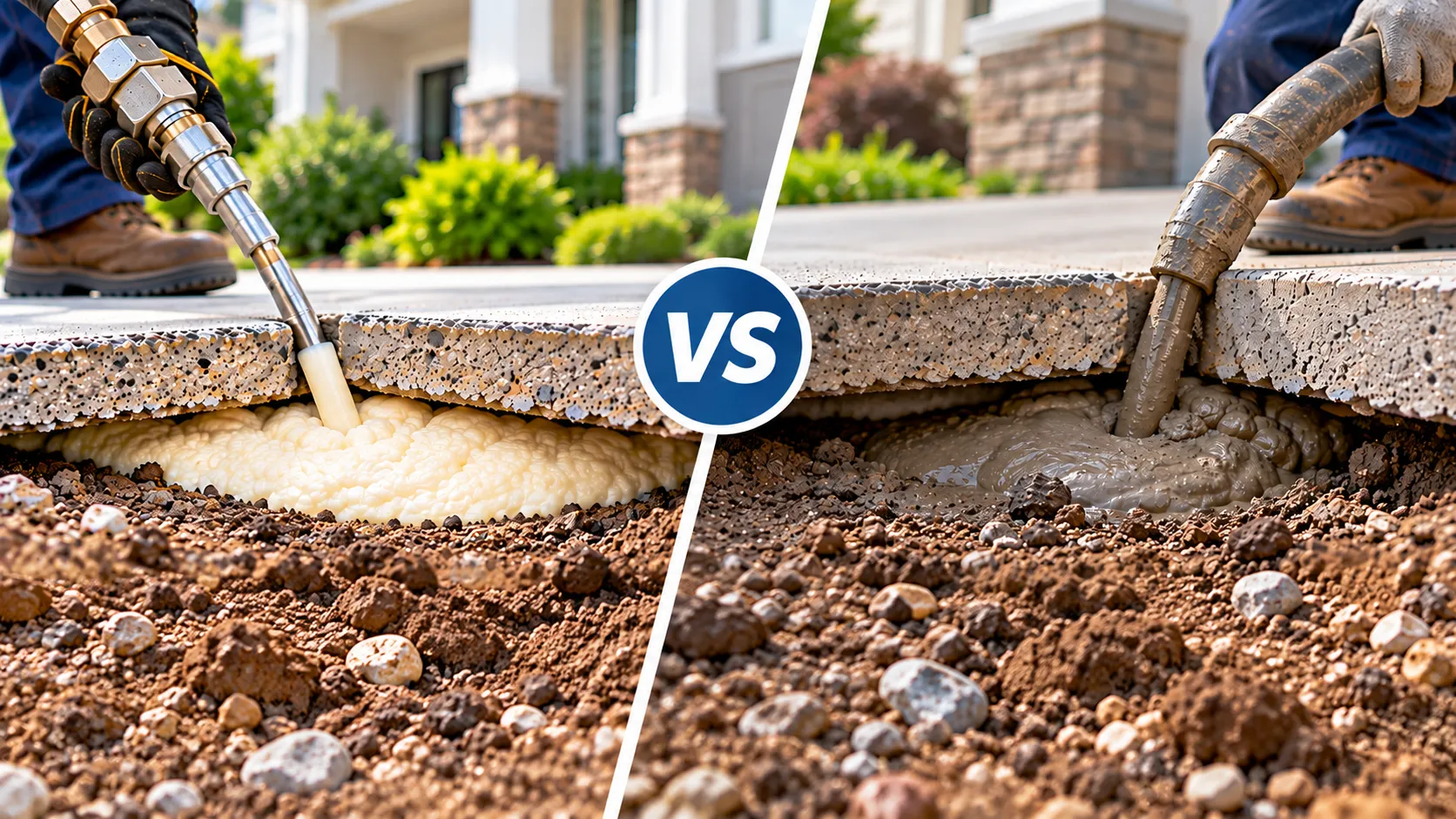

Property owners dealing with sunken concrete often face a choice between two common repair methods: mudjacking and polyjacking services. Both methods raise settled concrete slabs without full replacement, but they use different materials and processes. This article compares the two approaches, including polyurethane foam jacking, to help explain how each method works and where they differ.
Understanding the Problem They Solve
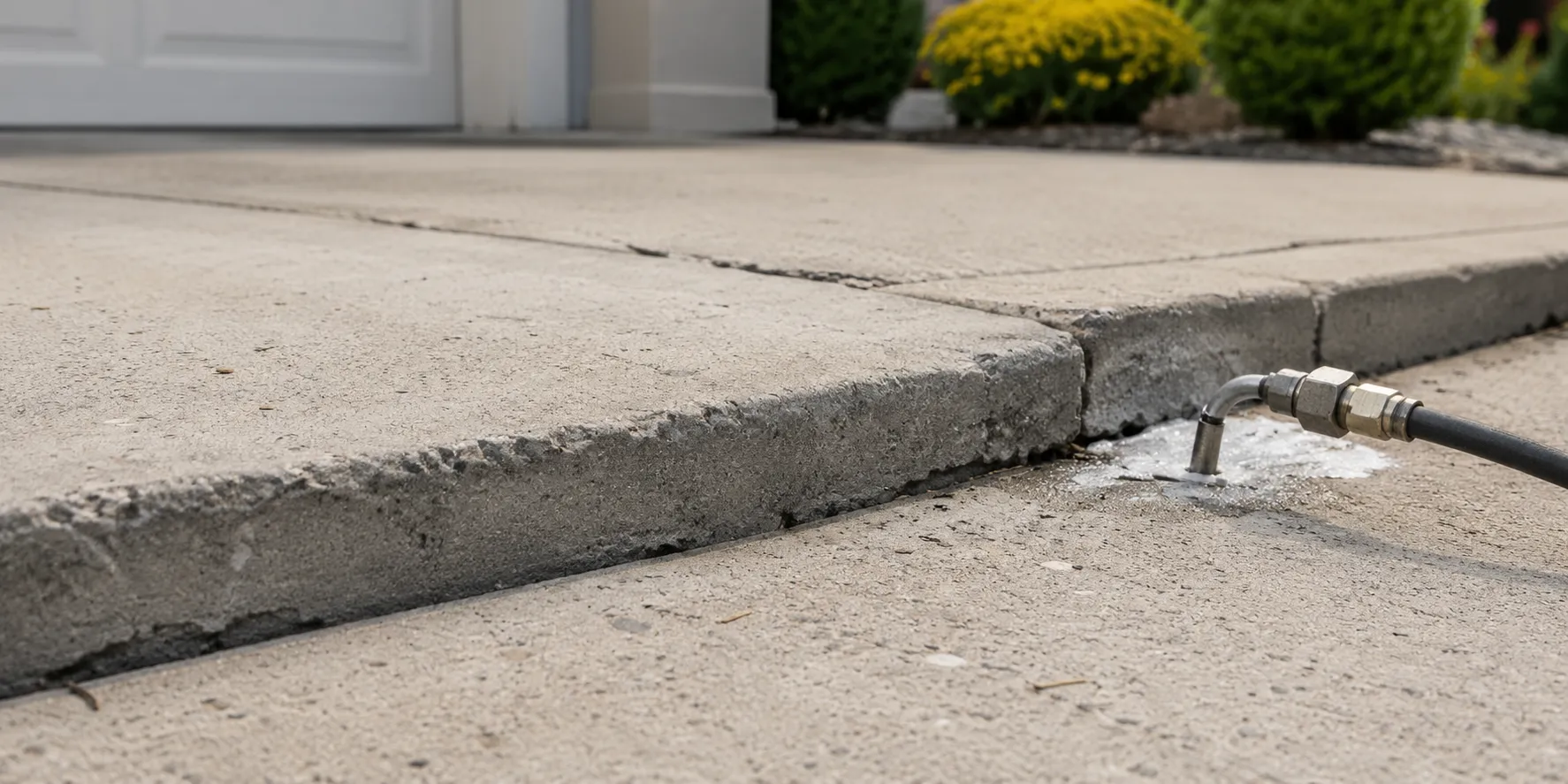
Concrete slabs settle over time due to soil erosion, poor compaction, or moisture changes beneath the surface. This can cause driveways, sidewalks, and patios to sink, tilt, or crack. Rather than removing the slab and pouring new concrete, both mudjacking and polyjacking services raise the existing slab by injecting material underneath it.
What Is Traditional Mudjacking?
Mudjacking is an older repair method that uses a mixture of cement, soil, sand, and water. Technicians drill holes into the slab, then pump this mixture underneath under pressure. As the mixture fills voids in the soil, it raises the concrete back toward its original position.
The mixture used in mudjacking is heavy, often weighing more than one hundred pounds per cubic foot once set. This weight can help stabilize larger slabs, but it also means the material takes longer to cure. Depending on conditions, an area repaired with mudjacking may need to stay closed off for a day or more before it can support regular use.
What Is Polyjacking?
Polyjacking services use a two-part polyurethane foam instead of a cement-based mixture. When the two components combine, the foam expands rapidly and fills gaps beneath the slab. This process is sometimes referred to as polyurethane foam jacking, since the foam itself does the work of lifting the concrete.
Polyurethane foam weighs significantly less than mudjacking mixtures, often around two to four pounds per cubic foot once cured. Because the foam is lightweight, it places less added stress on the soil beneath the slab. The foam also cures within minutes rather than hours, which allows the area to be used again shortly after the work is finished.
Key Differences Between the Two Methods
Material Weight
One of the clearest differences between polyjacking services and mudjacking is the weight of the material used. Mudjacking mixtures are heavy and can add significant load to already weakened soil. Polyurethane foam jacking uses a much lighter material, which reduces the chance of the same settling issue happening again due to added weight.
Hole Size
Mudjacking typically requires holes around one and a half to two inches wide to accommodate the thicker mixture. Polyjacking services generally use smaller holes, often around five eighths of an inch, since the foam expands and flows more easily through a smaller opening. Smaller holes mean less visible patching once the repair is complete.
Curing Time
Mudjacking mixtures can take several hours to a full day to cure completely. Polyurethane foam jacking cures within about fifteen minutes, allowing driveways, sidewalks, and patios to return to normal use much sooner after the work is finished.
Water Resistance
Polyurethane foam does not absorb water and is not affected by future moisture in the soil. Mudjacking mixtures, being cement-based, can be more susceptible to erosion if water continues to move through the soil beneath the slab over time.
Application and Equipment
Mudjacking requires larger pumping equipment to move the heavier mixture through hoses and into the ground. Polyjacking services use smaller, more portable equipment, since the foam components are lighter and easier to transport and mix on site.
Which Method Fits Which Situation
Neither method is universally better for every situation. Mudjacking may still be used for larger commercial slabs where the added weight of the mixture is not a concern or where local contractors have long-standing experience with the process. Polyjacking services are often preferred for driveways, walkways, and residential slabs where fast curing time and reduced weight are priorities.
A qualified technician typically evaluates the slab size, soil condition, and intended use of the area before recommending one method over the other. Providers such as Lift It Pro often offer both options, allowing property owners to choose based on their specific circumstances rather than being limited to a single repair method.
What to Expect During Polyjacking Services
The general process for polyjacking services follows a consistent sequence:
- An initial inspection to assess the extent of settling and identify the cause
- Drilling small holes at calculated points across the slab
- Injecting polyurethane foam through the holes under controlled pressure
- Monitoring the slab as it rises to reach a level position
- Sealing the holes with a patching compound once the correct height is reached
Because polyurethane foam jacking cures quickly, most projects are completed within a single visit, and the area can typically be used the same day again.
Environmental and Practical Considerations
Polyurethane foam used in polyjacking services is generally inert once cured, meaning it does not break down or leach into the surrounding soil. This can be a relevant factor for property owners concerned about long-term soil conditions near foundations or landscaping. Mudjacking mixtures, being made from natural materials like cement and soil, are also considered stable once cured, though the added weight remains a factor in areas with already unstable soil.
Conclusion
Both mudjacking and polyjacking services offer effective ways to raise settled concrete without full slab replacement. The main differences come down to material weight, curing time, hole size, and water resistance. Polyurethane foam jacking tends to suit situations where speed and reduced soil load matter most, while traditional mudjacking may still be appropriate for certain larger-scale projects. A proper evaluation from a qualified technician remains the best way to determine which method fits a specific slab and soil condition.























Sign in to leave a comment.