

A brighter smile can make a noticeable difference in how you feel about yourself, but choosing the right cosmetic dental treatment is not always straightforward. Many people find themselves comparing options like veneers and whitening, especially when considering factors such as durability, results and porcelain veneers cost. Both treatments aim to improve the appearance of your teeth, but they work in very different ways and suit different needs.
Understanding the Basics
Before deciding, it helps to understand what each treatment actually involves and what it is designed to achieve.
What Are Porcelain Veneers?
Porcelain veneers are thin, custom-made shells that are bonded to the front surface of your teeth. They are typically used to correct issues such as discolouration, chipped teeth, uneven shapes or gaps.
Veneers are designed to look natural and are colour-matched to blend seamlessly with your smile. Because they cover the tooth surface, they can create a more uniform and polished appearance.
What Is Teeth Whitening?
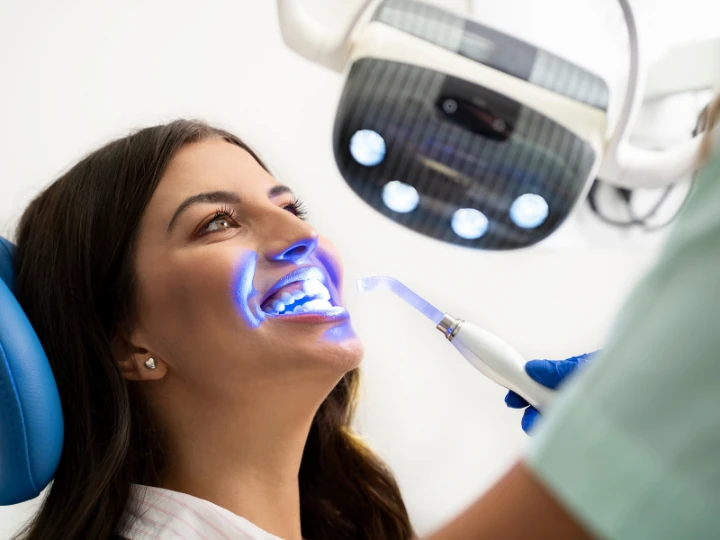
Teeth whitening is a non-invasive treatment that focuses on removing stains and lightening the natural colour of your teeth. It is commonly done using professional-grade bleaching agents, either in a clinic or with take-home kits.
Whitening works best on surface stains caused by coffee, tea, wine or smoking. It enhances your existing teeth rather than altering their shape or structure.
Key Differences Between Veneers and Whitening
While both treatments aim to improve your smile, the results and processes are quite different.
Level of Transformation
If you are looking for a dramatic change, veneers offer more comprehensive results. They can fix multiple concerns at once, including colour, shape and alignment.
Whitening, on the other hand, is ideal for those who are generally happy with their teeth but want a brighter, fresher look.
Longevity
Porcelain veneers are a long-term solution. With proper care, they can last many years without losing their appearance.
Teeth whitening is not permanent. The results can fade over time, especially if you regularly consume staining foods and drinks. Maintenance treatments may be needed to keep your smile bright.
Procedure and Commitment
Getting veneers usually requires multiple appointments and some preparation of the natural teeth. This makes it a more involved process.
Whitening is much simpler and quicker. In many cases, it can be completed in a single session or over a short period at home.
When Veneers Might Be the Better Choice
Veneers are often recommended for people who want to address more than just colour.
Multiple Cosmetic Concerns
If your teeth are chipped, uneven or have noticeable gaps, veneers can provide a more complete solution. They create a uniform appearance that whitening alone cannot achieve.
Deep or Stubborn Discolouration
Some stains do not respond well to whitening treatments, especially those caused by medication or internal tooth changes. Veneers can effectively cover these discolourations.
Long-Term Results
For those seeking a lasting improvement, veneers offer durability and consistent appearance over time.
When Teeth Whitening Makes More Sense
Whitening is a great option for people who want a simpler and less invasive treatment.
Mild to Moderate Staining
If your main concern is yellowing or surface stains, whitening can deliver noticeable results without altering your natural teeth.
Budget-Friendly Option
Compared to veneers, whitening is generally more affordable, making it a popular choice for those looking for a cost-effective improvement.
Quick Results
If you have an upcoming event or simply want a fast enhancement, whitening can provide a brighter smile in a short time.
Things to Consider Before Deciding
Choosing between veneers and whitening depends on your goals, budget and expectations.
Your Desired Outcome
Think about what you want to achieve. Are you aiming for a subtle improvement or a complete smile transformation? Your answer will guide your decision.
Oral Health
Healthy teeth and gums are essential before undergoing any cosmetic treatment. It is important to address any underlying issues first.
Professional Advice
A dental professional can assess your teeth and recommend the most suitable option based on your individual needs.
Final Thought
Both porcelain veneers and teeth whitening have their place in cosmetic dentistry, and the right choice depends on what you are hoping to achieve. Veneers offer a more comprehensive and long-lasting transformation, while whitening provides a quick and effective way to brighten your natural smile. Understanding the differences allows you to make an informed decision that suits your lifestyle and expectations.
FAQs
1. Are porcelain veneers better than teeth whitening?
It depends on your needs. Veneers are better for addressing multiple issues, while whitening is ideal for improving tooth colour.
2. How long do teeth whitening results last?
Results can last from several months to a couple of years, depending on your habits and maintenance.
3. Do veneers damage natural teeth?
Veneers require some enamel removal, but when done properly, they are a safe and common cosmetic treatment.
4. Can I whiten my teeth if I already have veneers?
Whitening treatments do not affect veneers, so it is important to match the shade beforehand.
5. Which option is more affordable?
Teeth whitening is generally more cost-effective, while veneers involve a higher upfront investment due to their long-term benefits.






























Sign in to leave a comment.