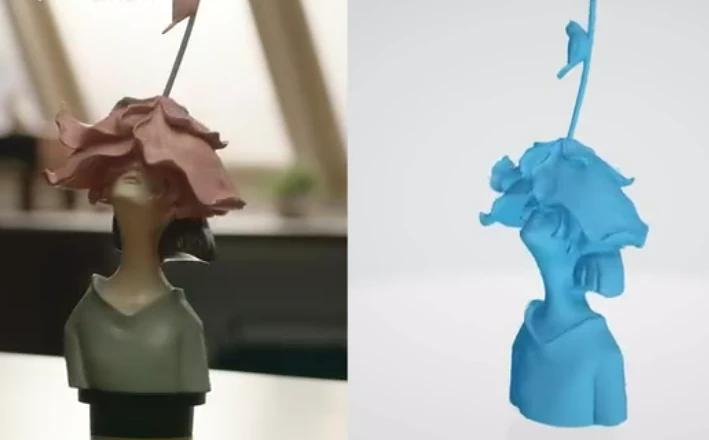

Choosing the right 3D object scanner can be a game-changer, whether you’re a professional in product design, an engineer working on prototyping, or an artist exploring digital sculpting. The debate between portable and desktop 3D scanners often comes down to convenience versus precision. Both types of scanners have their strengths, and deciding which one suits your needs requires understanding the unique advantages they offer and how they align with your workflow.
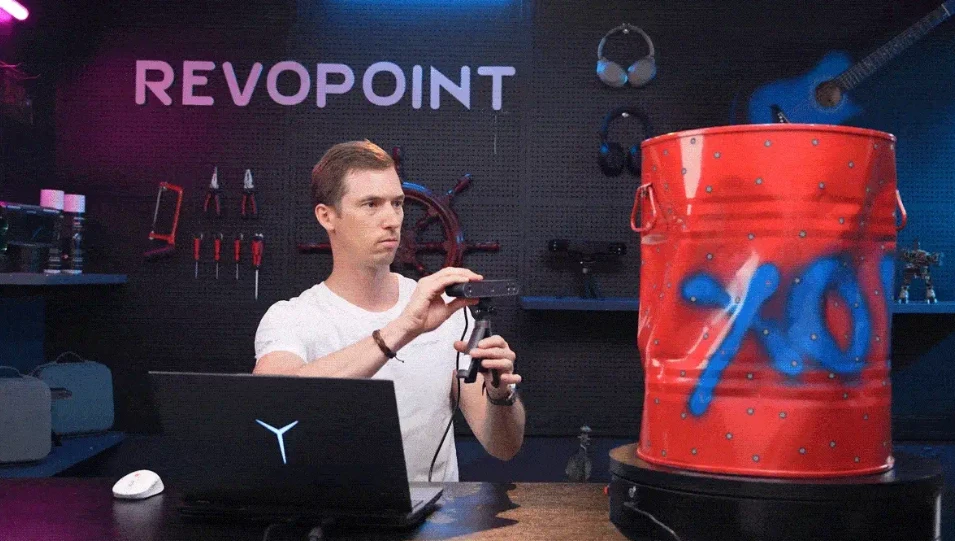
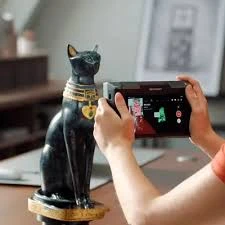
Portable 3D scanners have revolutionized the way objects are digitized. These lightweight, handheld devices allow users to capture intricate details from almost anywhere, making them ideal for scanning large objects, human figures, or even outdoor environments. One of the biggest advantages of a portable 3D object scanner is its flexibility. Industrial designer Jonathan Cagan once remarked, "Innovation thrives in adaptability, and the ability to scan on the go opens up creative possibilities that were once unthinkable." This is particularly true for industries like archaeology and cultural heritage preservation. Field researchers, for example, rely on portable scanners to document historical artifacts on-site without the need for transportation. The ability to scan directly at excavation sites ensures that fragile objects remain intact while still being digitally preserved.
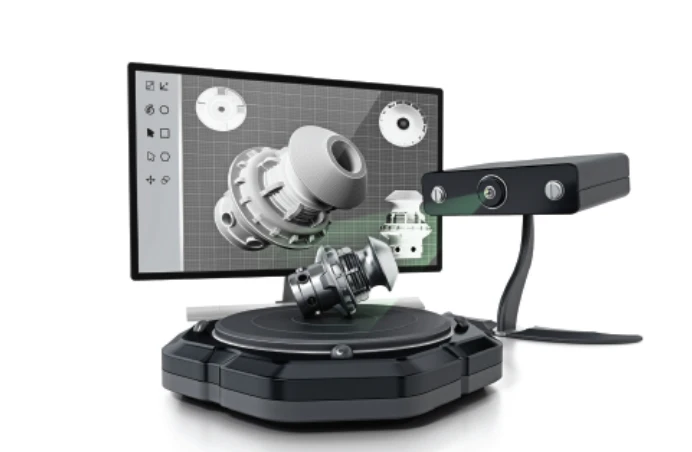
In contrast, desktop 3D scanners are known for their precision and stability. These stationary devices are often equipped with advanced optical systems that can capture objects with extreme accuracy, sometimes down to 0.01mm. This level of detail is crucial in industries like jewelry design, forensic analysis, and industrial manufacturing. A well-known example of desktop 3D scanning in action comes from the watchmaking industry. Swiss watch manufacturers, renowned for their commitment to precision, use high-end desktop 3D object scanners to inspect the microscopic details of gears and components. Without this level of accuracy, ensuring the smooth functioning of luxury mechanical watches would be nearly impossible.
Beyond accuracy, workflow efficiency also plays a key role in choosing between portable and desktop scanners. Many professionals who require frequent scans of various objects appreciate the speed and ease of use that portable scanners provide. For instance, in the film and gaming industries, special effects teams use handheld scanners to capture actors' facial expressions and body movements for CGI. Hollywood studios have long relied on this technology to bring digital characters to life, as seen in movies like Avatar, where actors' performances were transferred into hyper-realistic 3D models.
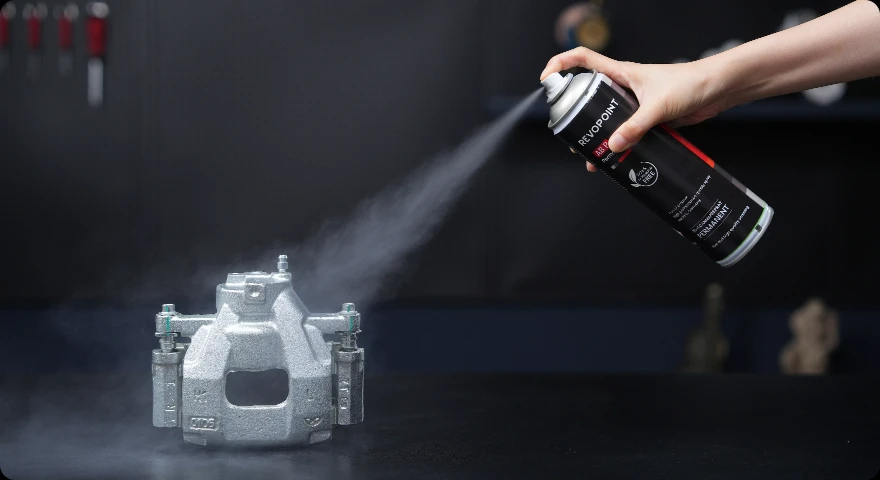
However, when dealing with objects that require absolute precision, desktop scanners remain the preferred choice. Manufacturing companies use them to ensure quality control, scanning mechanical parts to verify that they meet exact design specifications. The automotive industry is a prime example of this, with companies like Tesla using high-resolution 3D object scanners to measure the alignment and tolerances of vehicle components. Even a minor deviation in a car's design can impact performance and safety, making desktop scanners indispensable for quality assurance.
While both types of scanners have clear advantages, cost is another factor to consider. Portable scanners tend to be more affordable and accessible, making them a great choice for small businesses and independent creators. Desktop scanners, on the other hand, often come with a higher price tag due to their superior precision and structured scanning environments. For startups or individuals working on budget-sensitive projects, a portable scanner may offer the best balance between affordability and capability.
Ultimately, the right 3D object scanner depends on your specific needs. If mobility, speed, and adaptability are your top priorities, a portable scanner is the ideal choice. However, if your work demands high precision and you have a controlled environment, a desktop scanner will provide the level of detail required. Many professionals even use both, leveraging portable scanners for quick captures and desktop scanners for fine-detail refinement. As technology continues to advance, the line between these two categories is blurring, with hybrid models emerging that aim to combine the best of both worlds. Whether you're scanning for industrial applications, creative projects, or research purposes, investing in the right scanner will enhance your workflow and open new possibilities in the world of 3D digitization.





















Sign in to leave a comment.