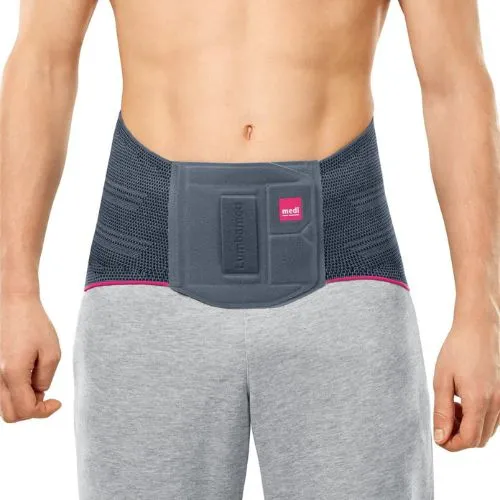

Improve posture and support your back with a posture brace. Learn benefits, uses, fitting tips, and how it helps maintain proper body alignment.
Poor posture is common among people who spend long hours sitting, working on computers, driving, or using mobile devices. Over time, poor alignment can create pressure on the shoulders, neck, and back. A simple support solution can help remind the body to maintain a healthier position during daily activities.
A posture brace is designed to support the upper body, encourage proper alignment, and reduce strain caused by slouching habits. It works by gently pulling the shoulders back and helping users become more aware of their posture.
Posture Brace Benefits for Better Body Alignment
A posture brace can provide support for people who struggle with rounded shoulders, poor sitting habits, or discomfort caused by incorrect positioning. It does not replace exercise or medical care, but it can act as a helpful reminder to keep the spine in a more natural position.
Key benefits include:
- Helps maintain a straighter shoulder position
- Supports better sitting and standing habits
- Reduces stress on upper back muscles
- Encourages awareness of body alignment
- Provides additional support during daily activities
Many people develop poor posture without noticing. A posture brace can provide gentle feedback when the shoulders move forward, helping users correct their position throughout the day.
How a Posture Brace Supports Your Back and Shoulders
The main purpose of a posture brace is to provide external support that encourages proper alignment. When the shoulders move forward due to sitting, working, or repetitive activities, muscles may become strained.
A posture support device helps guide the shoulders into a more balanced position. It distributes support across the upper back area and encourages a more natural posture pattern.
A quality posture brace should feel comfortable and allow normal movement. The goal is not to force the body into an uncomfortable position but to provide support while building better habits.
Choosing the Right Posture Brace for Daily Use
Selecting the right support depends on your lifestyle, comfort needs, and the level of support required. A well-fitted brace should provide support without restricting movement.
Consider these factors before choosing one:
- Adjustable straps for a customized fit
- Breathable materials for long-term comfort
- Lightweight design for daily wear
- Proper shoulder and back coverage
- Easy adjustment during activities
A posture brace should fit securely around the shoulders and upper back. Wearing a brace that is too tight may cause discomfort, while a loose fit may not provide enough support.
When to Wear a Posture Brace During the Day
A posture brace is usually worn during activities where posture problems are more noticeable. This may include working at a desk, studying, traveling, or performing tasks that involve sitting for extended periods.
Start with shorter wearing periods and gradually increase usage based on comfort. The purpose is to develop posture awareness while allowing the muscles to remain active.
A posture brace works best when combined with healthy habits such as:
- Regular stretching
- Strength exercises for the back and core
- Proper desk setup
- Frequent movement breaks
- Maintaining a balanced sitting position
Posture Brace vs Building Natural Posture Habits
While a posture brace provides support, it should be viewed as a tool that works alongside lifestyle improvements. Long-term posture improvement often comes from strengthening muscles and practicing better body mechanics.
A brace can remind users to avoid slouching, but daily habits play an important role. Adjusting your workspace, keeping screens at eye level, and taking movement breaks can improve overall posture quality.
People who use a posture brace often find it easier to notice when they are leaning forward or rounding their shoulders. This awareness can help create better posture habits over time.
How to Use a Posture Brace Correctly
Using a support device correctly helps improve comfort and effectiveness. Follow these simple steps:
- Adjust the straps before wearing it for extended periods.
- Make sure the brace sits comfortably on the shoulders and upper back.
- Avoid tightening it too much.
- Wear it during activities where posture support is needed.
- Combine use with posture exercises and healthy movement.
A posture brace should support your natural position rather than create pressure or discomfort.
Frequently Asked Questions
Can a posture brace fix bad posture?
A posture brace can help improve posture awareness and provide support, but it does not permanently change posture alone. Combining brace use with exercises and healthy habits can support better alignment.
How many hours should you wear a posture brace?
Wearing time depends on comfort, activity level, and personal needs. Many users start with short periods and increase gradually as they adjust.
Is wearing a posture brace safe?
A properly fitted posture brace is generally safe for most healthy adults. It should feel supportive and comfortable without causing pain or restricting movement.
Can a posture brace help with back pain?
A posture brace may help reduce strain caused by poor posture by supporting better alignment. However, persistent or severe pain should be discussed with a healthcare professional.
Should I wear a posture brace while working?
A posture brace can be useful during desk work, especially when sitting for long periods. It can remind users to maintain a better shoulder and back position.
Can I exercise while wearing a posture brace?
Light activities may be suitable depending on the design and comfort level. Always follow the product instructions and avoid movements that cause discomfort.
Conclusion
A posture brace can be a useful support tool for people looking to improve body alignment and reduce the effects of poor posture habits. It helps encourage better shoulder positioning, increases posture awareness, and supports daily comfort.
For the best results, combine brace use with regular movement, stretching, and strength-building exercises. A consistent approach can help create healthier posture habits and better back support during everyday activities.




























Sign in to leave a comment.