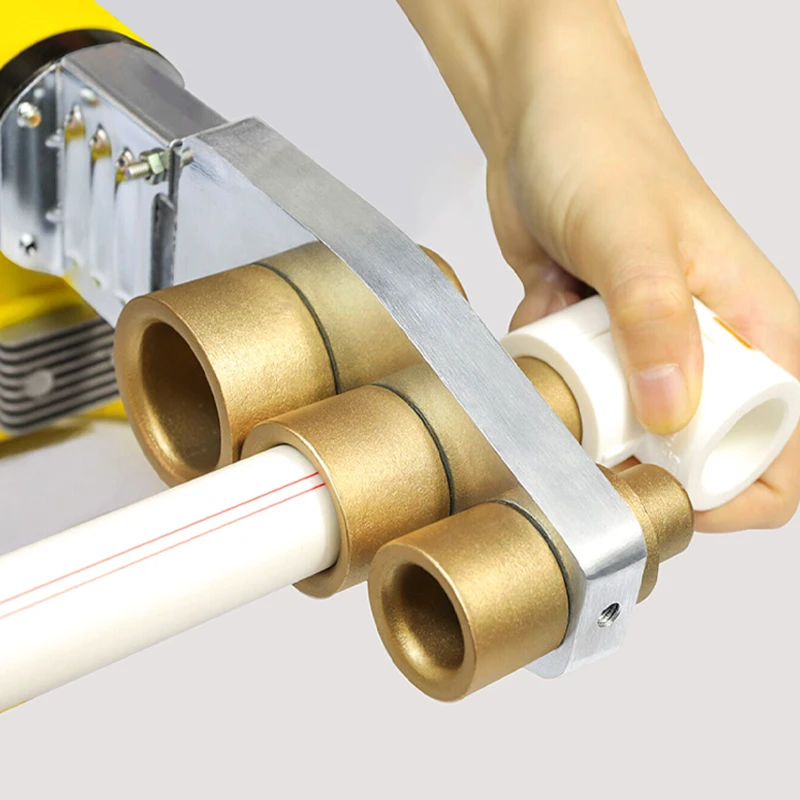
In industrial, commercial, and residential plumbing, selecting the right piping system is critical for long-term performance and cost-efficiency. While options like metal threading and PEX crimping exist, PPR (polypropylene random copolymer) systems joined by thermal fusion have become the global standard for pressurized water applications. Here’s why:
1. Connection Technology: Fusion vs. Mechanical
PPR uses heat fusion to melt pipe and fitting interfaces, merging them into a single, leak-proof homogeneous unit. This molecular bond outperforms metal systems (reliant on corrosion-prone threaded/press-fit seals) and PEX systems (dependent on O-rings and mechanical crimps), which remain vulnerable to degradation and failure over time.
2. Key Advantages of PPR Fusion
- Reliability: Joint strength matches or exceeds pipe strength, with no seals to wear out.
- Low Lifetime Cost: Minimal maintenance, affordable fittings, and fast installation reduce labor and long-term expenses.
- Safety & Compliance: corrosion-resistant, smooth inner walls prevent biofilm, and full drinking water compliance.
- Chemical Resistance: Handles acids, alkalis, and harsh fluids better than metal alternatives.
3. The Equipment Difference
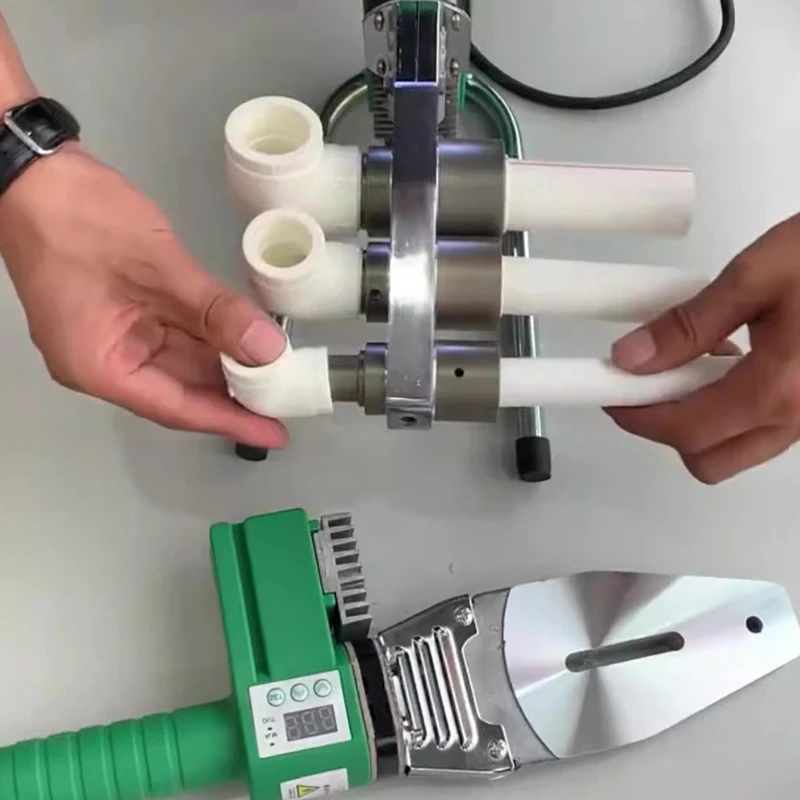
PPR’s performance depends on precise temperature (260°C ±5°C), time, and pressure control. Professional equipment, like HAOTIAN's Fusion Machines, ensures perfect joins by eliminating human error through stable heating, intuitive design, and repeatable results.
4. Conclusion
For engineers and contractors prioritizing lifetime value, PPR fusion offers unmatched reliability and economy. It replaces the failure risks of mechanical joints with a permanent, molecularly bonded system.
Learn More
For technical specifications and data-backed case studies, visit HAOTIAN Welding.
























Sign in to leave a comment.