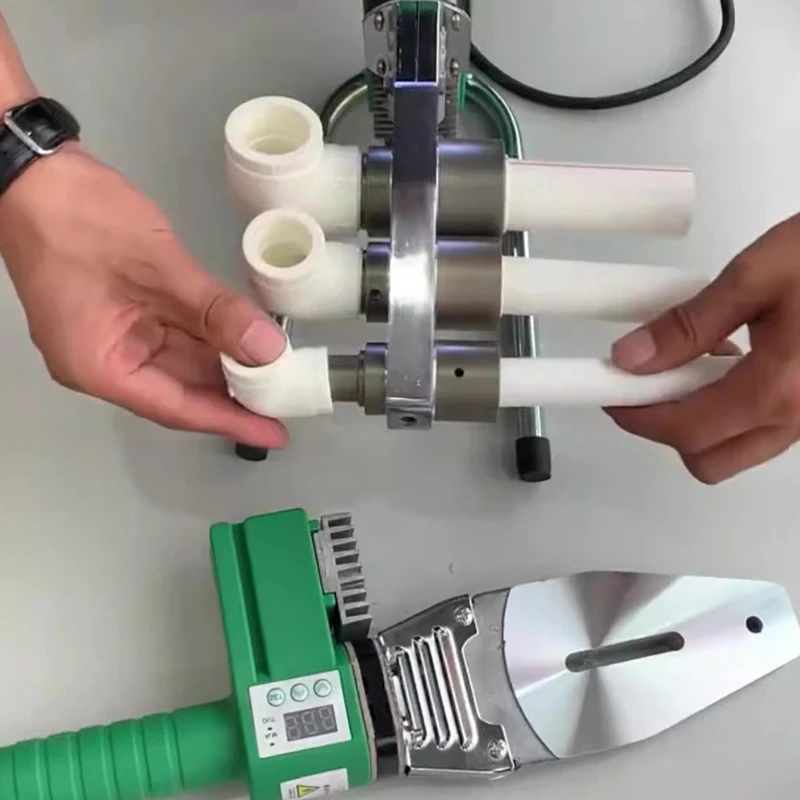
Choosing pipes for renovation often brings confusion: traditional ordinary pipes or popular hot-melt PPR pipes? The key difference lies in daily use - ordinary pipes may leak at joints after 3-5 years, while hot-melt PPR pipes can stay in good condition for over a decade.
Below, we focus on the advantages of hot-melt PPR pipes over others, covering durability, safety, construction, and maintenance to help you make a wise choice.
Advantage 1: Better Durability, No "Leakage Risks"
Ordinary pipes often fail due to joints. PVC pipes use glue for bonding, which ages easily in humid areas like bathrooms and kitchens in 3-5 years, causing loose joints and seepage. Galvanized steel pipes rely on screw threads, which rust over time - rust buildup leads to leaks and even blocked water flow.
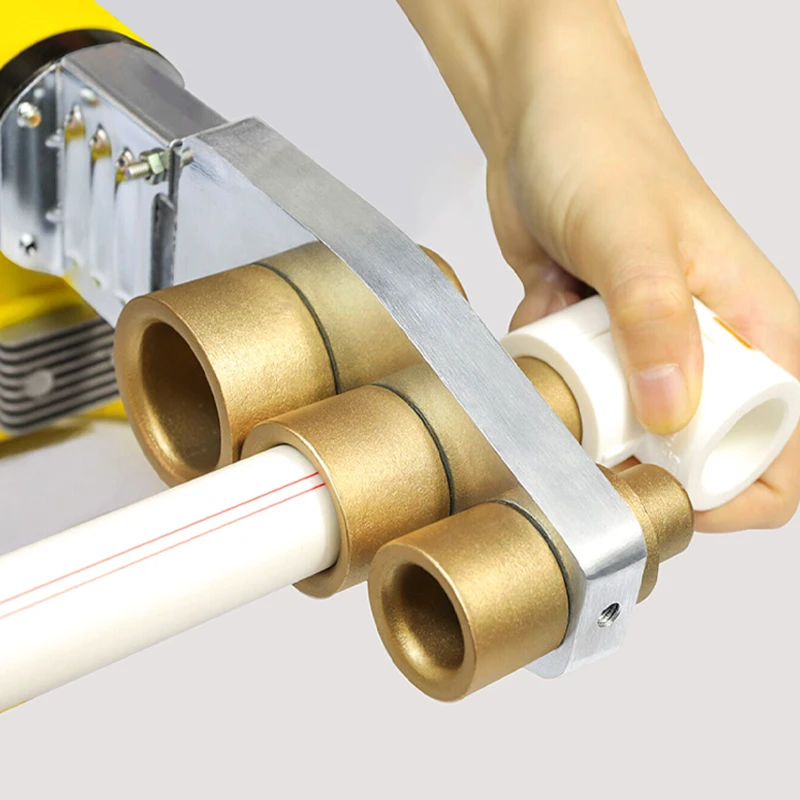
Hot-melt PPR pipes avoid this. They use a hot-melt machine to fuse pipes and fittings into one: the machine heats joints to 260°C to melt PPR material, and after cooling, the connection is seamless, like a single piece.
A real case: a family's kitchen PPR pipes stayed firm with no seepage after 12 years. With no vulnerable parts like glue or threads, properly installed hot-melt PPR pipes can last 20-30 years without joint issues.
To maximize this, pair with a reliable hot-melt machine. Our equipment (official website link: [Insert official website link here]) controls temperature precisely at 260°C ± 3°C, with even heating from the die head, ensuring stable fusion.
Advantage 2: Higher Safety, "Assured Water" for Families
Ordinary pipes have safety concerns. Galvanized steel pipes rust, and rust residues in water are harmful for long-term use, making them unpopular for drinking water. Inferior PVC pipes may contain plasticizers that volatilize into water when heated, especially risky for hot water pipes.
PPR pipes are eco-friendly with no harmful additives, suitable for both drinking and hot water. They resist corrosion well - even with water impurities, they don't rust like galvanized pipes, and rarely scale, keeping water flow smooth.
An owner once chose PPR pipes after hearing they ensure odor-free water. After 5 years, there were no issues like blockages or strange smells - crucial for families with kids and the elderly.
Advantage 3: Easier Construction & Maintenance, Less Trouble
Ordinary pipes are troublesome to handle. PVC pipe glue needs time to dry; rushing construction risks joint problems. Galvanized steel pipe threading demands skill - poor threading causes leaks and rework.
Maintenance is worse: leaking PVC joints require scraping old glue and rebonding; galvanized pipes may need fitting replacements, costing time and money.
Hot-melt PPR pipes are simpler. With the right machine and proper temperature/time control, construction is easy. Our machine has a clear digital display: set to 260°C, wait for die head stabilization, heat 20mm pipes for 5-7 seconds, 25mm for 7-10 seconds, then dock and cool for tens of seconds to continue.
Post-installation, little maintenance is needed. Well-fused joints rarely fail, and inspections are easy without major demolition - ideal for those who dislike hassle.
Two Tips for Choosing Hot-Melt PPR Pipes
To get the best from hot-melt PPR pipes:
Choose quality pipes: Opt for genuine PPR pipes suitable for hot-melt, with thick walls and smooth surfaces. Poor-quality pipes won't work well even with a good machine.
Hire experienced workers: Improper temperature/time control during melting can scorch or under-melt pipes. Our machines (official website link: [Insert official website link here]) help - with accurate temperature control and nitrided, non-stick die heads, they make work easier and more reliable.
Choosing pipes is about reliability. Hot-melt PPR pipes outperform ordinary ones in durability, safety, and convenience. Choose right and install properly, and you'll avoid worries like leaks or poor water quality for years.
zjhaotianwelding.com






















Sign in to leave a comment.