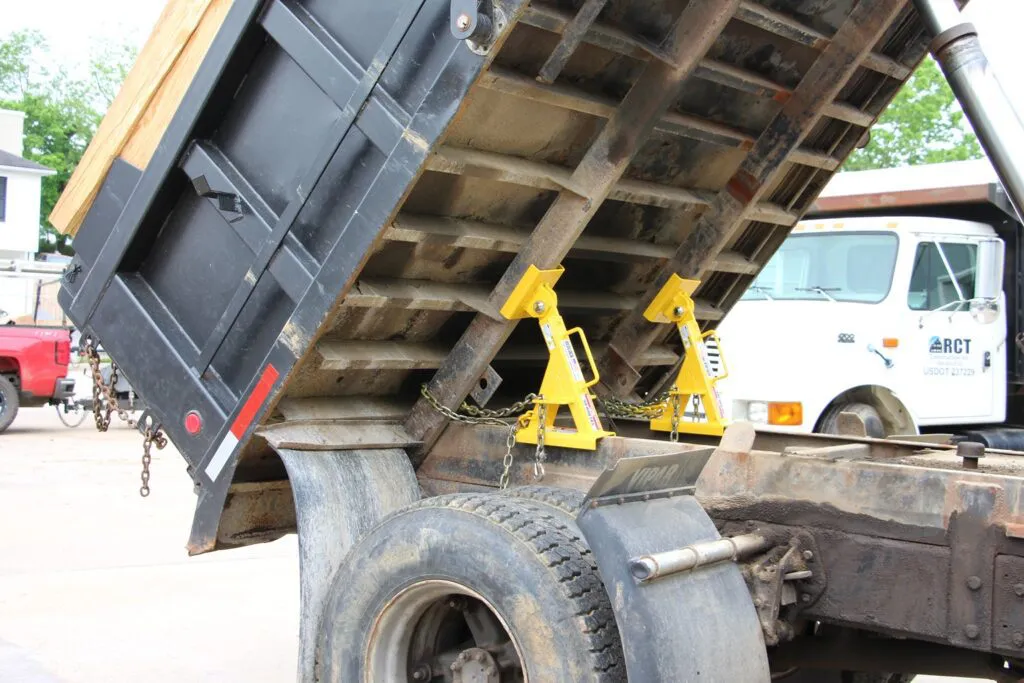

The waste management industry operates in one of the most demanding and high-risk environments in transportation. From refuse collection routes to industrial roll-off hauling, operators face daily challenges involving heavy loads, moving machinery, traffic hazards, and complex vehicle systems. While driver safety often receives the spotlight, maintenance crews working behind the scenes face equally serious risks.
Creating a true Safety First culture means protecting workers at every stage of operation — from pre-trip inspection to post-repair maintenance. This is particularly important for fleets operating refuse and roll-off trucks, where elevated bodies, hydraulic systems, and tight maintenance spaces increase the potential for workplace accidents.
BedLock Safety Products LLC supports this broader approach to waste management truck safety by providing engineered truck bed locks, designed to protect technicians during critical repair work.
Understanding the Unique Risks of Waste Management Vehicles
Refuse and roll-off trucks differ significantly from standard fleet vehicles. These trucks operate under demanding conditions, performing repetitive lifting, compacting, and dumping cycles throughout the day. Their hydraulic systems work continuously, and the vehicles themselves often carry uneven or shifting loads.
This creates several maintenance-related hazards, including:
· Hydraulic pressure failure
· Unexpected body movement
· Limited maintenance access
· Heavy component servicing
· High-cycle wear and fatigue
Because of these factors, refuse truck maintenance requires more than routine repair procedures — it demands specialized safety planning.
Safety Starts Before the Truck Leaves the Yard
A strong Safety First culture begins with preventive habits. Pre-trip inspections play an essential role in identifying leaks, damaged hydraulic components, worn hinges, or frame issues before they escalate into larger problems.
Drivers and fleet teams should routinely inspect:
· Hydraulic cylinders and hoses
· Body lifting mechanisms
· Frame integrity
· Safety latches and supports
· Warning systems and controls
These inspections reduce road hazards while also helping maintenance teams prepare for safer repairs later in the vehicle lifecycle.
However, inspections alone are not enough. Safe operation must be matched by safe servicing.
Why Post-Repair Safety Matters Just as Much
Once a refuse or roll-off truck enters the repair facility, risk does not disappear — it changes form.
Working beneath raised bodies introduces some of the most dangerous conditions in fleet maintenance. Hydraulic systems can lose pressure unexpectedly, and unsupported truck bodies may shift without warning.
This is where engineered truck bed locks become critical.
Unlike improvised methods or outdated support techniques, BedLock systems provide mechanical stability designed specifically for elevated truck body maintenance. These solutions help create safer conditions during roll-off truck safety procedures and post-repair inspections.
How BedLock Supports a Safety-First Maintenance Culture
BedLock Safety Products LLC understands that workplace safety is not about a single tool — it is about creating reliable systems that support safe habits.
Their engineered truck repair safety equipment helps maintenance teams work with greater confidence and consistency.
BedLock products include:
BL-450A/B
Designed for smaller and compact applications where controlled support and accessibility are essential.
BLN-450A/B — The Notched BedLock
Ideal for trucks with limited frame access caused by welded or bolted modifications frequently found in specialized waste vehicles.
BL-600A/B
A versatile support option commonly used for standard fleet maintenance operations.
BL-700A/B
Featuring wider base support for heavier trucks requiring enhanced stability.
BL-800A/B
Built for demanding environments where maximum support and durability are required.
Together, these systems provide scalable dump bed safety stands capable of supporting diverse fleet requirements.
Moving Beyond Improvised Support Methods
Despite modern safety standards, some facilities still rely on makeshift supports during truck body maintenance. Wooden blocks, unsecured chains, or improvised stands may appear convenient, but they introduce uncertainty into the repair process.
These methods often:
· Lack certified load ratings
· Shift under pressure
· Require constant repositioning
· Create inconsistent support points
A Safety First culture cannot depend on unpredictable solutions.
BedLock’s engineered truck bed locks eliminate this uncertainty by providing dependable support designed for heavy-duty maintenance environments.
Protecting Technicians Builds Stronger Operations
When technicians feel protected, operational performance improves.
Reliable truck repair safety equipment allows maintenance teams to focus on diagnostics and repair quality rather than worrying about unstable support systems. This confidence improves efficiency, reduces hesitation, and helps prevent costly downtime caused by incidents or unsafe setups.
For waste management companies, protecting technicians also protects productivity and workforce retention.
A safer shop environment leads to:
· Reduced injury-related disruptions
· Lower liability exposure
· Improved maintenance quality
· Greater employee confidence
· Stronger operational continuity
This demonstrates how waste management truck safety extends far beyond roadway compliance.
Creating a Company-Wide Safety Mindset
The strongest safety programs are built around culture, not simply compliance.
Organizations committed to refusing truck maintenance safety often reinforce consistent practices such as:
· Mandatory use of truck bed locks
· Routine equipment inspections
· Ongoing safety training
· Hazard reporting systems
· Leadership accountability
When drivers, technicians, and managers share responsibility for safety, the entire operation becomes stronger.
Safety from Start to Finish
Creating a Safety First culture in waste management means recognizing that protection must extend beyond the driver’s seat. From pre-trip inspections to post-repair servicing, every stage of vehicle operation carries responsibility.
BedLock Safety Products LLC supports this mission through engineered truck bed locks and professional truck repair safety equipment designed for the realities of refuse and roll-off truck maintenance.
When safety becomes part of everyday operations, companies protect not only their workforce, but also their long-term success.
Visit their website or contact them for details.
Author Bio
Ryan Mitchell is a copywriter focused on industrial safety, transportation, and heavy equipment industries. He creates practical, reader-friendly content that helps businesses communicate technical topics clearly. Outside of copywriting, he enjoys photography, restoring vintage machinery, and following developments in commercial trucking and workplace safety innovation.



























Sign in to leave a comment.