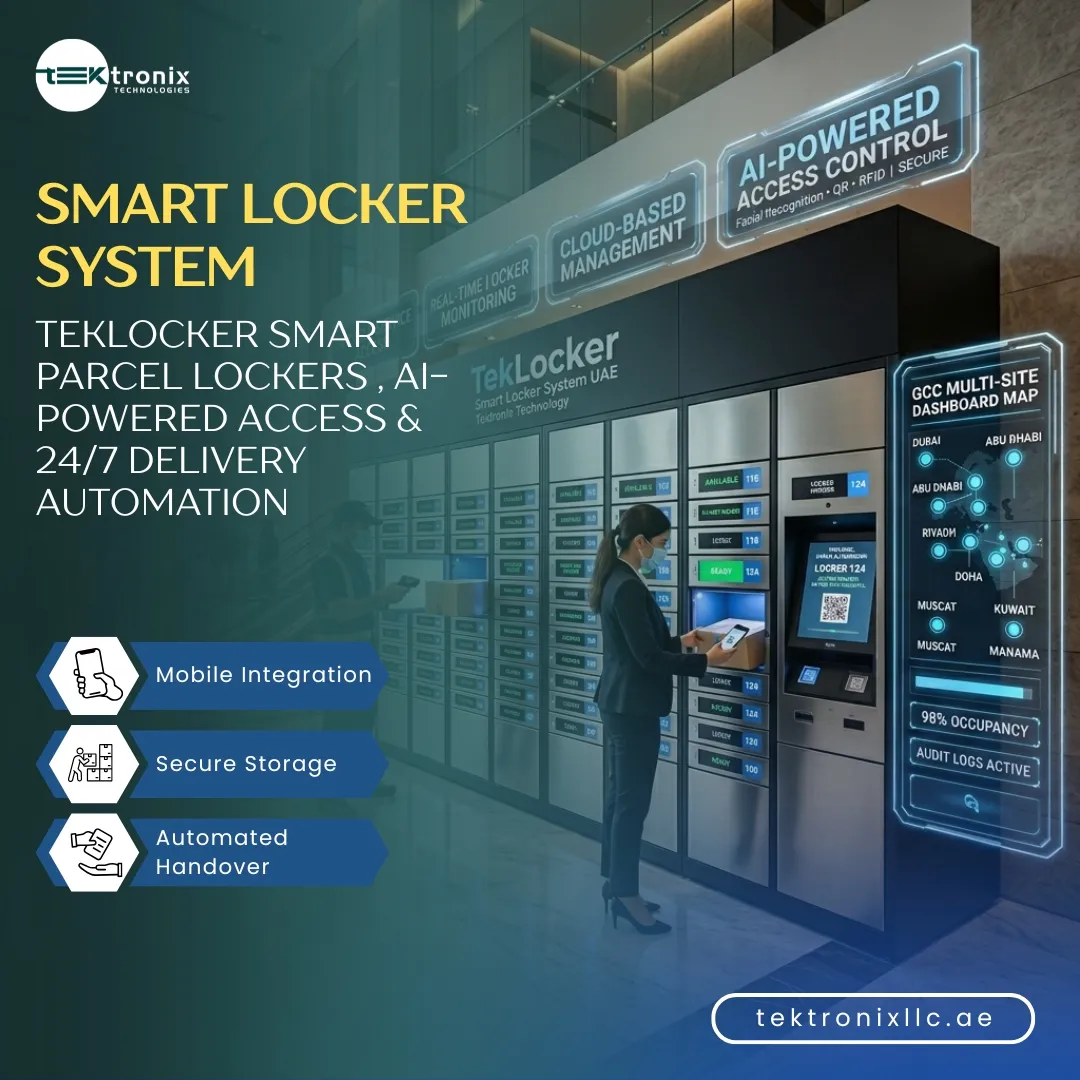

UAE hotels and resorts are elevating guest service with a premium Smart Locker System that lets guests store luggage, retrieve parcels, and access shared amenities without waiting at a front desk. As five-star towers and boutique properties compete on convenience as much as design, self-service locker banks are becoming a visible, guest-facing upgrade rather than a back-of-house afterthought.
Why UAE Hotels Are Investing in Premium Locker Technology
Guest expectations have shifted alongside the rest of the region's hospitality economy: travellers arriving from long-haul flights want to drop luggage instantly, spa and pool guests want a secure place for valuables without queuing at a counter, and staff want fewer manual handoffs that create liability if an item goes missing. A locker bank sitting in a lobby or pool deck answers all three at once, provided it is specified with hospitality-grade reliability rather than the lighter-duty hardware built for gyms or offices.
Tektronix LLC has supplied and commissioned self-service technology for developments linked to G42, DIFC, RTA Dubai, and EXPO 2020, giving the company practical experience with high-footfall public environments long before hospitality became a dedicated focus. That background carries over directly into hotel deployments, where uptime, guest data handling, and integration with existing front-desk software matter as much as the physical locker cabinet itself.
Understanding the Modern Locker System Category
Today's premium Locker System bears little resemblance to the mechanical padlock banks once common in hotel back offices. Modern platforms authenticate guests electronically, log every open and close event, and connect back to a central management console rather than operating as isolated, unconnected hardware.
From Mechanical Padlocks to Connected Platforms
A padlock or numbered key only proves someone had physical possession of it; a connected platform proves who accessed a specific compartment and precisely when, closing an accountability gap that has always existed with traditional hotel storage.
What 'Smart' Actually Means for Guest-Facing Lockers
A truly smart locker system ties compartment assignment to a guest's actual stay dates, integrates with property software, and reports usage and faults remotely, rather than simply replacing a key with a keypad.
Understanding the Smart Locker for Hotels Category
A Smart Locker for Hotels differs from a generic storage locker in three ways: it authenticates the guest electronically rather than relying on a physical key, it logs every open and close event for accountability, and it typically ties into the property's booking or guest-profile system so access can be time-limited to a stay's actual check-in and check-out dates.
This category spans several physical formats, from small parcel lockers behind the concierge desk to full-height luggage bays near a lobby entrance, and even climate-aware compartments for spa robes or wet swimwear. The common thread across formats is that a guest, not a staff member, performs the retrieval, which removes a recurring labor cost while giving guests a sense of control over their own belongings.
Core Technology: Electronic Locker System Architecture
Underneath the guest-facing panel sits an Electronic Locker System responsible for the actual locking, unlocking, and event logging for every compartment in a bank. Unlike a mechanical combination lock, each door is driven by a solenoid or motorized latch controlled by a central board, allowing remote release, scheduled lockouts, and instant status reporting back to hotel management.
Locking Mechanisms and Hardware
Electronic strike locks and motorized latches are the two most common mechanisms in hospitality deployments, chosen for quiet operation in guest-facing lobbies compared to the louder solenoids sometimes found in industrial parcel rooms.
Power, Connectivity, and Failover
Locker banks typically run on a low-voltage power supply with battery backup sufficient to release doors during a short outage, so guests are never locked out of their own belongings even during a brief connectivity or power interruption.
Digital Locker System Design for Guest-Facing Environments
A well-designed Digital Locker System has to work for a guest who has never used the hardware before and may be tired, jet-lagged, or unfamiliar with the local language. Touchscreen interfaces, compartment-size indicators, and clear multi-step prompts reduce the support calls that a confusing interface would otherwise generate at the front desk.
Interface Design for First-Time Guest Use
Large touch targets, a visible countdown timer during active retrieval, and a single confirmation screen before a door releases all reduce hesitation and mis-taps, which matter more in a lobby setting than in an internal staff-only application where users are already trained on the hardware.
Multi-Language and Accessibility Support
Given the international guest mix typical of UAE hotels, interfaces commonly rotate through English, Arabic, and several other languages, with audio prompts and larger text modes supporting guests who need additional accessibility accommodations.
Introducing TekLocker: Tektronix LLC's Purpose-Built Hospitality Platform
Tektronix LLC's own TekLocker platform was engineered specifically for the guest-facing demands of Gulf hospitality environments, combining hardware and software from a single vendor rather than bundling components sourced from unrelated suppliers.
Hardware and Software Engineered Together
Because the locking mechanism, guest interface, and management software are developed as one platform, updates and troubleshooting move faster than with mixed-vendor installations where a fault can sit unresolved while suppliers debate which component is responsible.
Regional Manufacturing and Support Advantage
A regionally supported platform means replacement parts, technician visits, and software updates do not depend on an international supply chain, a meaningful advantage for hotels that cannot afford extended downtime on a guest-facing locker bank.
Face Recognition Locker Access for Frictionless Retrieval
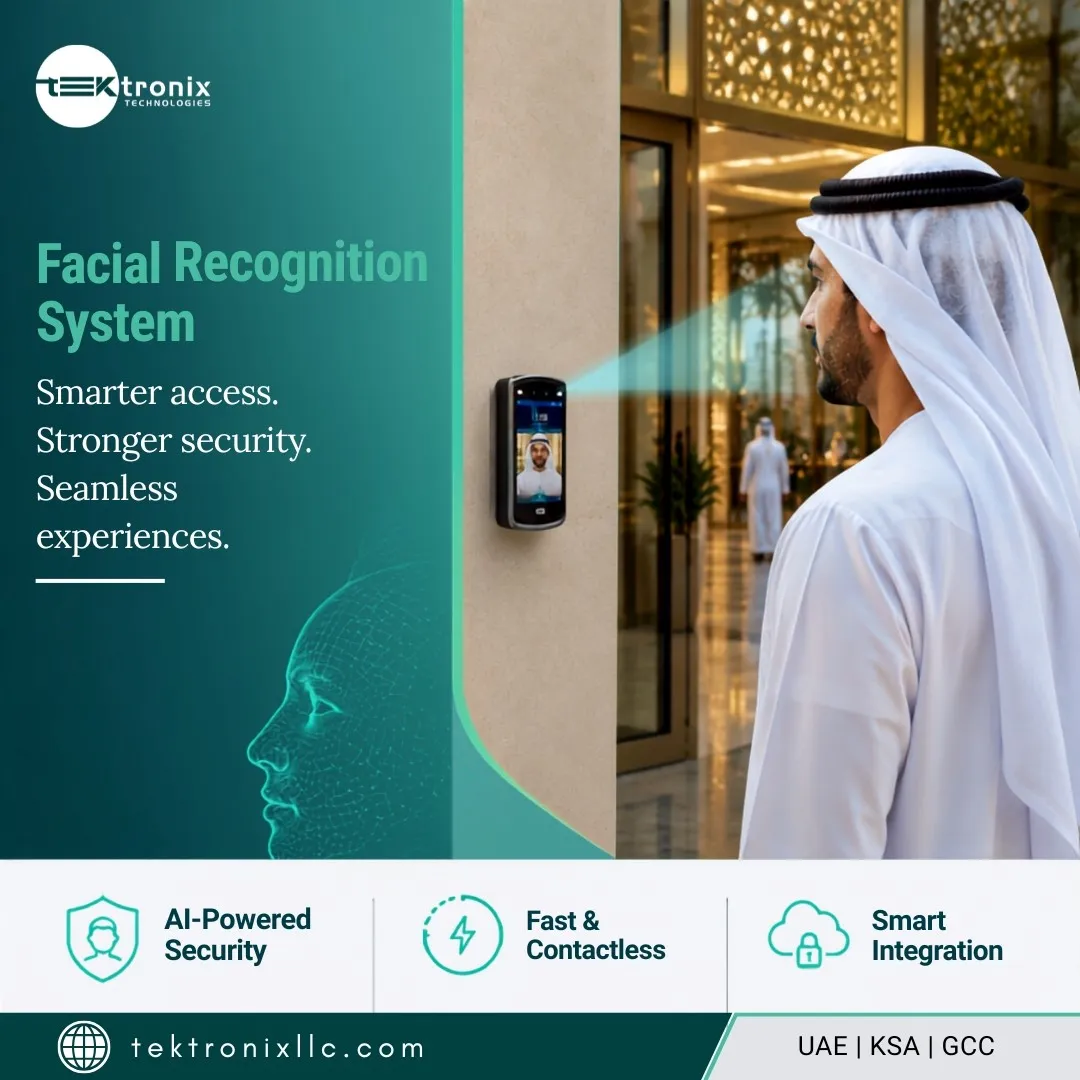
For repeat guests or long-stay residences, Face Recognition Locker Access removes the need for any physical token at all. A guest simply approaches an enrolled compartment, and the system authenticates them against a profile created at check-in, releasing the correct door without a card, code, or phone app.
Biometric Enrollment at Check-In
Enrollment is typically folded into the existing check-in workflow, capturing a facial template alongside the guest's booking details so the process adds only a few seconds rather than requiring a separate registration step later in the stay.
Anti-Spoofing and Guest Privacy Safeguards
Liveness detection prevents a photograph or video from triggering a false match, while templates are stored as encrypted data rather than raw images and are automatically purged after checkout, addressing the privacy concerns guests reasonably raise about biometric capture in a hospitality setting.
Locker Management Software and Backend Integration
None of the guest-facing convenience works reliably without capable Locker Management Software running behind the scenes to track compartment status, guest assignments, and access history across every bank on a property.
Property Management System Integration
Linking the locker platform to the hotel's property management system means a guest's locker assignment can be created and revoked automatically alongside their room booking, rather than requiring a separate manual entry by front-desk staff for every arrival and departure.
Analytics, Remote Monitoring, and Fault Alerts
Centralized dashboards give facilities teams visibility into compartment utilization, average retrieval times, and any door that has failed to latch correctly, allowing a technician to be dispatched before a guest ever encounters a fault rather than after a complaint is raised.
Industry Use Cases Across UAE Hospitality
Luggage Storage and Bell Desk Support
Early-arrival and late-checkout guests can drop bags into a self-service bank rather than queuing at the bell desk, freeing porters to focus on in-room delivery and reducing the informal pile of suitcases that often accumulates behind a concierge counter during peak season.
Parcel and Amenity Delivery Lockers
Online orders, laundry returns, and room-service overflow items can be placed into a guest's assigned compartment for retrieval on their own schedule, particularly useful for guests who are out during the day and would otherwise miss a delivery window.
Spa, Pool, and Gym Locker Use
Wellness facilities benefit from self-service compartments for valuables during treatments or workouts, with short-duration access windows tied to a guest's spa booking or gym check-in rather than a shared key that circulates among multiple guests throughout the day.
Staff and Back-of-House Applications
Beyond guest-facing lobbies, the same underlying hardware secures staff personal-item lockers, uniform distribution points, and shift-handover storage, giving HR and operations teams the same accountability benefits that guests experience at the front of house.
Compliance, Data Privacy, and Regional Regulatory Fit
Hotels handling biometric or guest-profile data are expected to demonstrate reasonable safeguards around storage, retention, and deletion, particularly as UAE data protection expectations continue to mature across the hospitality sector. Encrypting stored templates, limiting retention to the guest's actual stay, and maintaining a clear audit trail of every access event all support a property's ability to respond confidently to a guest data request or an internal compliance review.
Total Cost of Ownership: Smart Lockers Versus Manual Storage
A staffed luggage room or key-based locker bank carries ongoing costs that are easy to underestimate: staff time spent retrieving items on request, replacement keys for lost tokens, and the occasional dispute over a missing or misplaced item with no logged record to resolve it. A self-service, electronically logged locker bank shifts most of that routine handling back to the guest while creating a timestamped record for every interaction. Properties comparing the two approaches typically find that the labor savings alone, combined with fewer liability disputes, offset the hardware investment within a reasonable payback period.
Deployment Roadmap: What to Expect
Site Assessment and Space Planning
Installers assess lobby footprint, guest flow patterns, available power and network drops, and compartment size mix before finalizing a bank configuration, ensuring the finished installation fits both the physical space and the property's actual mix of luggage, parcel, and amenity storage needs.
Installation, Software Configuration, and Staff Training
Physical installation is typically the fastest phase; more time is spent configuring integration with the property management system, setting access rules, and training front-desk and housekeeping staff on override procedures. Properties planning a rollout can review Tektronix LLC's TekLocker solutions to see how hardware, software, and integration are typically packaged for a single, coordinated hotel deployment.
Ongoing Support and Firmware Updates
Remote firmware updates keep authentication accuracy current without a technician visiting every bank, while a responsive local support contract ensures a single faulty compartment does not take an entire bank offline during high-occupancy periods.
Common Mistakes to Avoid When Specifying Hotel Lockers
The most frequent misstep is treating a hotel locker bank as purely a hardware purchase, choosing units on price alone without confirming they can integrate with the property's existing booking and access control platforms. A second common issue is neglecting guest-facing usability testing before go-live, resulting in confusing interfaces that generate more front-desk calls than the manual process they replaced.
A third issue is underestimating battery backup and network failover planning, which can leave guests unable to retrieve stored valuables during a power or connectivity interruption, precisely the moment a hotel's reputation for reliability matters most.
Choosing the Right Locker Configuration for Your Property
Compartment mix is the most common specification mistake in hospitality locker projects. A property with a high proportion of family suites and long layovers needs more full-height luggage bays, while a business-focused hotel with frequent day-use bookings may need a larger share of small parcel and valuables compartments instead. Ordering a generic, evenly split configuration without reviewing actual guest mix data often leaves one compartment size perpetually full while another sits empty.
Sizing Compartments to Actual Guest Mix
A short review of historical bell-desk and parcel-room volume, broken down by item type and size, is usually enough to right-size a bank before ordering, avoiding the awkward situation of guests being turned away from a full luggage section while smaller compartments remain unused nearby.
Placement and Guest Flow Considerations
Locker banks placed directly in a guest's natural path between the entrance and elevators see far higher voluntary use than units tucked into a side corridor, since visibility does much of the work of encouraging self-service adoption without staff needing to actively direct guests toward the technology.
Frequently Overlooked Operational Details
Beyond hardware selection, a handful of operational details determine whether a locker rollout actually reduces front-desk workload or simply adds a second system staff must also manage. Housekeeping and security teams need a clear escalation path for compartments that fail to release on the first attempt, ideally resolved through the same override credential used for lost codes rather than a separate maintenance ticket process that delays a waiting guest.
Cleaning and odor control also deserve early planning, particularly for spa and pool-adjacent banks handling wet swimwear or towels, where compartments need adequate ventilation and a housekeeping schedule that does not conflict with active guest bookings. Finally, seasonal capacity planning matters in a market with pronounced peak periods: a bank sized comfortably for average occupancy can still create queues during major events or holiday periods unless the property has modeled its true peak-day locker demand rather than a year-round average.
Regional Adoption: Smart Locker System UAE and Dubai Deployments
Demand for a properly integrated Smart Locker System UAE wide has grown alongside the country's continued hospitality expansion, with new hotel openings increasingly specifying self-service storage as a standard lobby feature rather than an optional upgrade. Smart Locker System Dubai hotels adopt frequently pairs biometric or card-based access with multilingual interfaces to suit the emirate's especially international guest mix, while integration with high-volume property management platforms remains the deciding factor for large chain properties choosing between competing locker vendors.
Conclusion
For UAE hotels looking to modernize guest storage, a premium Smart Locker System starts with a genuinely modern Locker System foundation built for a hospitality Smart Locker for Hotels application.
A reliable Electronic Locker System paired with a guest-friendly Digital Locker System interface, delivered through Tektronix LLC's own TekLocker platform, keeps lobbies moving smoothly.
Consent-based Face Recognition Locker Access gives guests a card-free retrieval option, coordinated behind the scenes by capable Locker Management Software.
Tektronix LLC's regional installation experience, from EXPO 2020 venues to DIFC-linked developments, brings that specification expertise into every hospitality project.
Properties evaluating a Smart Locker System Dubai or wider Smart Locker System UAE rollout can review the full locker lineup on Tektronix LLC's TekLocker product page.
Frequently Asked Questions
1. How do guests typically authenticate at a hotel smart locker?
Most properties offer more than one method, commonly a QR code or card sent at booking or check-in, a facial authentication option for enrolled guests, or a staff-issued PIN for guests who prefer not to use either.
2. What happens if a guest loses their phone or forgets their access code?
Front-desk staff can use a manager-level override tied to the guest's booking record to release the correct compartment, so a lost phone never permanently locks a guest out of their own belongings.
3. Is biometric guest data stored permanently by the locker system?
No. Properly configured systems store facial templates only for the duration of a guest's stay and automatically purge them after checkout, rather than retaining biometric data indefinitely.
4. Can a smart locker system integrate with an existing property management system?
Yes, most modern platforms are built to integrate with common property management systems, allowing locker assignments to be created and revoked automatically alongside a guest's room booking.
5. How long does installation take for a typical hotel lobby locker bank?
Physical installation for a standard lobby bank is usually completed within a few days, while full software integration, staff training, and go-live testing typically extend the overall project timeline to a few weeks.



























Sign in to leave a comment.