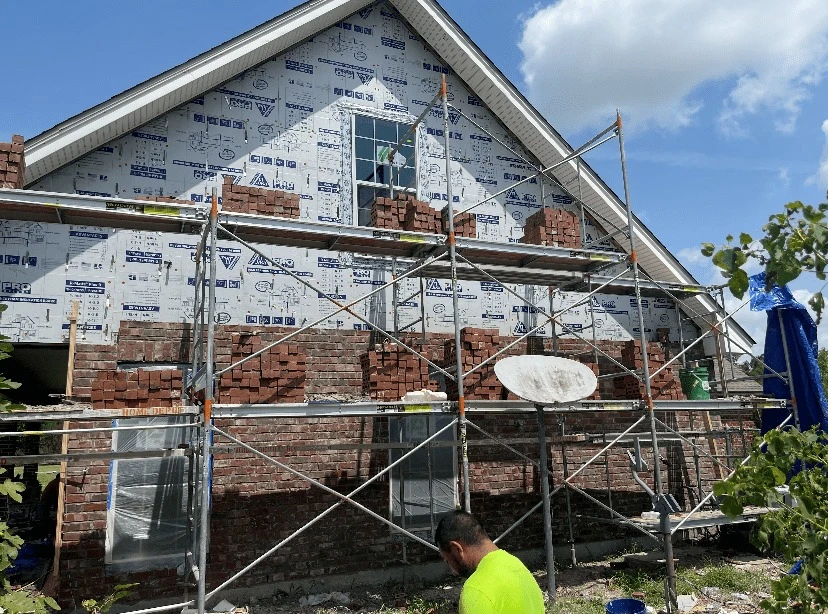

A new roof installation is a major home improvement project that enhances both the protection and value of your property. While professional contractors handle the technical work, homeowners play an important role in ensuring the process goes smoothly. Proper preparation can reduce stress, prevent accidental damage, and help the project stay on schedule. Understanding what steps to take before the installation begins allows you to protect your belongings, maintain safety, and create a positive experience from start to finish.
Steps Homeowners Should Take Before Work Begins
Before your new roof installation project starts, it is essential to prepare your home and surrounding areas. Begin by confirming the project timeline with your contractor so you know when materials will arrive and when work crews will be present. This helps you plan your schedule and avoid disruptions to daily routines.
Clear your driveway and nearby spaces to allow easy access for work vehicles, dumpsters, and equipment. Roofing materials can be heavy and bulky, so having an open area for unloading improves efficiency and safety. If you have vehicles parked near your home, move them to a secure location away from the work zone to prevent accidental damage from falling debris.
It is also wise to inform your neighbors about the upcoming new roof installation. Roofing projects often involve noise, vibrations, and increased activity around your property. Providing advance notice demonstrates courtesy and helps avoid misunderstandings.
Protecting Landscaping and Outdoor Areas
Your landscaping and outdoor features deserve attention before roofing work begins. Falling shingles, nails, and debris are common during a new roof installation, which can potentially harm plants, garden beds, or outdoor furniture. Taking preventative measures reduces the risk of damage and cleanup time afterward.
Cover delicate plants, shrubs, and flower beds with breathable tarps or protective sheets. Avoid using plastic directly on plants for extended periods, especially in warm climates, as it can trap heat and cause damage. If possible, temporarily relocate potted plants, patio furniture, grills, and decorative items away from the home’s perimeter.
You should also mark any sprinkler systems, landscape lighting, or underground features so the roofing team can avoid them when placing ladders or equipment. Clear communication about these areas ensures they remain intact throughout the new roof installation process.
Interior Preparation and Safety Considerations
Many homeowners are surprised to learn that a new roof installation can impact the interior of the home as well. Vibrations from hammering and movement on the roof may travel through walls and ceilings. Preparing your interior spaces helps prevent accidental damage and ensures safety for everyone inside.
Start by removing fragile items such as picture frames, mirrors, and decorative pieces from walls and shelves, particularly on upper floors or near the attic. Vibrations can cause items to shift or fall unexpectedly. Secure heavy furniture and valuables if they are located beneath the roofline.
If you have an attic, consider covering stored belongings with sheets or tarps to protect them from dust or debris that may enter during construction. Roofing work can loosen particles that fall into attic spaces, so extra protection keeps items clean.
Families with children or pets should establish safe indoor areas away from construction zones. Loud noises and unfamiliar activity can cause stress for animals and young children, so creating a calm environment inside the home is beneficial during the new roof installation.
Communicating with Your Roofing Team
Effective communication with your roofing professionals is one of the most important aspects of a successful project. Before work begins, discuss expectations, access points, working hours, and any specific concerns you may have about your property.
Ask questions about material delivery, cleanup procedures, and how the team will protect your home during the new roof installation. Understanding the process helps you feel more confident and prepared. If you have special requests, such as protecting certain landscaping features or maintaining access to specific areas, communicate them clearly in advance.
It is also helpful to designate a primary contact person for updates and questions throughout the project. This prevents confusion and ensures that any issues are addressed promptly. A collaborative approach between homeowners and contractors contributes to a smoother experience and better results.
What to Expect During Installation Day
Installation day for a new roof installation can be busy and noisy, but knowing what to expect makes the experience easier to manage. Work typically begins early in the morning, with crews arriving to set up equipment, safety barriers, and material staging areas.
You may hear constant hammering, movement, and debris removal throughout the day. While this is normal, it can be disruptive if you are working from home. Some homeowners choose to spend time away from the property during peak construction hours to minimize inconvenience.
During the installation, contractors will remove old roofing materials, inspect the underlying structure, and install new components such as underlayment, flashing, and shingles. Safety measures are typically in place to protect both workers and residents, but maintaining awareness of restricted areas around your home is important.
Cleanup is usually performed at the end of each workday, including debris removal and magnetic sweeping to collect stray nails. Once the new roof installation is complete, a final inspection ensures everything meets quality standards and expectations.
Conclusion:
Proper preparation makes a new roof installation more efficient and helps protect your home and belongings during the process. By taking time to organize your property, safeguard interior and exterior spaces, and communicate clearly with your roofing team, you create the foundation for a successful project. A well-planned approach not only reduces stress but also ensures that your investment delivers long-lasting protection and value for your home.
























Sign in to leave a comment.