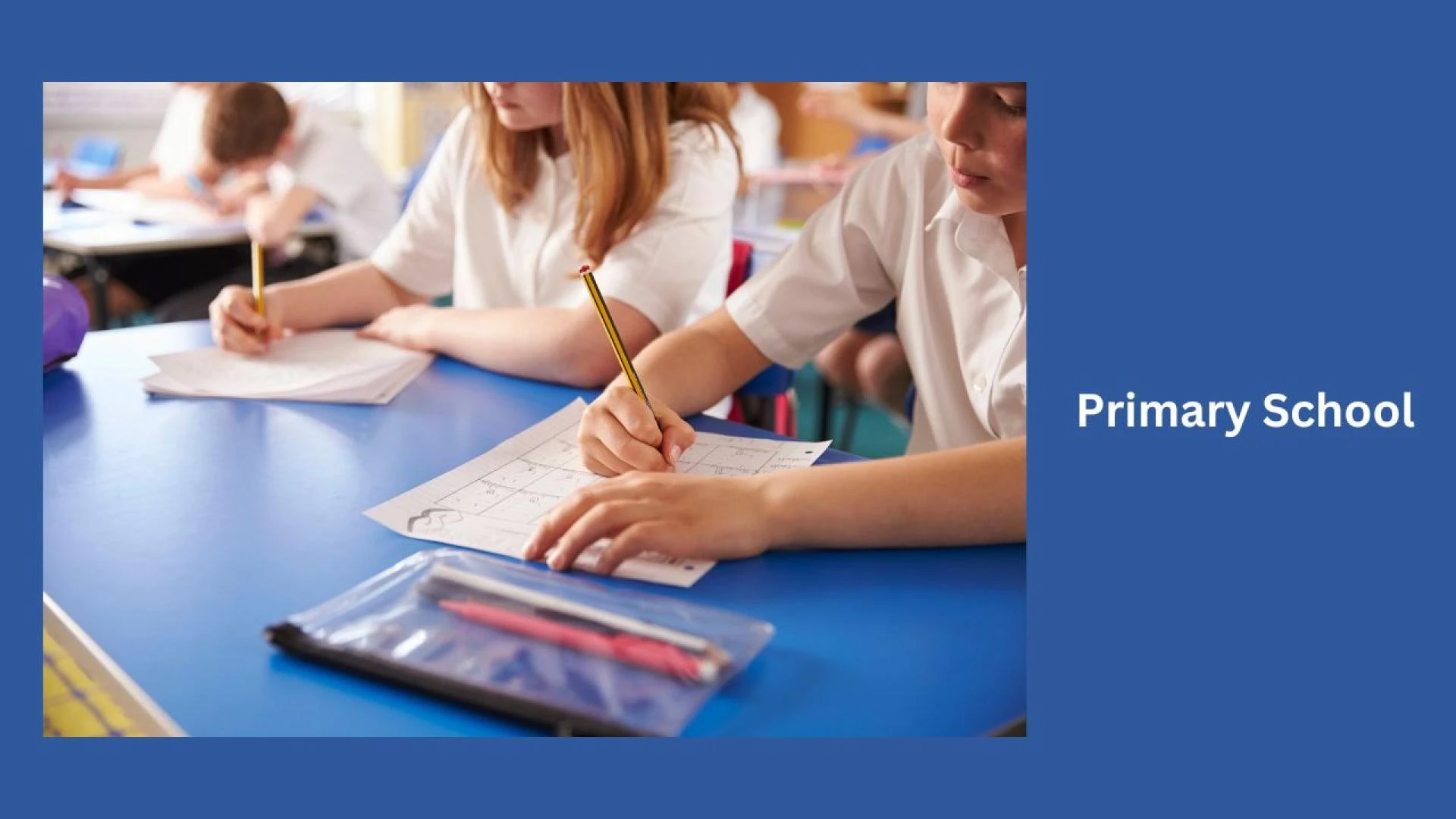

Primary school, often the first formal step in a child's educational journey, plays a pivotal role in shaping their future. This crucial phase lays the foundation for lifelong learning, social development, and personal growth. As we navigate through the complexities of education in a post-pandemic world, the significance of primary school in a child's life cannot be overstated.
The Foundation of Learning in Primary School
The primary school years are critical for developing fundamental skills in literacy and numeracy. During this period, children learn to read, write, and understand basic mathematical concepts. These skills are not just academic necessities; they form the bedrock upon which all future learning is built. Without a strong grasp of these basics, children may struggle in later years, finding it challenging to catch up with their peers.
Social and Emotional Development
Primary school is also a vital stage for social and emotional development. It is here that children first learn to interact with peers, develop friendships, and understand social norms. Emotional intelligence, including empathy, self-awareness, and self-regulation, begins to take shape in these formative years. These skills are crucial for personal well-being and success in both academic and non-academic spheres.
The Role of Technology in Primary Education
Technology has become an integral part of education, and its incorporation into primary schooling offers numerous benefits. Interactive learning apps, educational games, and online resources can enhance engagement and aid in the understanding of complex concepts. However, it's important to balance technology use with traditional teaching methods to ensure a well-rounded educational experience.
Nurturing Creativity and Curiosity
Primary education should not be limited to academic learning alone. It's a time to nurture creativity, curiosity, and a love for learning. Activities like art, music, and drama play a significant role in developing creative thinking and problem-solving skills. Encouraging curiosity and exploration helps children develop a positive attitude towards learning, which can last a lifetime.
Physical Development and Health
The importance of physical education and health in primary school cannot be understated. Regular physical activity is essential for physical health, and it also contributes to better concentration and mental well-being. Healthy eating habits, basic hygiene, and understanding the importance of physical fitness are lessons that benefit children throughout their lives.
Preparing for Future Challenges
Primary education also plays a key role in preparing children for the challenges of the future. In an ever-changing world, skills like adaptability, critical thinking, and resilience are increasingly important. A strong primary education equips children with these skills, enabling them to navigate future academic and life challenges more effectively.
The Impact of Teacher Quality
The quality of teaching in primary schools has a profound impact on students' learning outcomes. Passionate and skilled teachers can inspire a love for learning, foster a positive learning environment, and cater to the diverse needs of their students. Investing in teacher training and development is crucial for the overall quality of primary education.
Parental Involvement
The role of parents in primary education is pivotal. Parental involvement in school activities, homework, and regular communication with teachers can greatly enhance a child's educational experience. Parents who are engaged in their child's education often see a positive impact on their academic performance and attitude towards school.
Addressing Learning Gaps
Identifying and addressing learning gaps early is critical in primary education. Early intervention can prevent these gaps from widening and ensure that all children have the opportunity to succeed. Regular assessments and personalized support can help in identifying and addressing these gaps effectively.
The Transition to Secondary Education
The transition from primary to secondary school is a significant step in a child's life. Primary education plays a crucial role in preparing children for this transition. By the end of primary school, children should have developed the skills, knowledge, and confidence needed to tackle the challenges of secondary education.
In conclusion, primary school is much more than just a preparatory stage for higher education. It's a critical period that shapes a child's future in myriad ways, from academic skills and social development to emotional well-being and physical health. Ensuring high-quality primary education is not just an educational imperative; it's an investment in the future of our children and society.























Sign in to leave a comment.