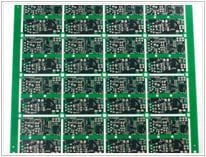

In the globe of electronics, understanding printed circuit board assembly or PCBA is essential for professionals and hobbyists alike. Whether you are crafting a new gadget or refining a complex device, PCBs serve as the backbone of modern technology.
What is a Printed Circuit Board Assembly?
It is the process of connecting various electronic components to a printed circuit board (PCB). This creates a functional electronic device. The PCB itself is a flat sheet that supports and electrically connects components using conductive pathways etched from copper sheets. These pathways are crucial for transmitting signals and power across the board.
Importance of PCB Assembly
PCB assembly is vital because it lays the foundation for virtually all electronic devices. From smartphones to medical equipment, the quality of PCB assembly impacts device performance and reliability. A well-assembled PCB ensures that all components work harmoniously, reducing the risk of malfunctions and extending the product\'s lifespan.
Basic Components of a PCB
A typical PCB contains several layers, including:
- Substrate: The base material, usually made of fiberglass, providing structural support.
- Copper Layer: Conductive pathways for electricity.
- Solder Mask: A protective layer that prevents short circuits.
- Silkscreen: Markings for component placement and identification.
Each layer has a specific role in making the PCB functional and durable, ensuring seamless operation in electronic devices.
Essential Tips for Effective PCB Assembly
Mastering PCB assembly requires attention to detail and a deep understanding of the process. Here are some essential tips to help you achieve optimal results.
Tip 1: Design for Manufacturability
Designing a PCB with manufacturability in mind simplifies the assembly process and reduces the risk of errors. Consider the following design principles:
- Component Placement: Ensure components are placed logically and with enough space to avoid overcrowding.
- Trace Width and Spacing: Maintain adequate trace width and spacing to handle the current load and prevent short circuits.
- Thermal Management: Incorporate thermal reliefs and heat sinks to manage heat dissipation effectively.
By adhering to these principles, you can create a design that is both functional and easy to manufacture, minimizing potential issues during assembly.
Tip 2: Choose Quality Components
The components you select for your PCB greatly influence its performance and reliability. Opt for high-quality, reputable components to ensure long-lasting functionality. Consider factors such as:
- Component Ratings: Ensure components can handle the required voltage and current levels.
- Compatibility: Verify that components are compatible with your PCB design and other parts.
- Supplier Reliability: Source components from reliable suppliers to avoid counterfeit or substandard parts.
Investing in quality components may have a higher upfront cost, but it pays off in the long run through enhanced device performance and longevity.
Tip 3: Soldering Techniques
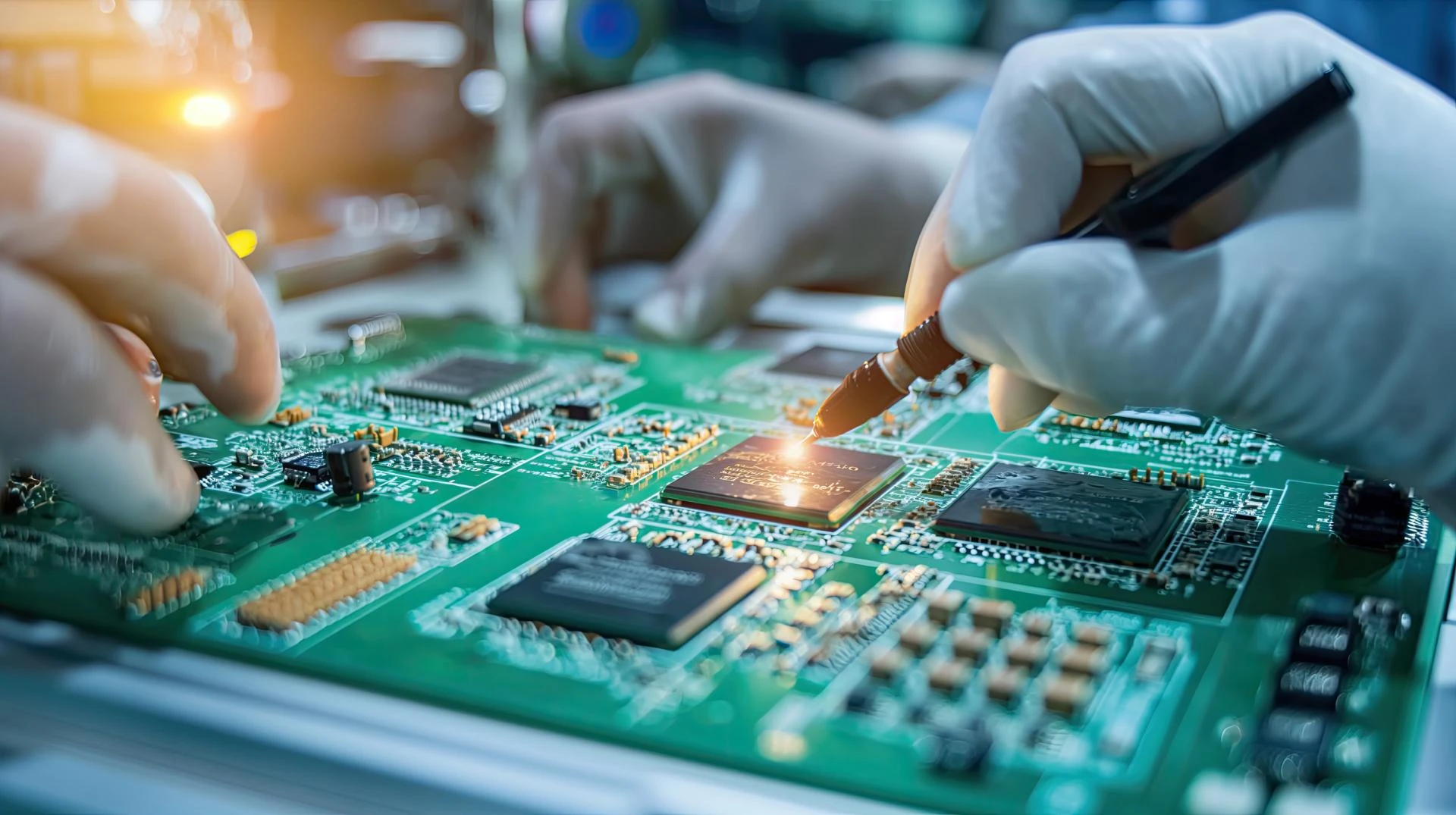
Soldering is a critical step in PCB assembly, requiring precision and skill. Here are some techniques to improve your soldering process:
- Use the Right Solder: Choose solder with an appropriate lead-tin ratio (or lead-free solder) for your application.
- Proper Heating: Use a soldering iron with adjustable temperature control to avoid overheating components.
- Flux Application: Apply flux to clean and prepare the surfaces for better solder adhesion.
Consistent practice and attention to detail in soldering will result in strong, reliable connections, reducing the likelihood of electrical failures.
Advanced Technologies in PCB Assembly
Innovation in PCB assembly has led to the development of advanced technologies that enhance efficiency, accuracy, and overall quality.
Surface Mount Technology (SMT)
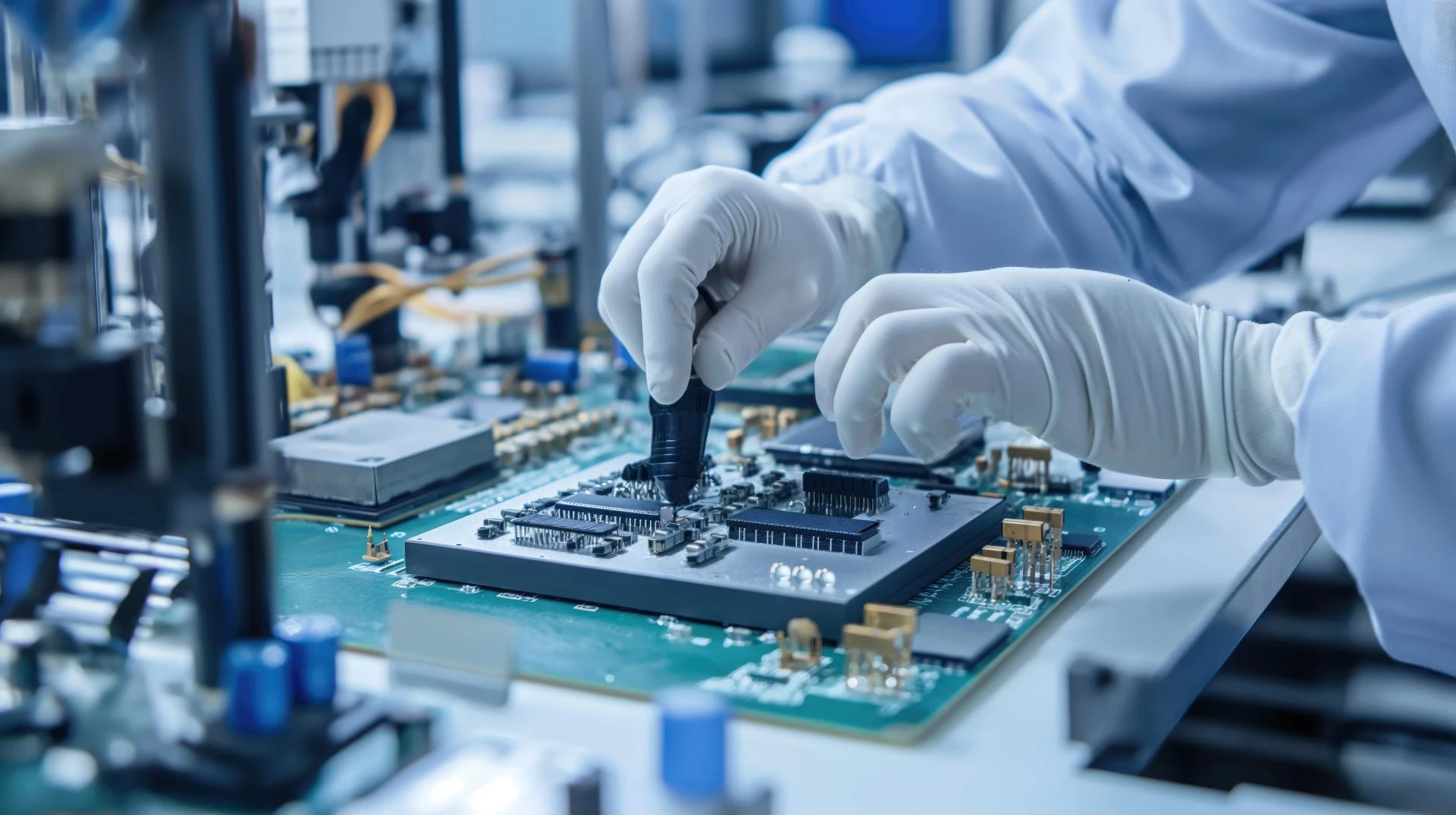
Surface Mount Technology (SMT) revolutionized PCB assembly by allowing components to be mounted directly onto the surface of the board. This technique offers several benefits:
- Space Efficiency: SMT components are smaller, enabling more compact designs.
- Automated Assembly: SMT machines can place components with high precision, speeding up the assembly process.
- Enhanced Performance: Reduced lead length minimizes parasitic inductance and capacitance, improving electrical performance.
SMT is widely used in modern electronics, making it a crucial technology for anyone involved in PCB assembly.
Through-Hole Technology (THT)
Through-Hole Technology (THT) involves inserting component leads through holes in the PCB and soldering them on the opposite side. Despite being an older method, THT still has its advantages:
- Mechanical Strength: Provides strong mechanical bonds, ideal for high-stress applications.
- Ease of Inspection: Easier to inspect and repair compared to SMT.
- Reliability: Preferred for components that require high reliability and durability.
While THT is less common in contemporary designs, it remains valuable for specific applications.
Automated Optical Inspection (AOI)
Automated Optical Inspection (AOI) systems use cameras and software to inspect PCBs for defects. This technology improves quality control by:
- Detecting Defects: Identifying issues such as soldering defects, component misalignment, and surface contamination.
- Speeding Up Inspection: Rapidly scanning PCBs, ensuring high throughput.
- Providing Feedback: Offering real-time feedback to improve the assembly process.
Integrating AOI into your assembly line can significantly enhance the quality and reliability of your PCBs.
Final Thoughts
Mastering printed circuit board assembly is essential for producing high-quality electronic devices. By understanding the fundamentals, adhering to best practices, and leveraging advanced technologies, you can achieve reliable and efficient PCB assemblies.
Remember, quality components, precise soldering, and innovative techniques like SMT and AOI are key to success!

























Sign in to leave a comment.