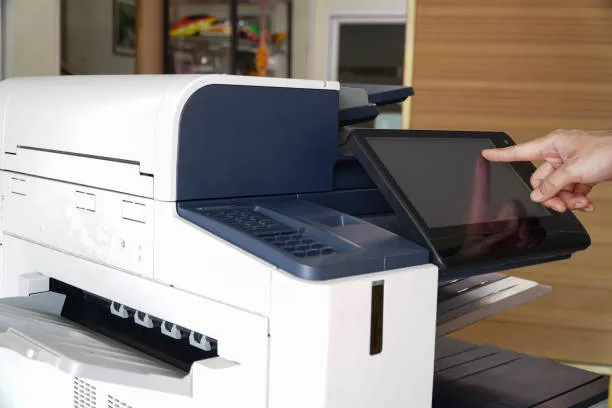

Businesses today rely heavily on efficient printing infrastructure, whether for contracts, invoices, marketing materials, or internal documentation. However, purchasing a high-end printer outright is not always the most cost-effective or flexible solution. This is where printer rental and leasing models come in.
If you’re trying to decide between a printer for rental vs. lease, understanding the differences can help you choose the option that best aligns with your budget, usage needs, and long-term business strategy.
Understanding Printer Rental and Leasing
Before comparing the two, it’s important to understand what each option actually means.
Printer Rental
A printer rental (or short-term rental agreement) allows businesses to use a printer or multifunction device for a flexible period—often weekly, monthly, or project-based. In many cases, businesses also rent copier systems as part of a bundled office solution.
This model is popular for:
- Short-term projects
- Events or exhibitions
- Seasonal business demand
- Startups testing office needs
Printer Lease
A printer lease is a longer-term contract, typically ranging from 2 to 5 years. You pay a fixed monthly fee to use the printer, often including maintenance, servicing, and consumables depending on the agreement.
Leasing is commonly chosen for:
- Established businesses with stable print needs
- Offices requiring consistent output
- Companies wanting predictable monthly costs
Key Differences Between Printer Rental and Leasing
While both options eliminate the need for large upfront investments, they serve different business goals.
1. Contract Duration
- Printer Rental: Short-term, flexible agreements
- Lease: Long-term commitment (2–5 years)
If your business requires flexibility, office printer rental is often the better choice.
2. Cost Structure
- Rental: Higher monthly cost but no long-term obligation
- Lease: Lower monthly payments spread over years
If cash flow management is a priority, leasing may seem more economical. However, rental provides freedom without being locked in.
3. Maintenance and Support
Both options usually include servicing, but the level of support can vary:
- Rental agreements often include full-service support with quick replacements
- Leasing contracts may include scheduled maintenance and optional service packages
Businesses that want hassle-free operations often prefer rental solutions, especially when they rent copier systems for temporary office setups.
4. Flexibility to Upgrade
- Rental: Easy to upgrade or switch models
- Lease: Upgrading often requires renegotiation or contract completion
Technology evolves quickly, and rental options provide greater adaptability.
5. Ownership
- Rental: You never own the printer
- Lease: Some agreements offer buyout options at the end of the term
If ownership matters to your business strategy, leasing may provide a path toward asset acquisition.
When Printer Rental Makes More Sense
Opting for a printer for rental is ideal in several scenarios:
1. Short-Term Business Needs
If you’re running a temporary office setup or project-based work, rental is the most practical choice.
2. Events and Conferences
Businesses hosting events often require high-volume printing for a short period. Instead of buying equipment, office printer rental provides a cost-effective solution.
3. Startup Flexibility
Startups often experience fluctuating needs. Rental allows them to scale up or down without financial pressure.
4. Testing Equipment Before Commitment
Rental lets you evaluate different printer models before committing to a lease or purchase.
When Leasing is the Better Option
A lease agreement is more suitable for businesses with stable and predictable printing requirements.
1. Long-Term Office Use
If your office prints consistently every day, leasing provides cost stability and reliability.
2. Budget Predictability
Fixed monthly payments help with financial planning, especially for growing businesses.
3. Access to Advanced Equipment
Leasing allows businesses to access high-performance printers without large upfront investment.
4. Reduced Operational Hassle
Most leasing agreements include maintenance and consumables, reducing downtime and management effort.
Cost Comparison: Rental vs Lease
While costs vary depending on printer type, usage volume, and service inclusions, here’s a general comparison:
| Factor | Printer Rental | Printer Lease |
|---|---|---|
| Upfront Cost | Low to none | Low |
| Monthly Cost | Higher | Lower |
| Flexibility | High | Moderate |
| Long-Term Value | Best for short-term use | Best for long-term use |
If your requirement is temporary or uncertain, rental is more cost-efficient. For long-term stability, leasing often provides better value.
Business Benefits of Printer Rental
Choosing office printer rental comes with several advantages:
1. No Capital Investment
Avoid large upfront costs and preserve cash flow for core business activities.
2. Scalability
Easily adjust your printing setup as your team or workload grows.
3. Reduced Risk
No long-term commitment means less financial risk if business needs change.
4. Latest Technology Access
Rental providers often supply modern, high-efficiency devices.
Business Benefits of Leasing a Printer
Leasing also offers strong advantages for established operations:
1. Predictable Expenses
Fixed monthly payments make budgeting easier.
2. Professional-Grade Equipment
Access enterprise-level printers without purchasing them outright.
3. Service and Maintenance Inclusion
Most leases include servicing, reducing downtime and repair costs.
4. Long-Term Efficiency
Ideal for businesses with consistent printing demands.
Common Mistakes to Avoid
When deciding between renting and leasing, businesses often make avoidable mistakes:
1. Ignoring Usage Requirements
Choosing a lease when your needs are temporary can lead to unnecessary long-term costs.
2. Focusing Only on Monthly Price
A lower lease payment may seem attractive but could come with hidden service costs.
3. Not Considering Scalability
If your business is growing, flexibility should be a key decision factor.
4. Overlooking Service Terms
Always check what is included—especially toner, repairs, and response time.
How to Choose the Right Option for Your Business
Ask yourself the following questions:
- Do I need the printer for a short-term or long-term period?
- Is my printing volume consistent or fluctuating?
- Do I want flexibility or long-term cost savings?
- Do I prefer ownership or usage-based access?
If your answers lean toward flexibility and short-term needs, printer rental or office printer rental is ideal. If you want stability and long-term value, leasing is likely the better choice.
Final Thoughts
Both printer rental and leasing offer valuable solutions for modern businesses. The right choice depends on your operational needs, financial strategy, and future growth plans.
- Choose printer rental if you need flexibility, short-term access, or project-based printing.
- Choose leasing if you want long-term stability, predictable costs, and consistent office performance.
In many cases, businesses even combine both approaches—renting during peak demand and leasing for core operations.
By carefully evaluating your requirements, you can ensure your printing infrastructure supports efficiency, productivity, and business growth without unnecessary cost burden.


























Sign in to leave a comment.