

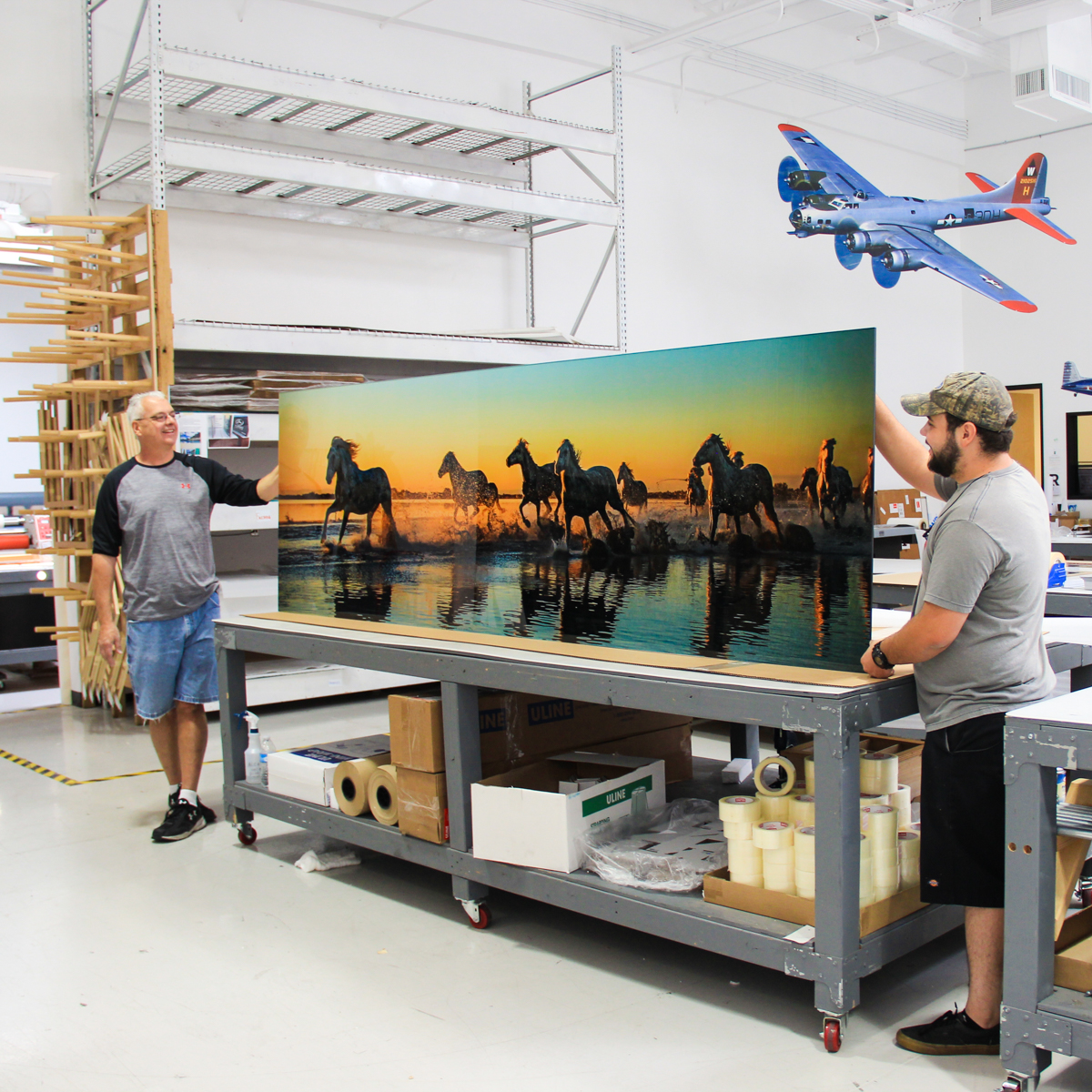
 Printing canvas has become one of the most trusted and versatile materials in modern printing. From professional photography and fine art reproduction to signage, décor and commercial displays, canvas delivers a premium look that paper simply cannot replicate. Its textured surface, durability and ability to hold colour make it a favourite across creative and business industries throughout Australia.
In this in-depth guide, we’ll explore what printing canvas is, the role of polyester canvas, how canvas rolls are used, and how to choose the right canvas for different applications. Whether you’re a designer, printer, photographer or business owner, this article will help you make informed decisions and achieve reliable, high-quality results.
What Is Printing Canvas?
Printing canvas is a specially coated textile designed to accept ink with clarity, consistency and longevity. Unlike traditional fabrics, printable canvas features an ink-receptive surface that allows pigments or dyes to bond effectively, producing sharp detail and rich colour depth.
Canvas printing is commonly used for:
- Art reproductions
- Photography prints
- Retail and exhibition displays
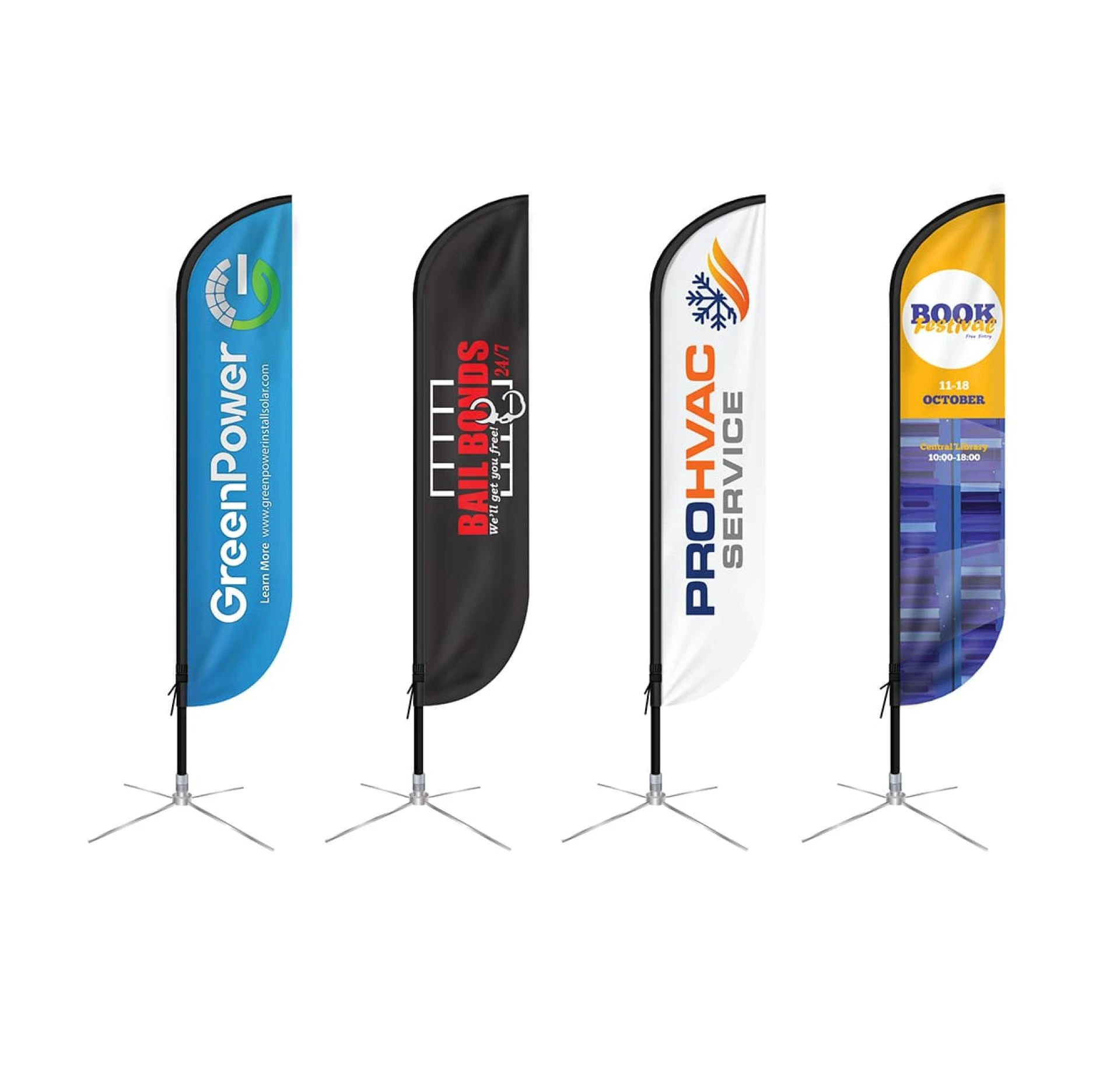
- Event backdrops and signage
- Interior décor for homes and offices
The woven texture of canvas gives prints a tactile, premium finish that feels natural rather than glossy or artificial. This is one of the main reasons canvas remains popular despite advances in synthetic print media.
Understanding Canvas Materials
Not all canvas is the same. The material used plays a major role in print quality, durability and suitability for different environments.
Cotton Canvas
Cotton canvas is traditionally used for fine art printing. It offers a softer texture and natural appearance, making it ideal for gallery-quality artwork. However, cotton can be sensitive to moisture and environmental changes if not properly treated.
Polyester Canvas
Polyester canvas is widely used in commercial and professional printing due to its strength, consistency and stability. It resists stretching, shrinking and tearing far better than natural fibres, making it suitable for large-format applications and high-volume production.


Polyester canvas is particularly popular in Australia because it performs well in varied climates. It handles humidity, temperature changes and transport conditions with minimal distortion, ensuring reliable results from print to installation.
Why Polyester Canvas Is a Smart Choice
Polyester canvas has become the preferred option for many professional printers, and for good reason.
Consistent print results
The uniform surface of polyester canvas allows ink to sit evenly, producing clean lines, smooth gradients and accurate colours.
High durability
Polyester fibres are resistant to tearing and abrasion, making them ideal for signage, exhibitions and repeated handling.
Dimensional stability
Unlike some natural fabrics, polyester canvas maintains its shape over time, even when stretched or framed.
Compatibility with modern printers
Polyester canvas works well with eco-solvent, latex and UV printers, offering flexibility across different production setups.
For businesses that need dependable output without compromising visual appeal, polyester canvas strikes an excellent balance.
Canvas Rolls: The Professional Standard
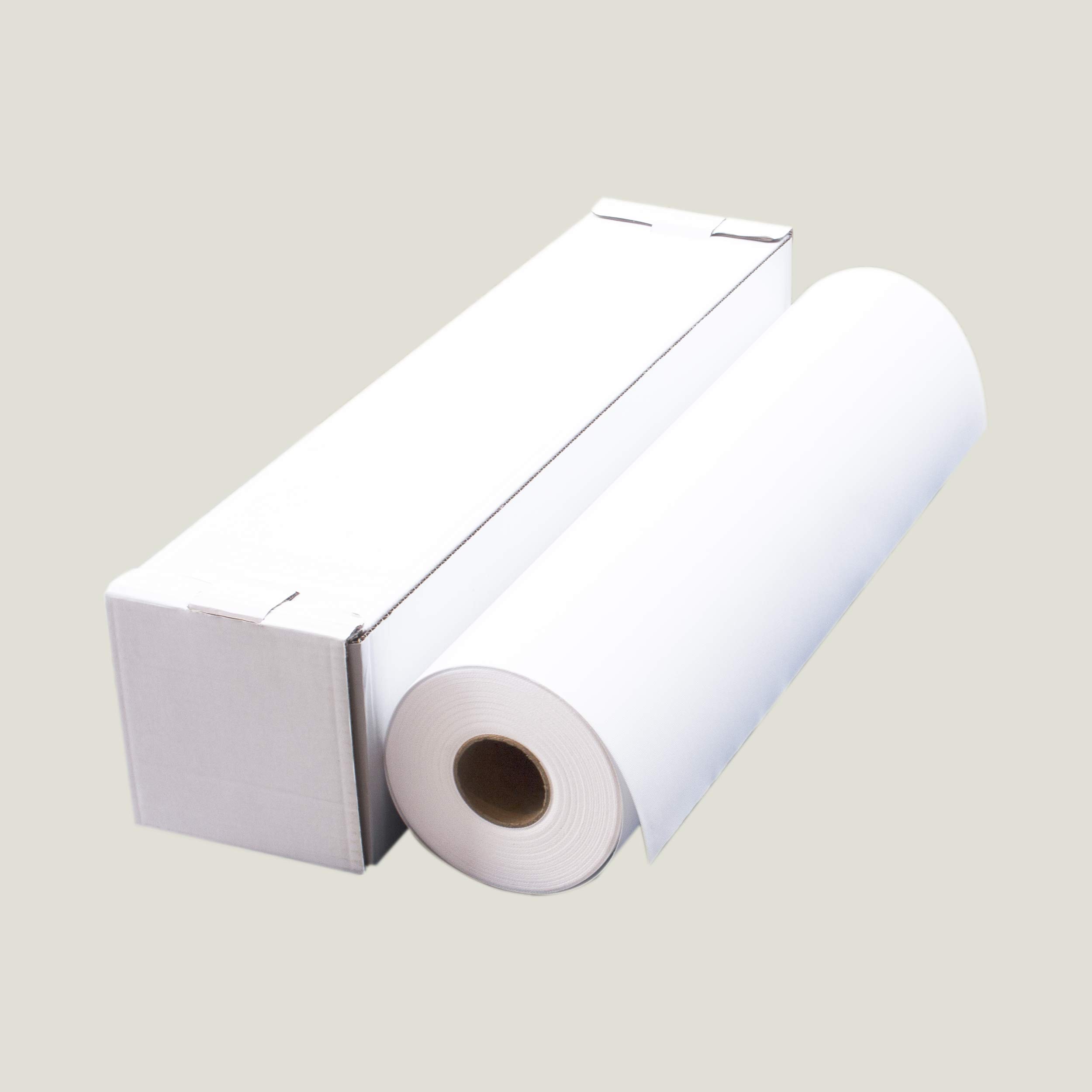
Canvas rolls are the most common format used in commercial printing environments. Instead of pre-cut sheets, canvas is supplied in rolls of varying widths and lengths, allowing printers to produce customised sizes efficiently.

Benefits of Using Canvas Rolls
Reduced waste
Printing from rolls allows you to cut canvas to exact dimensions, minimising offcuts and material loss.
Scalability
Canvas rolls support small prints and large-scale projects, including murals, banners and panoramic artwork.
Efficient workflow
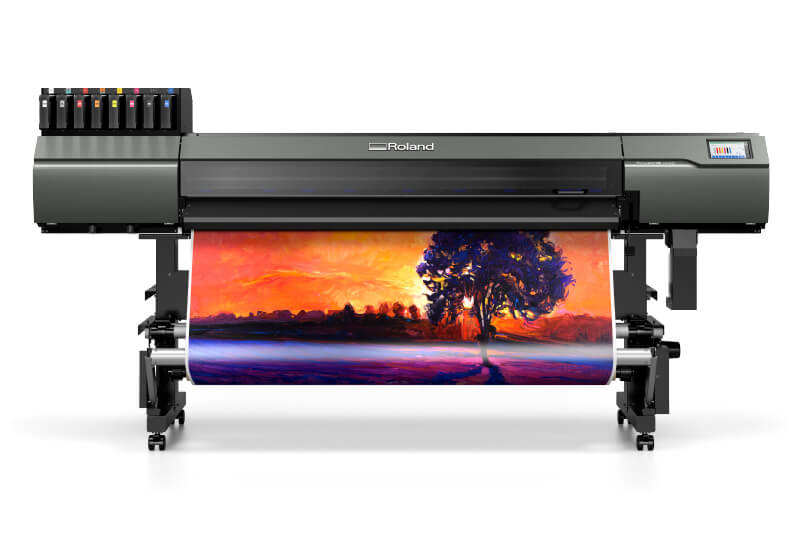
Roll-fed printers streamline production, making canvas rolls ideal for businesses with ongoing print requirements.
Consistent finish
Using the same roll for multiple prints ensures colour and texture consistency across a project.
When selecting canvas rolls, it’s important to consider width compatibility with your printer, core size, coating type and intended application.
Print Quality and Finish
One of the defining features of canvas is how it handles ink. A high-quality printing canvas delivers:
- Deep blacks without blotching
- Smooth tonal transitions
- Accurate colour reproduction
- Minimal ink bleed
- A refined, professional texture
Matte finishes are the most common, as they reduce glare and enhance the natural appearance of the canvas. This makes canvas prints suitable for both brightly lit commercial spaces and softer residential interiors.
Applications of Canvas Printing
Canvas is one of the most adaptable print materials available. Its versatility allows it to be used across many industries.
Fine Art and Photography
Artists and photographers favour canvas for its ability to replicate brush strokes, depth and detail. It offers a timeless presentation that suits both modern and classic artwork.
Interior Décor
Canvas prints are widely used in homes, offices, hotels and cafés. They add warmth and character while remaining durable and easy to maintain.
Retail and Commercial Displays
Canvas signage provides a premium alternative to vinyl or paper. It works well for window displays, brand storytelling and in-store promotions.
Events and Exhibitions
From trade shows to galleries, canvas backdrops and displays create an inviting, professional atmosphere that stands out without feeling overly commercial.
Choosing the Right Canvas for Your Project
Selecting the right canvas depends on several practical considerations.
Intended use
Indoor decorative prints may prioritise texture and appearance, while commercial displays require durability and consistency.
Printer compatibility
Ensure the canvas coating matches your ink type to avoid adhesion or drying issues.
Weight and weave
Heavier canvas offers better opacity and durability, while finer weaves provide sharper detail for photographic prints.
Environmental exposure
If the canvas will be displayed in changing conditions, polyester canvas offers greater long-term stability.
By matching the canvas to the application, you can achieve better results and avoid unnecessary reprints.
Storage and Handling Tips
Proper storage and handling help maintain print quality and extend the life of canvas materials.
- Store canvas rolls upright in a clean, dry environment
- Avoid direct sunlight and excessive humidity
- Allow printed canvas to cure fully before stretching or framing
- Handle with clean hands to prevent surface marks
These simple steps make a noticeable difference, particularly for professional print operations.
Sustainability Considerations
As sustainability becomes more important across the printing industry, many canvas manufacturers are improving their production processes. Polyester canvas can be paired with eco-friendly inks, and its durability means prints last longer, reducing the need for frequent replacements.
Choosing quality materials from reputable suppliers also helps minimise waste and improve overall efficiency.
Final Thoughts
Printing canvas remains one of the most reliable and visually appealing materials in the print industry. With options like polyester canvas and versatile canvas rolls, it offers solutions for everything from fine art to large-scale commercial projects.
By understanding the differences between canvas types, choosing the right format and handling materials correctly, you can consistently achieve professional results that meet both creative and practical requirements.
Whether you’re producing artwork, branding materials or interior décor, canvas continues to deliver a balance of durability, texture and visual impact that few other print media can match.


























Sign in to leave a comment.