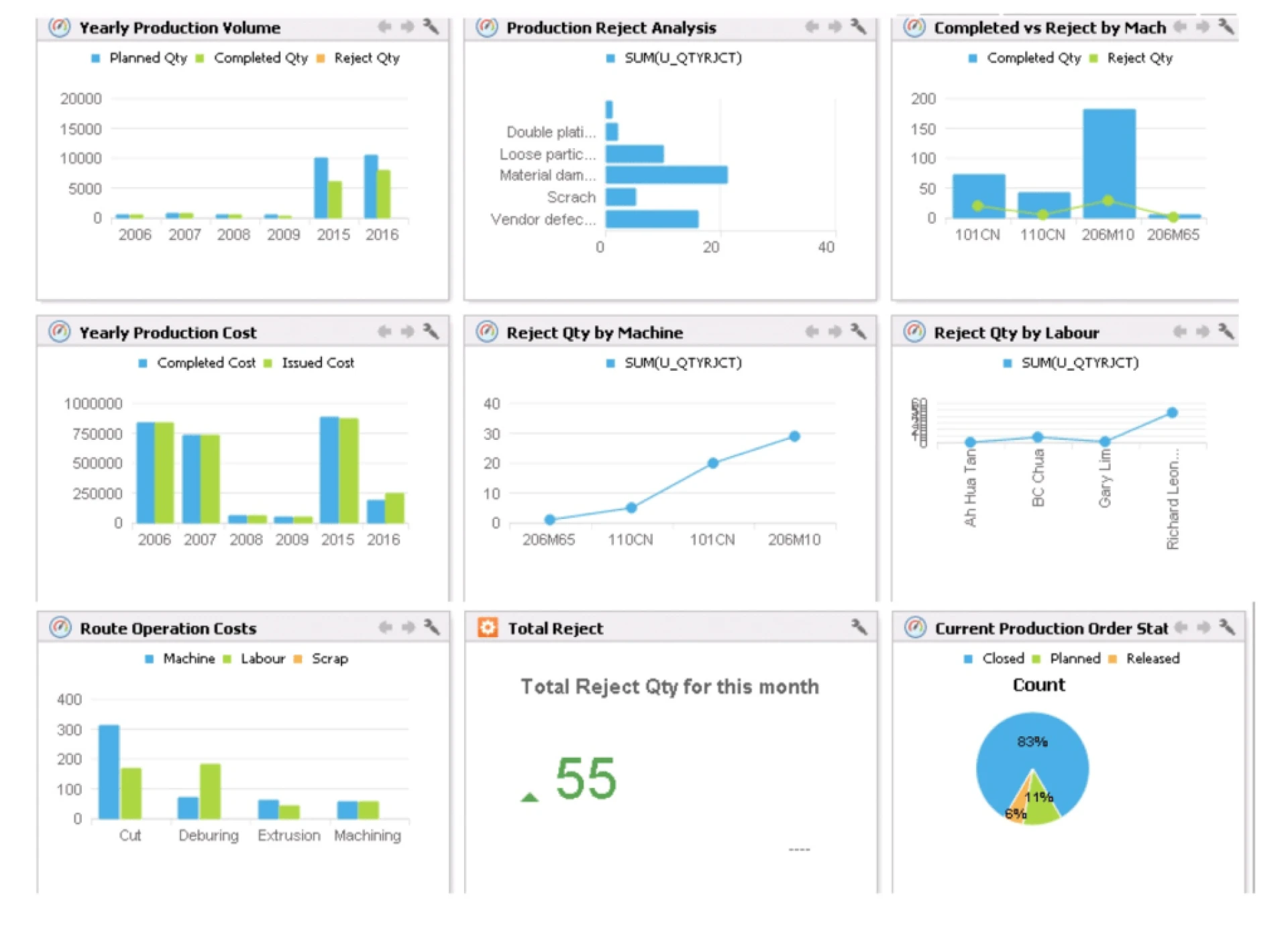

In today’s rapidly evolving industrial landscape, manufacturers are under constant pressure to optimize production operations, reduce costs, improve quality, and satisfy customer demands—all at the same time. To achieve these goals, traditional stand-alone systems and manual processes are no longer sufficient. This is where production ERP software comes in: acting as the backbone of modern manufacturing operations by unifying processes, improving real-time visibility, and enabling data-backed decisions.
In this detailed blog, we’ll explore how production ERP software is transforming manufacturing performance, its benefits, key features, implementation best practices, real-world outcomes, and frequently asked questions.
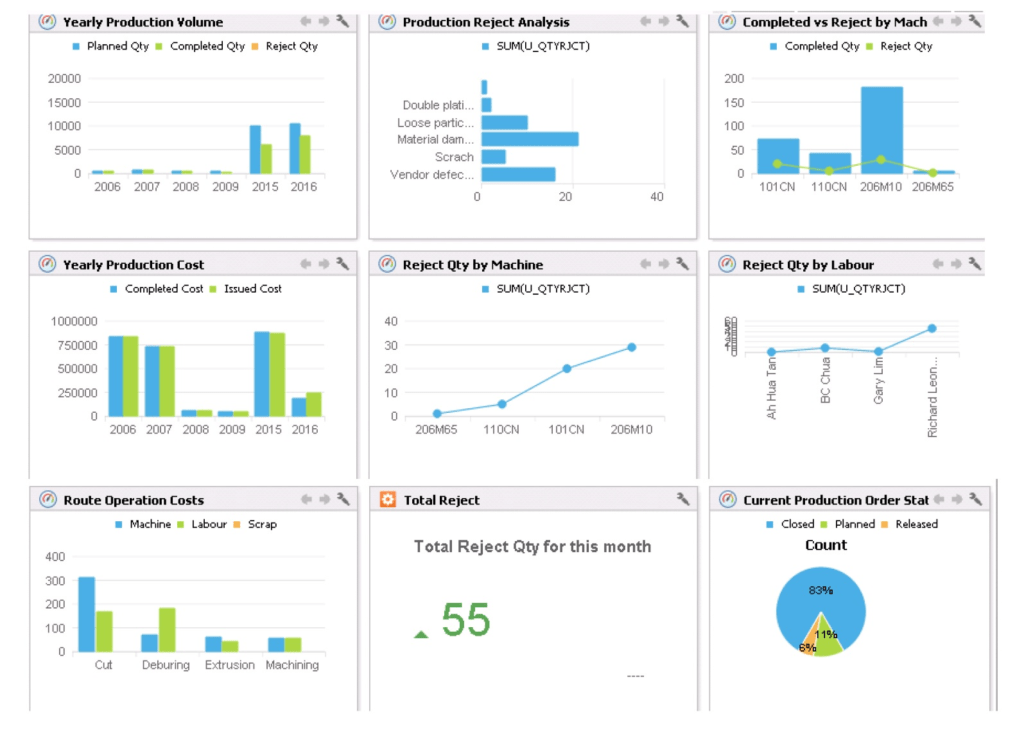
What Is Production ERP Software?
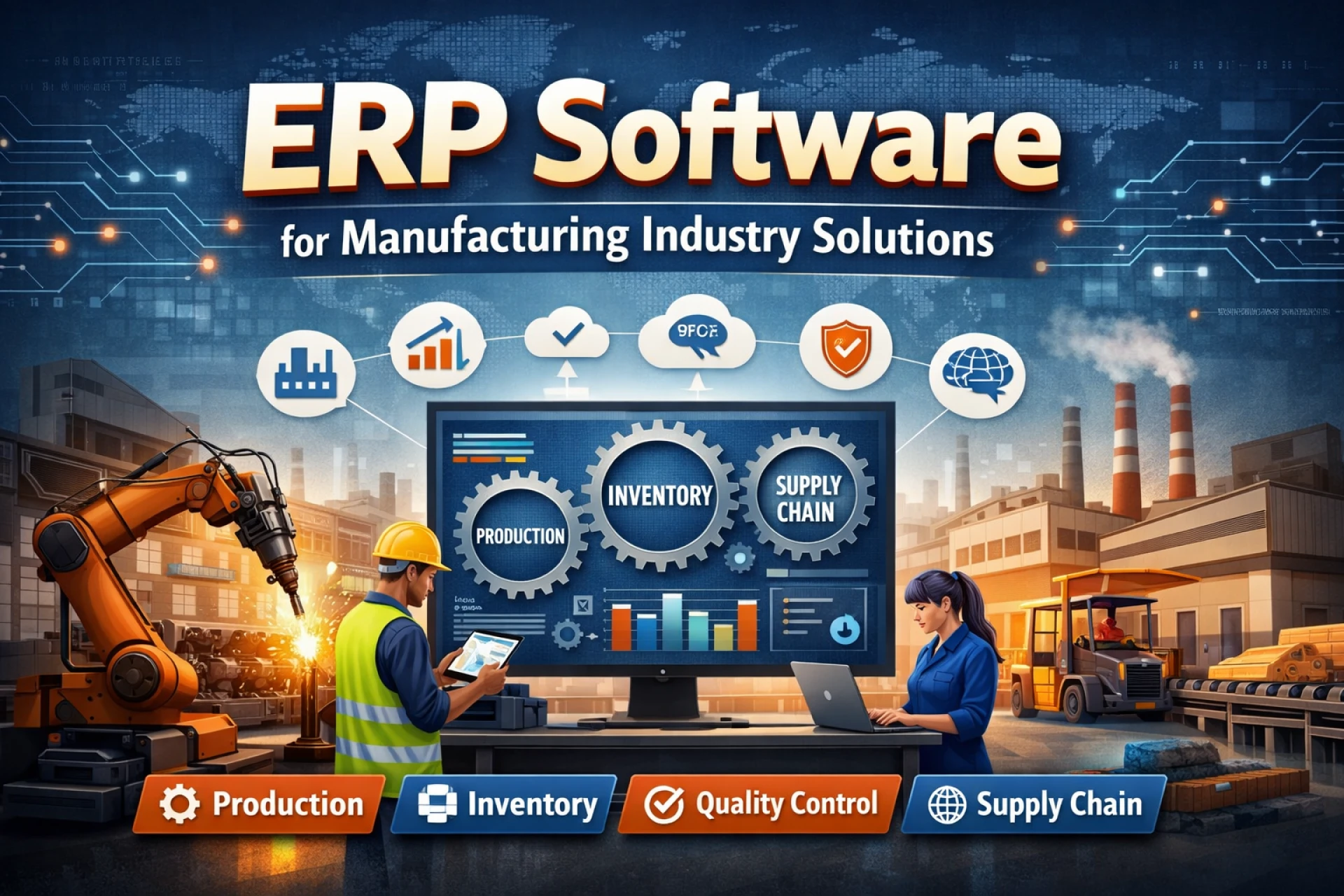
Production ERP software (Enterprise Resource Planning) is a centralized system that integrates all production-related functions in a manufacturing organization—such as planning, scheduling, resource allocation, inventory control, quality management, shop floor execution, and reporting—into one unified platform.
Unlike traditional ERP systems that may focus mainly on finance or HR, production ERP modules are specialized to handle the dynamic and complex needs of manufacturing workflows.
Why Production ERP Software Matters in Manufacturing
The industrial world is experiencing unprecedented challenges:
- Global supply chain disruptions
- Rising labor and material costs
- Increasing customer expectations
- Complex production environments
- Demand for digital transformation
In this context, production ERP software has become central to operational success because it delivers:
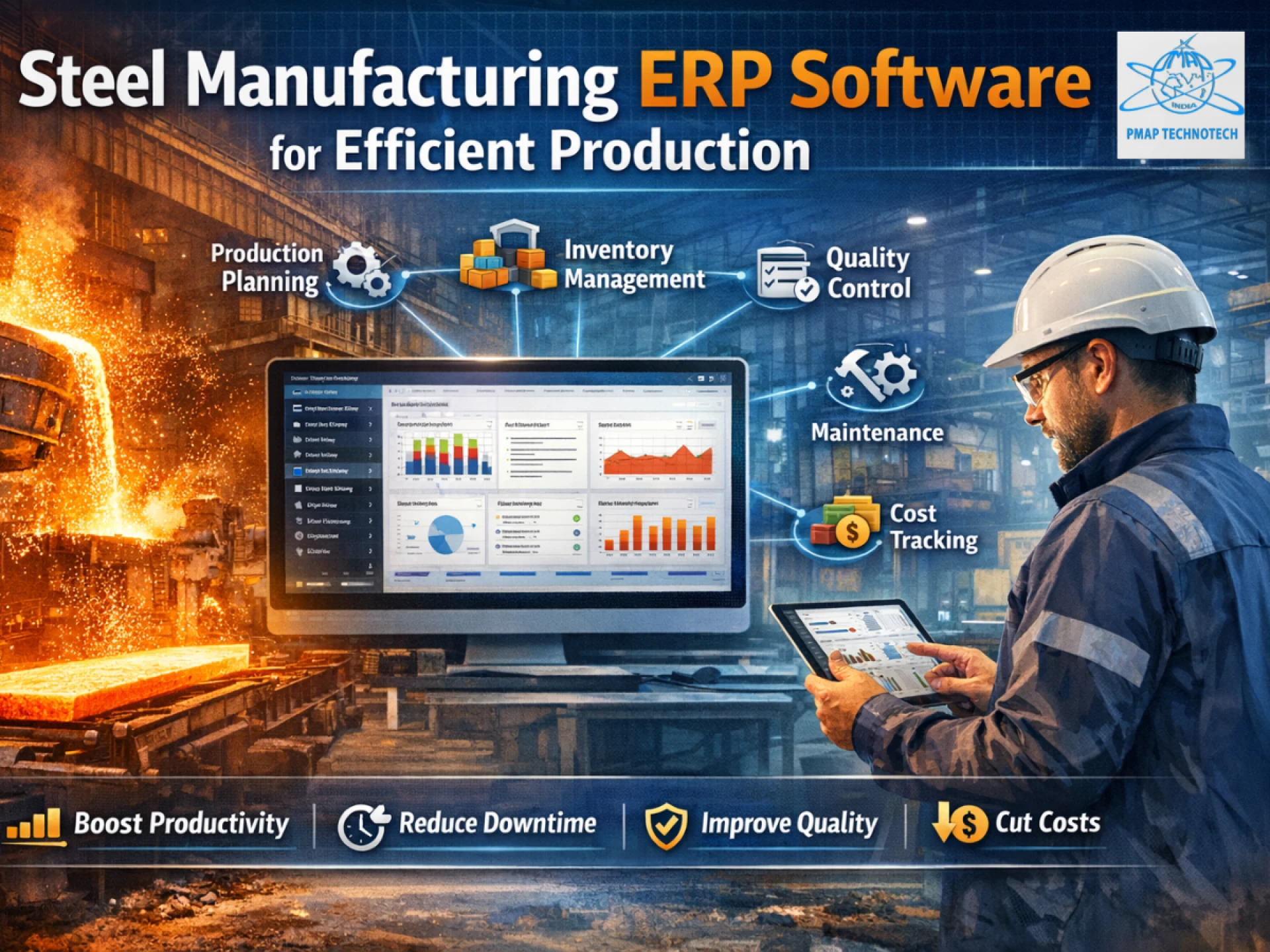
- Real-time visibility into production processes
- Coordinated planning & scheduling
- Improved productivity & throughput
- Reduced waste and manufacturing costs
- Accurate forecasting and inventory control
Let’s dive deeper into how production ERP software transforms manufacturing performance.

Key Transformative Benefits of Production ERP Software
1. Improved Production Planning & Scheduling
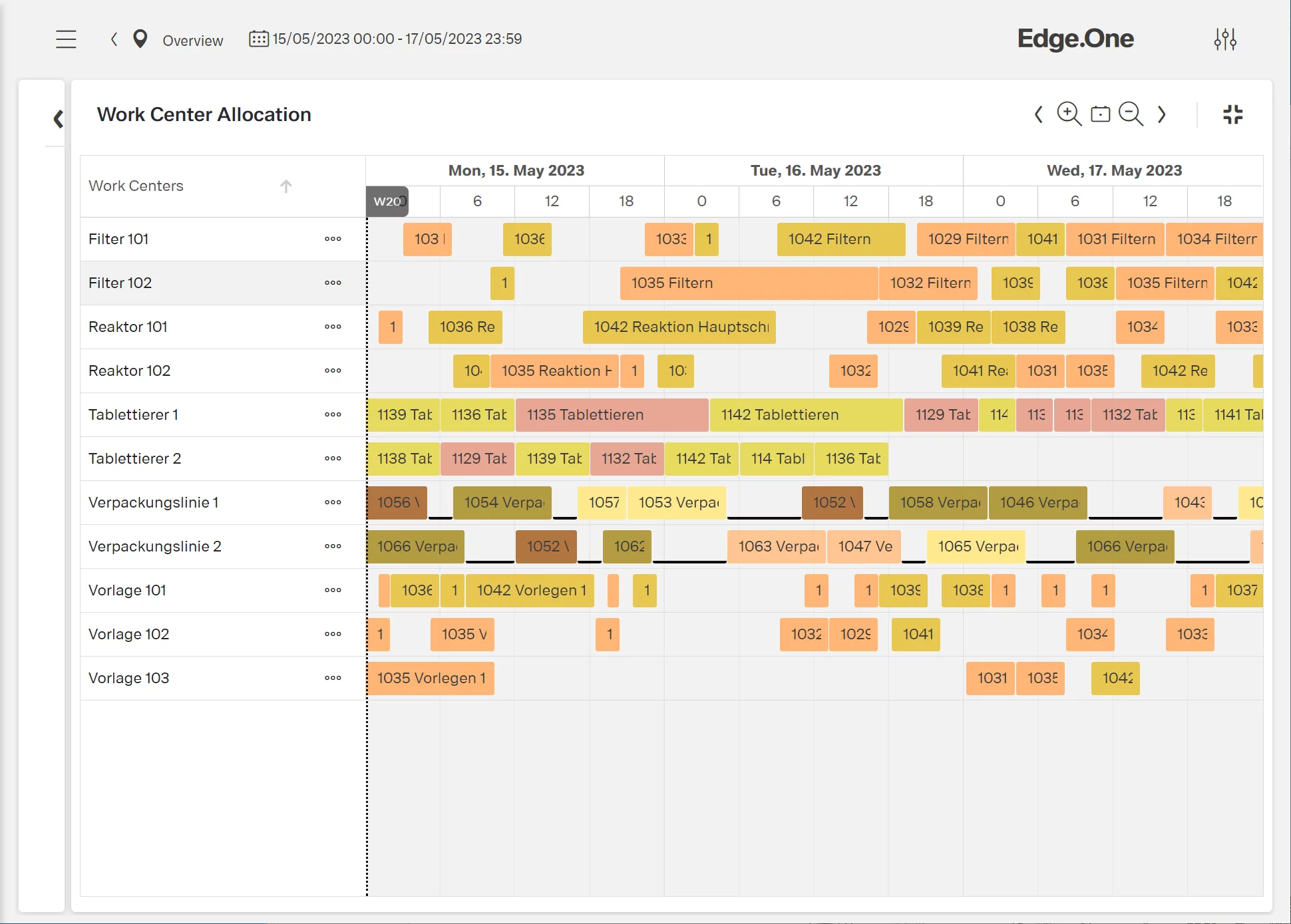
Production ERP software enables manufacturers to plan and schedule production intelligently by optimizing:
- Machine usage
- Labor capacity
- Material availability
- Work order sequencing
Instead of reactive planning, companies gain predictive and proactive scheduling that increases throughput and minimizes bottlenecks.
2. Real-Time Shop Floor Visibility
One of the biggest transformations brought by production ERP software is live visibility into the shop floor.
Manufacturers can monitor:
- Machine status
- Work-in-progress (WIP)
- Quality checkpoints
- Production cycle times
With dashboards and live KPIs, supervisors make timely decisions to prevent downtime or quality issues.
3. Optimal Inventory & Material Management
Inventory can be a huge cost center if not managed well. Production ERP software:
- Tracks raw materials and finished goods in real time
- Ensures materials are available when needed
- Reduces overstock and stockouts
- Manages reorder levels
This leads to lower carrying costs and better cash flow management.
4. Enhanced Quality Management
Quality is non-negotiable in manufacturing. Production ERP systems include QC modules to:
- Track quality at every production stage
- Manage inspection checklists
- Automatically flag defects
- Integrate quality data into production decisions
This ensures consistent product quality and reduces rework or recalls.
5. Stronger Cross-Functional Collaboration
Production ERP software breaks down silos between departments:
- Production & Planning
- Procurement
- Inventory & Warehouse
- Quality Assurance
- Finance
By sharing one version of truth, teams collaborate better, leading to faster issue resolution and improved operational coordination.

Core Features of Production ERP Software
Here’s a closer look at the essential components that make production ERP software so valuable:
Production Planning & Scheduling
- Master production scheduling (MPS)
- Material requirements planning (MRP)
- Finite and infinite scheduling
- Capacity planning
Shop Floor Control
- Real-time machine and operator tracking
- Work order management
- Labor attendance and performance
- Dispatch management
Inventory & Warehouse Management
- Stock visibility
- Lot and batch tracking
- Barcode/RFID scanning
- Automated replenishment
Quality & Compliance
- Inspection plans
- Non-conformance tracking
- Audit trails
- Regulatory compliance support
Analytics & Reporting
- Production KPIs
- OEE (Overall Equipment Effectiveness)
- Downtime analysis
- Backlog and throughput reports
How Production ERP Software Revolutionizes Performance
Increase Throughput without Extra Resources
ERP systems help manufacturers squeeze more output from existing capacity by improving efficiency and eliminating bottlenecks.
Reduce Lead Times
By aligning production planning with real-time inventory and shop floor data, production lead times significantly improve.
Lower Operational Costs
ERP drives cost savings through:
- Better material utilization
- Reduced waste
- Higher labor productivity
- Less scrap and rework
Higher Customer Satisfaction
On-time delivery, high product quality, and transparency lead to satisfied customers and repeat business.
Implementation Best Practices
Successfully implementing production ERP software is critical to realizing its benefits. Here are proven best practices:
Define Clear Objectives
Set goals like reducing lead times, increasing throughput, or improving quality.
Map Existing Processes
Before integrating, document current workflows, pain points, and data requirements.
Select the Right ERP Partner
Choose a vendor with strong manufacturing domain expertise and a track record of successful deployments.
Prioritize Change Management
Train employees early, communicate benefits, and ensure everyone is aligned with the new system.
Start with Pilot Modules
Begin with core modules, monitor performance, then scale to broader functions.
Real-World Success Stories
Automotive Manufacturer
A mid-sized automotive parts manufacturer implemented production ERP software and saw a 30% reduction in production lead time, a 25% improvement in inventory turns, and a 40% cut in quality rework within the first 9 months.
Electronics Assembly Shop
By adopting real-time shop floor tracking via ERP, an electronics manufacturer cut machine idle time by 50% and improved on-time delivery from 78% to 94%.
Future Trends in Production ERP Software
AI & Machine Learning Integration
ERP systems are increasingly using AI to predict failures, optimize schedules, and forecast demand.
IoT & Smart Factory Connectivity
Sensors and IoT devices feed live data to ERP for enhanced automation and predictive maintenance.
Cloud & Mobility
Cloud-based ERP allows remote access from tablets, mobiles, and web portals, empowering managers and operators everywhere.
Conclusion
Production ERP software is no longer a luxury—it’s a strategic asset. It enables manufacturers to:
- Gain operational transparency
- Improve production efficiency
- Reduce costs
- Deliver high-quality products faster
By unifying all production functions on one platform, businesses transform how they operate, compete, and grow in an increasingly digital manufacturing world.
Frequently Asked Questions (FAQs)
1. What is production ERP software?
Answer:Production ERP software is an integrated system that manages and optimizes all production-related functions in a manufacturing business, including planning, scheduling, inventory, quality, and reporting.
2. How does production ERP software improve manufacturing performance?
Answer:It improves performance by providing real-time visibility, optimizing production schedules, reducing waste, lowering lead times, and enabling data-driven decisions.
3. Is production ERP suitable for small manufacturers?
Answer:Yes. Many ERP solutions are scalable and modular, making them suitable for small and medium manufacturers looking to grow.
4. What challenges might I face during ERP implementation?
Answer:Common challenges include resistance to change, unclear process documentation, lack of training, and data migration issues—mitigated through planning and stakeholder involvement.
5. How long does it take to see ROI with production ERP software?
Answer:Return on investment typically appears within 6 to 18 months, depending on the scale of implementation and process improvements.




















Sign in to leave a comment.