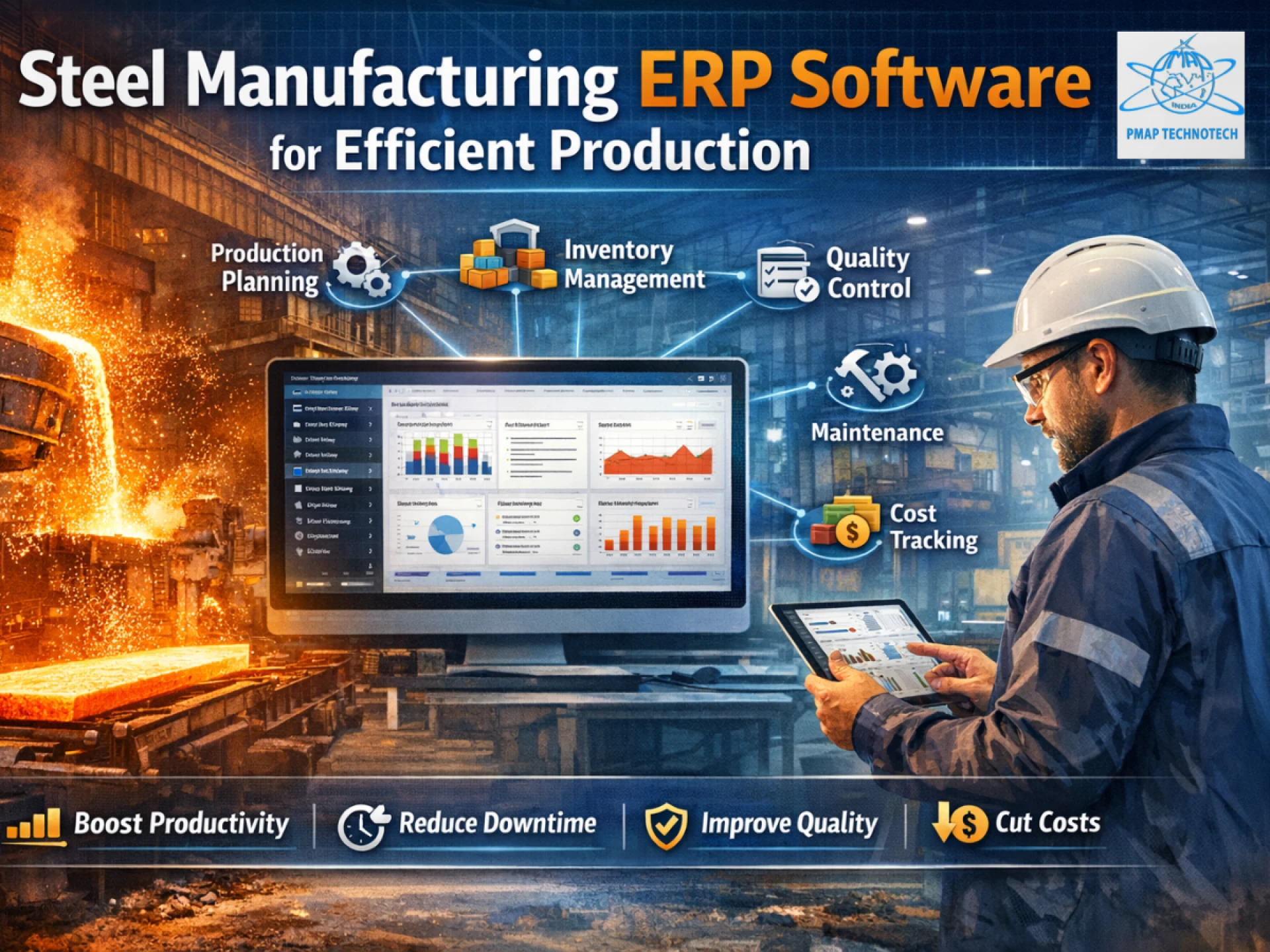

The steel industry is one of the most complex and process-intensive sectors in manufacturing. From raw material procurement and furnace operations to rolling, finishing, inventory, and logistics—every step requires precision, coordination, and real-time visibility. In such a demanding environment, relying on spreadsheets or disconnected software tools can lead to production delays, cost overruns, and operational inefficiencies.
This is where steel manufacturing ERP software becomes a game-changer. A robust ERP system designed specifically for steel manufacturers helps streamline operations, improve productivity, reduce waste, and provide complete control over the production lifecycle.
In this comprehensive guide, we will explore how steel manufacturing ERP software transforms production efficiency, the features it offers, implementation strategies, and why it is becoming essential for modern steel plants.
Understanding Steel Manufacturing Challenges
Before diving into ERP benefits, it’s important to understand the unique challenges faced by steel manufacturers:
1. Complex Production Processes
Steel manufacturing involves multiple stages such as:
- Raw material procurement (iron ore, scrap, coal)
- Melting and refining
- Continuous casting
- Rolling and finishing
- Quality inspection
- Warehousing and distribution
Managing these interconnected processes manually is extremely difficult.
2. Fluctuating Raw Material Costs
Steel production heavily depends on volatile raw material prices. Without accurate planning tools, cost control becomes challenging.
3. Inventory Management Difficulties
Steel plants handle:
- Raw materials
- Work-in-progress inventory
- Finished goods
- Scrap and by-products
Tracking all these accurately requires real-time systems.
4. Demand and Supply Imbalance
Customer demand changes frequently, and production planning must adapt quickly.
5. Quality Compliance Requirements
Steel must meet strict quality and safety standards. Manual tracking increases risk of errors.
These challenges make steel manufacturing ERP software essential for efficient operations.
What is Steel Manufacturing ERP Software?
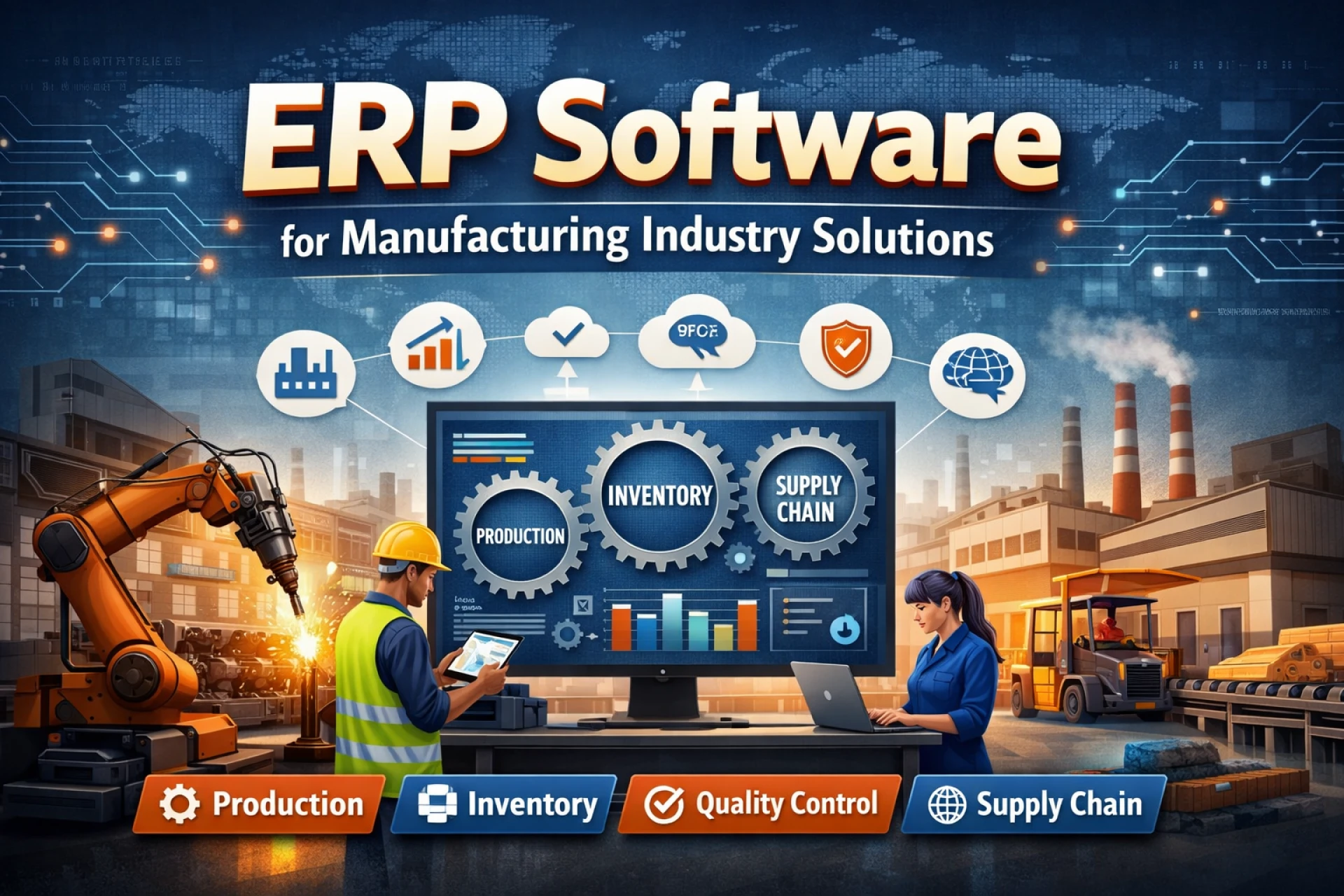
Steel manufacturing ERP software is an integrated system that manages and automates core business processes across a steel production company. It connects departments like production, procurement, inventory, sales, finance, quality control, and logistics into one centralized platform.
Instead of using separate tools, ERP provides a single source of truth for the entire organization.
Why Steel Plants Need ERP for Efficient Production
1. Centralized Data Management
ERP creates a unified database for all departments. This eliminates data silos and ensures everyone works with real-time information.
2. Real-Time Production Visibility
Managers can track:
- Furnace utilization
- Production progress
- Machine downtime
- Output levels
This enables faster decision-making.
3. Improved Planning and Scheduling
ERP helps plan production based on:
- Demand forecasts
- Raw material availability
- Machine capacity
- Workforce availability
This minimizes delays and maximizes output.
Key Features of Steel Manufacturing ERP Software
1. Production Planning and Scheduling
Production planning is the heart of steel manufacturing ERP software.
Key capabilities:
- Capacity planning
- Heat scheduling
- Rolling mill planning
- Shift planning
- Demand forecasting
With automated planning, production becomes predictable and efficient.
2. Raw Material Management
ERP tracks raw materials from purchase to consumption.
Benefits:
- Real-time stock monitoring
- Automatic reorder alerts
- Supplier performance tracking
- Cost optimization
This ensures uninterrupted production and reduced material waste.
3. Inventory Management
ERP provides full visibility into:
- Raw materials
- Work-in-progress
- Finished steel products
- Scrap inventory
Advanced features include:
- Barcode and RFID tracking
- Batch and heat number tracking
- Multi-warehouse management
Accurate inventory leads to better production planning and lower holding costs.
4. Quality Control Management
Steel manufacturing requires strict quality checks.
ERP enables:
- Quality inspection workflows
- Test result tracking
- Compliance reporting
- Defect analysis
- Traceability from raw material to finished product
This reduces rework and improves product consistency.
5. Maintenance Management
Machine downtime can cause massive production losses.
ERP helps with:
- Preventive maintenance scheduling
- Equipment history tracking
- Spare parts management
- Breakdown alerts
Predictive maintenance improves plant uptime and productivity.
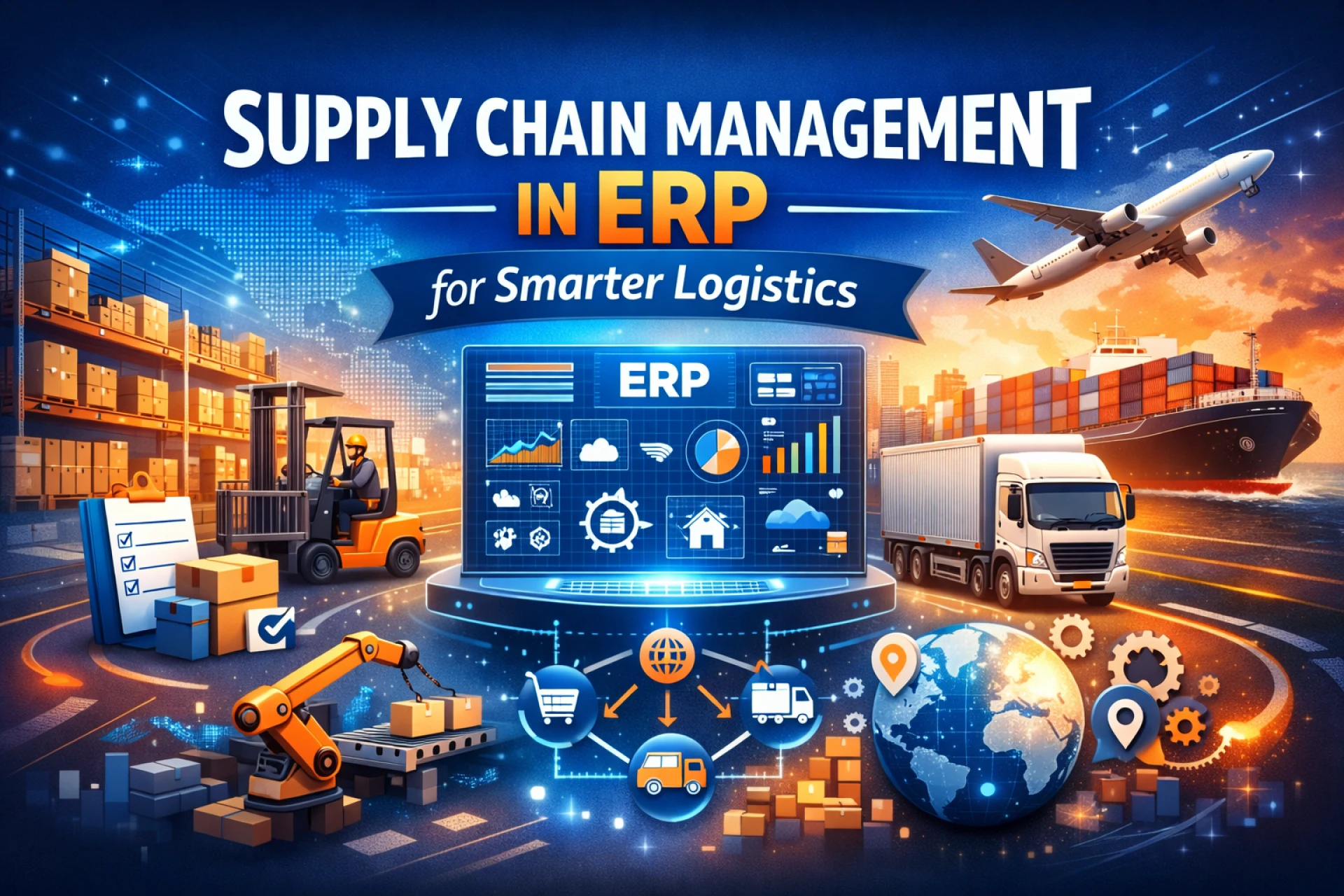
6. Supply Chain Management
Steel production involves a complex supply chain.
ERP optimizes:
- Vendor management
- Procurement planning
- Logistics tracking
- Shipment scheduling
This ensures on-time delivery and better customer satisfaction.
7. Costing and Financial Management
ERP provides accurate cost tracking for:
- Raw materials
- Energy consumption
- Labor
- Production overhead
With real-time financial insights, companies can improve profitability.
How ERP Improves Production Efficiency
1. Reduces Production Delays
ERP synchronizes departments and ensures smooth workflow, minimizing bottlenecks.
2. Minimizes Material Waste
Accurate planning and tracking reduce scrap and overproduction.
3. Optimizes Machine Utilization
Real-time monitoring helps maximize equipment usage.
4. Enhances Workforce Productivity
Automation reduces manual tasks and improves coordination.
5. Improves Decision Making
Real-time analytics help managers make faster, smarter decisions.
Role of Automation in Steel ERP Systems
Modern ERP systems include automation technologies such as:
- IoT integration for machine data collection
- AI-based demand forecasting
- Automated reporting dashboards
- Smart alerts and notifications
Automation helps steel plants transition toward Industry 4.0.
Benefits of Steel Manufacturing ERP Software
1. Increased Production Output
Optimized planning and reduced downtime boost overall production.
2. Better Cost Control
ERP provides full cost transparency and reduces unnecessary expenses.
3. Improved Customer Satisfaction
Faster delivery and better quality improve customer trust.
4. Stronger Compliance and Traceability
ERP ensures adherence to industry standards and regulations.
5. Scalable Operations
ERP supports business growth and expansion.
ERP Implementation Strategy for Steel Plants
Step 1: Analyze Business Requirements
Identify pain points and define goals.
Step 2: Choose Industry-Specific ERP
Select ERP tailored for steel manufacturing.
Step 3: Data Migration and Integration
Move existing data into the ERP system.
Step 4: Employee Training
Train staff for smooth adoption.
Step 5: Continuous Monitoring and Improvement
Optimize processes based on ERP insights.
Future of Steel Manufacturing with ERP
The steel industry is moving toward digital transformation. Future ERP systems will include:
- AI-driven predictive analytics
- Smart factory integration
- Cloud-based ERP platforms
- Real-time supply chain visibility
- Advanced production simulations
Steel manufacturers who adopt ERP early will gain a strong competitive advantage.
Choosing the Right Steel Manufacturing ERP Software
When selecting ERP, consider:
- Industry-specific features
- Scalability
- Integration capabilities
- User-friendly interface
- Vendor support and customization
A well-chosen ERP system becomes a long-term growth partner.
Conclusion
The steel industry operates in a highly competitive and complex environment. To stay ahead, manufacturers must embrace digital transformation and adopt intelligent systems that streamline operations.
Steel manufacturing ERP software is not just a tool—it is a strategic investment that enables efficient production, reduces costs, improves quality, and drives long-term business success.
Companies that implement ERP today will be better prepared for the future of smart manufacturing and Industry 4.0.
FAQs
1. What is steel manufacturing ERP software?
Steel manufacturing ERP software is an integrated system designed to manage production, inventory, procurement, quality control, finance, and supply chain processes in steel plants.
2. How does ERP improve steel production efficiency?
ERP automates workflows, provides real-time data, improves planning, reduces downtime, and optimizes resource utilization.
3. Is ERP suitable for small steel manufacturers?
Yes, modern ERP solutions are scalable and suitable for small, medium, and large steel manufacturers.
4. Can ERP reduce production costs?
Yes, ERP reduces waste, improves planning, and provides accurate cost tracking, leading to significant cost savings.
5. How long does ERP implementation take?
Implementation typically takes 3–9 months depending on company size and customization needs.
6. Does ERP support quality compliance?
Yes, ERP includes quality management tools to ensure compliance and product traceability.
7. Can ERP integrate with machines and IoT devices?
Modern ERP systems support IoT integration for real-time machine monitoring.
8. Is cloud ERP suitable for steel manufacturers?
Yes, cloud ERP offers scalability, remote access, and lower infrastructure costs.
9. What is the ROI of steel ERP software?
Most companies see ROI through improved efficiency, reduced costs, and increased production within 1–2 years.
10. Why is ERP essential for the future of steel manufacturing?
ERP enables digital transformation, smart manufacturing, and data-driven decision making—key factors for future success.
























Sign in to leave a comment.