
The prosthetic heart valves market is witnessing remarkable growth, fueled by significant advancements in valve design and implantation techniques. These innovations are not only improving patient outcomes but also expanding the accessibility and efficiency of heart valve replacement therapies.
Innovations in Valve Design
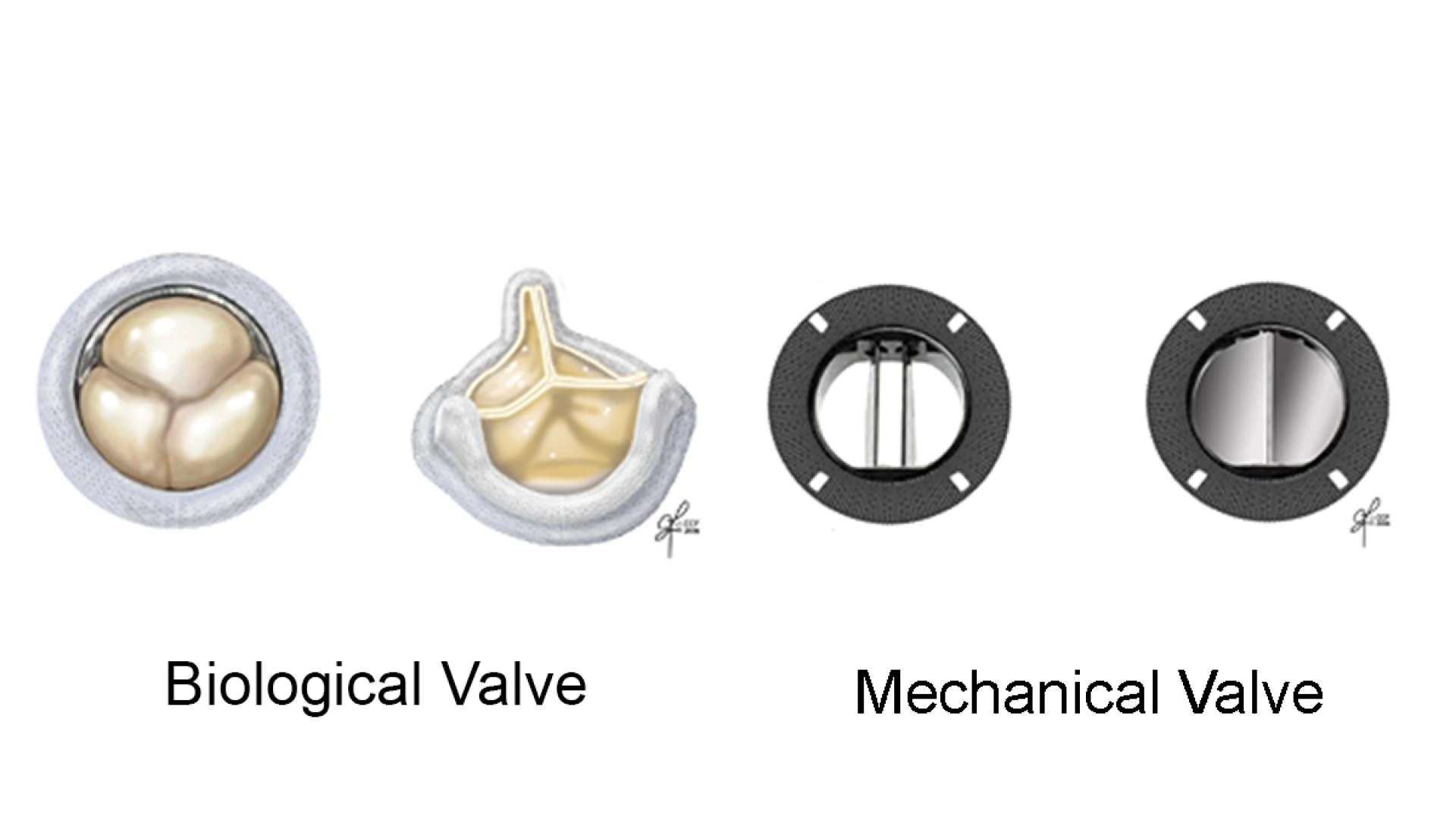
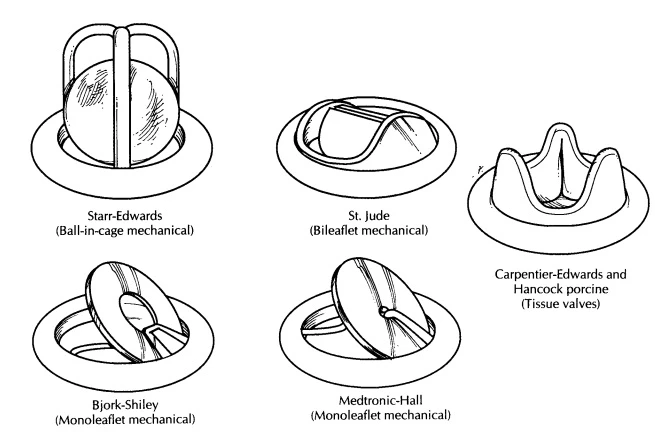
Recent breakthroughs in valve design have led to the development of more durable, biocompatible, and patient-friendly prosthetic heart valves. Traditional mechanical and bioprosthetic valves are being complemented by newer materials, such as polymeric and bioresorbable valves, which offer improved durability and biocompatibility. These advancements aim to reduce complications like thrombosis and calcification, leading to longer-lasting implants and better patient outcomes.
Additionally, the development of patient-specific valve designs, facilitated by 3D printing and advanced imaging techniques, allows for more precise fittings. This customization enhances the performance of the valves and minimizes the risk of complications, thereby improving the overall success rates of valve replacement procedures.
Advancements in Implantation Techniques
The evolution of implantation techniques has significantly improved the safety and efficacy of prosthetic heart valve procedures. Minimally invasive procedures, such as Transcatheter Aortic Valve Replacement (TAVR) and Transcatheter Mitral Valve Repair (TMVR), have gained popularity due to their reduced recovery times and lower procedural risks compared to traditional open-heart surgeries. These procedures are particularly beneficial for elderly patients and those with comorbid conditions, expanding the pool of candidates for valve replacement therapies.
The integration of advanced imaging technologies, such as 3D echocardiography and cardiac CT scans, has further enhanced the precision of these minimally invasive procedures. Real-time imaging allows for accurate valve placement and assessment, leading to improved procedural outcomes and patient safety.
Bioresorbable and Regenerative Valve Technologies
A significant advancement in valve design is the development of bioresorbable valves. These valves are made from materials that gradually dissolve within the body, allowing the patient's own tissue to take over the valve's function over time. This approach eliminates the need for lifelong anticoagulation therapy and reduces the risk of complications associated with permanent implants.
Furthermore, regenerative medicine is playing a crucial role in the evolution of prosthetic heart valves. Researchers are exploring the use of stem cells and tissue engineering to create biologically active valves that can integrate with the patient's native tissue. These regenerative valves have the potential to grow with pediatric patients, reducing the need for multiple surgeries as the child matures.
Expanding Patient Access and Global Reach
The advancements in valve design and implantation techniques are making heart valve replacement therapies more accessible to a broader range of patients, including those in developing regions. The development of smaller, more flexible delivery systems has facilitated the expansion of minimally invasive procedures to a wider patient population, including those with complex anatomies or high surgical risks.
Moreover, the global adoption of these technologies is increasing, with regions like Asia-Pacific experiencing rapid growth due to improving healthcare infrastructure and rising awareness of advanced cardiac care options. This expansion is contributing to the overall growth of the prosthetic heart valves market.
Future Outlook
The prosthetic heart valves market is poised for continued growth, driven by ongoing technological advancements. The development of next-generation valve technologies, enhanced procedural techniques, and integrated digital health solutions will further improve patient outcomes, expand treatment options, and increase the accessibility of cardiac care worldwide.
In conclusion, the prosthetic heart valves market is at the forefront of a technological revolution in structural heart interventions. Breakthroughs in valve design and implantation techniques are enhancing the quality, accessibility, and effectiveness of valve replacement therapies, presenting new opportunities for growth and advancement in the field of cardiac care. As these innovations continue to develop, they promise to redefine the standards of treatment and improve the lives of patients globally.





























Sign in to leave a comment.