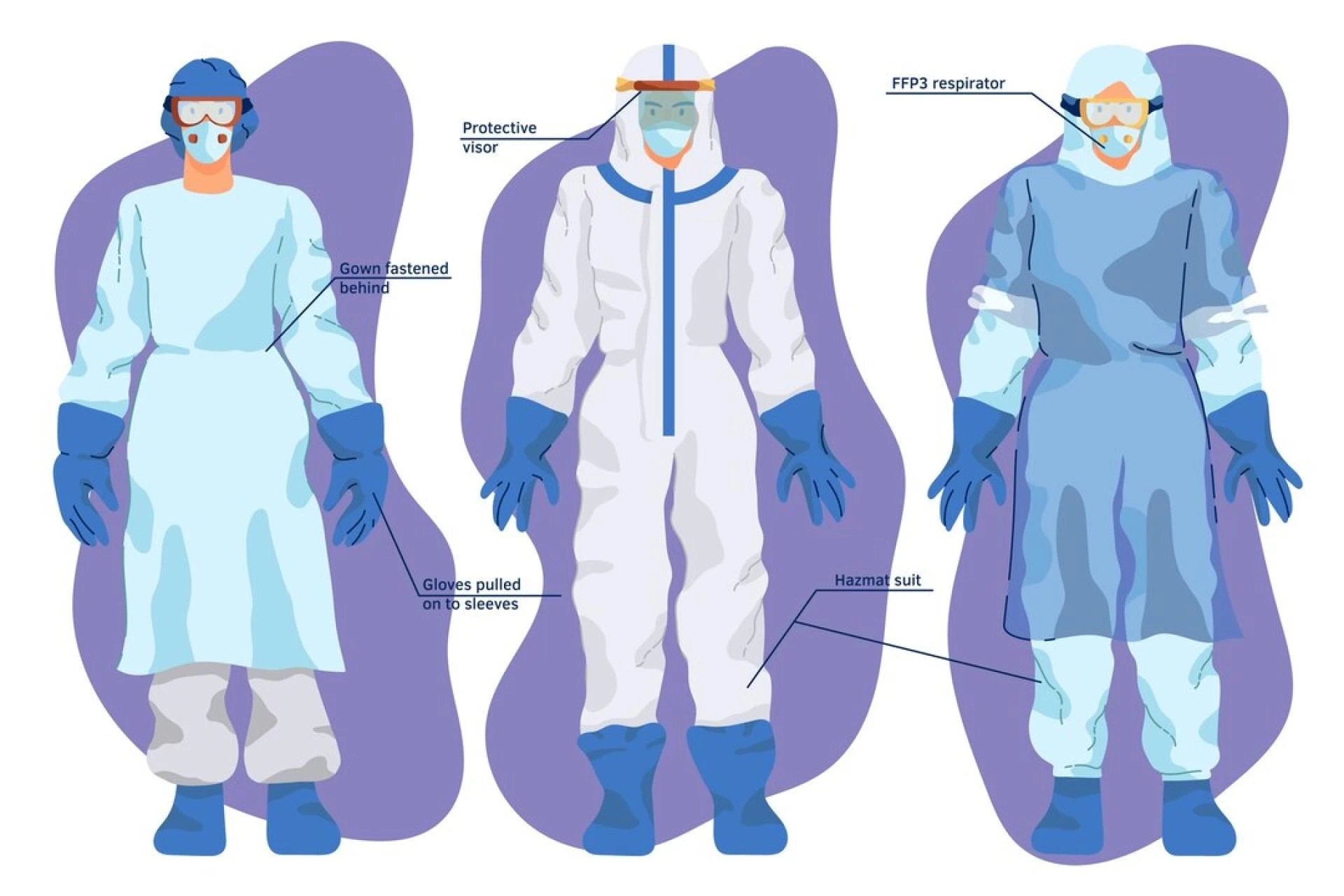

Workplace safety is a critical priority across industries such as healthcare, construction, manufacturing, food processing, and laboratories. One of the most important elements of occupational safety is the use of protection clothing to reduce exposure to hazards and create a safer working environment.
Protective clothing acts as a barrier between workers and potential risks, helping prevent injuries, contamination, and long-term health issues.
In today’s safety-conscious world, protection clothing is no longer optional—it is a fundamental requirement for compliance, productivity, and worker well-being.
What Is Protection Clothing?
Protection clothing refers to specialized garments designed to protect the wearer from physical, chemical, biological, or environmental hazards. Unlike everyday apparel, this clothing is engineered using durable materials, reinforced stitching, and protective coatings to withstand harsh conditions.
Depending on the industry, protection clothing may guard against:
- Chemical splashes
- Biological contaminants
- Sharp objects and abrasions
- Heat, fire, or cold exposure
- Dust, dirt, and airborne particles
Properly selected protective wear helps minimize accidents and supports safe operational practices.
Why Protection Clothing Is Essential in the Workplace
Every workplace has potential risks. Protection clothing reduces the likelihood of injury and ensures employees can perform their tasks safely and confidently.
Key benefits include:
- Injury prevention: Reduces cuts, burns, and exposure to harmful substances
- Hygiene control: Prevents cross-contamination in medical and food environments
- Regulatory compliance: Helps meet occupational health and safety standards
- Employee confidence: Workers feel safer and more productive
Employers who invest in quality protection clothing demonstrate responsibility and commitment to workforce safety.
Types of Protection Clothing
1. Protective Coveralls
Coveralls are commonly used in healthcare, laboratories, and industrial environments. They offer full-body coverage and protect against contaminants, spills, and dust.
Features to consider:
- Breathable yet durable fabric
- Elastic cuffs and secure closures
- Disposable or reusable options
2. Gowns and Aprons
Protective gowns and aprons are widely used in medical, cleaning, and food-handling environments. They provide front-line protection against splashes and spills.
Common uses include:
- Hospitals and clinics
- Dental and veterinary practices
- Food preparation areas
3. High-Visibility Protective Clothing
High-visibility garments are essential in construction, road work, and logistics industries. These garments enhance visibility in low-light or high-traffic areas.
Benefits include:
- Reduced risk of accidents
- Compliance with safety regulations
- Improved worker awareness
4. Flame-Resistant Clothing
Flame-resistant protection clothing is designed for environments where fire hazards exist, such as welding, electrical work, or oil and gas industries.
This clothing helps:
- Minimize burn injuries
- Resist ignition and flame spread
- Protect workers during emergencies
5. Chemical-Resistant Clothing
Chemical-resistant garments protect against hazardous liquids, vapors, and gases. These are critical in laboratories, cleaning services, and industrial processing facilities.
Materials are chosen based on resistance to specific chemicals and exposure levels.
Choosing the Right Protection Clothing
Selecting the correct protection clothing depends on understanding workplace hazards and matching them with appropriate protective features.
Consider the following factors:
- Type of hazard: Chemical, biological, thermal, or mechanical
- Level of exposure: Light, moderate, or heavy
- Comfort and fit: Proper fit improves compliance and productivity
- Disposable vs reusable: Cost, hygiene, and environmental impact
Comfort is often overlooked, but breathable and well-fitted protection clothing ensures workers wear it consistently.
Protection Clothing and Safety Standards
Protection clothing should meet national and international safety standards to ensure reliability and performance. Certified products provide assurance that garments have been tested for durability and effectiveness.
Key considerations include:
- Compliance with workplace safety regulations
- Clear labeling and usage instructions
- Quality-controlled manufacturing processes
Using certified protection clothing reduces legal risks and enhances workplace safety culture.
Industries That Rely on Protection Clothing
Protection clothing is essential across a wide range of sectors, including:
- Healthcare and medical facilities
- Construction and engineering
- Manufacturing and warehousing
- Food processing and hospitality
- Cleaning and sanitation services
Each industry has unique requirements, making it important to choose clothing designed for specific applications.
Maintenance and Proper Use of Protection Clothing
To maximize effectiveness, protection clothing must be used and maintained correctly.
Best practices include:
- Regular inspection for damage
- Proper cleaning or disposal after use
- Correct storage to avoid contamination
- Training staff on correct usage
Well-maintained protective clothing extends product life and ensures ongoing safety.
The Growing Importance of Protection Clothing
With increasing awareness of workplace safety and hygiene, demand for reliable protection clothing continues to rise. Organizations are placing greater emphasis on preventive measures, employee protection, and compliance with safety regulations.
Investing in high-quality protection clothing is not just about meeting requirements—it is about protecting people and promoting a culture of care and responsibility.
Final Thoughts on Protection Clothing
Protection clothing plays a vital role in safeguarding workers across multiple industries. From preventing injuries to maintaining hygiene and ensuring compliance, the right protective wear supports safer and more efficient workplaces.
Choosing reliable suppliers is just as important as selecting the right garments. Trusted providers such as Livingstone International offer a wide range of professional-grade protection clothing designed to meet strict safety and quality standards. By sourcing from reputable suppliers, businesses can ensure consistent performance, compliance, and peace of mind.
Ultimately, investing in high-quality protection clothing is an investment in people, productivity, and long-term success.































Sign in to leave a comment.