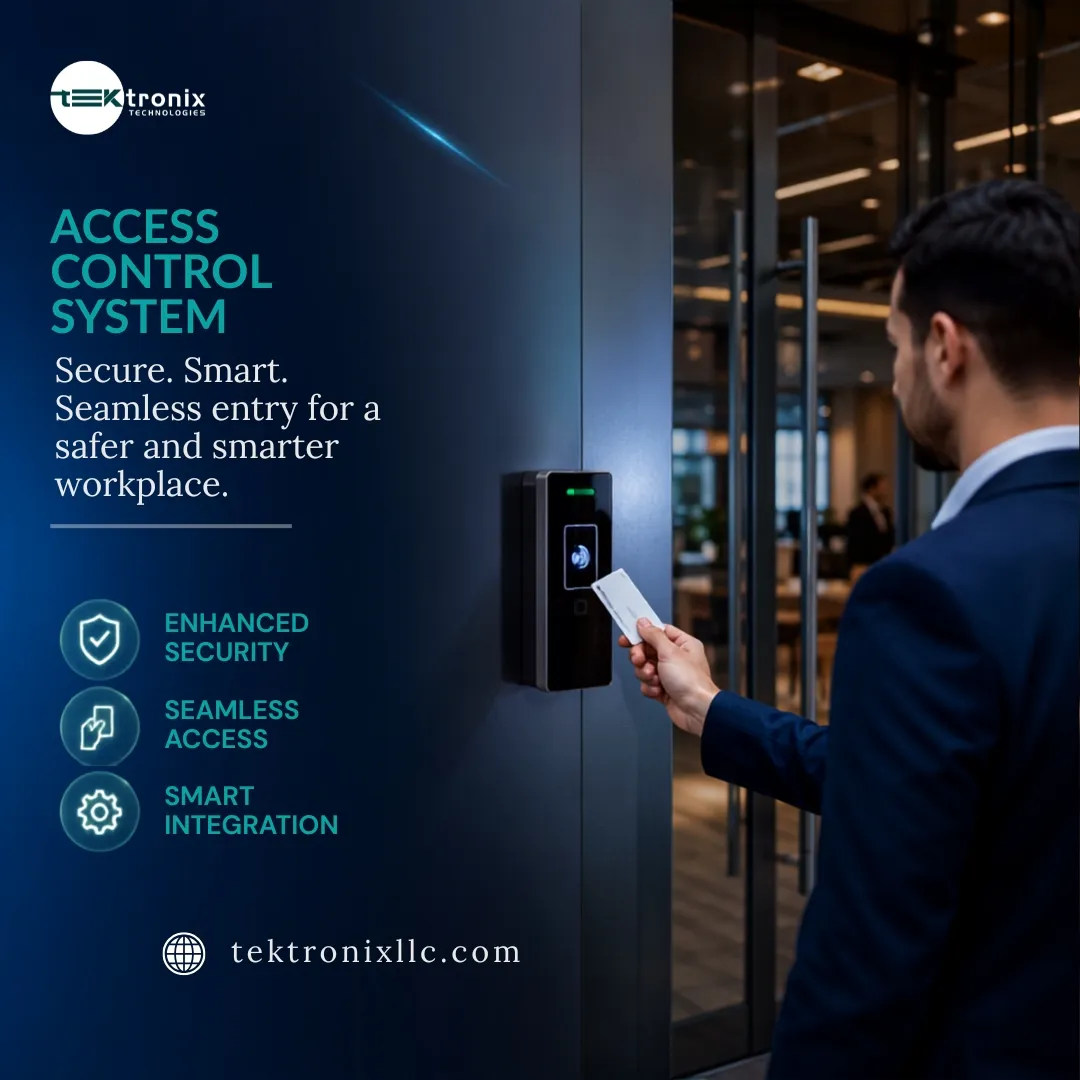

Ministries, municipalities, courts, and police directorates across Kuwait and the wider Gulf region combine public-facing service counters with archives, server rooms, and executive floors that need to stay closed to almost everyone. Public Sector Security with Access Control System deployments are how these buildings now separate the two, replacing a single locked door and a shared key with credentialed checkpoints that decide, room by room, who is allowed through.
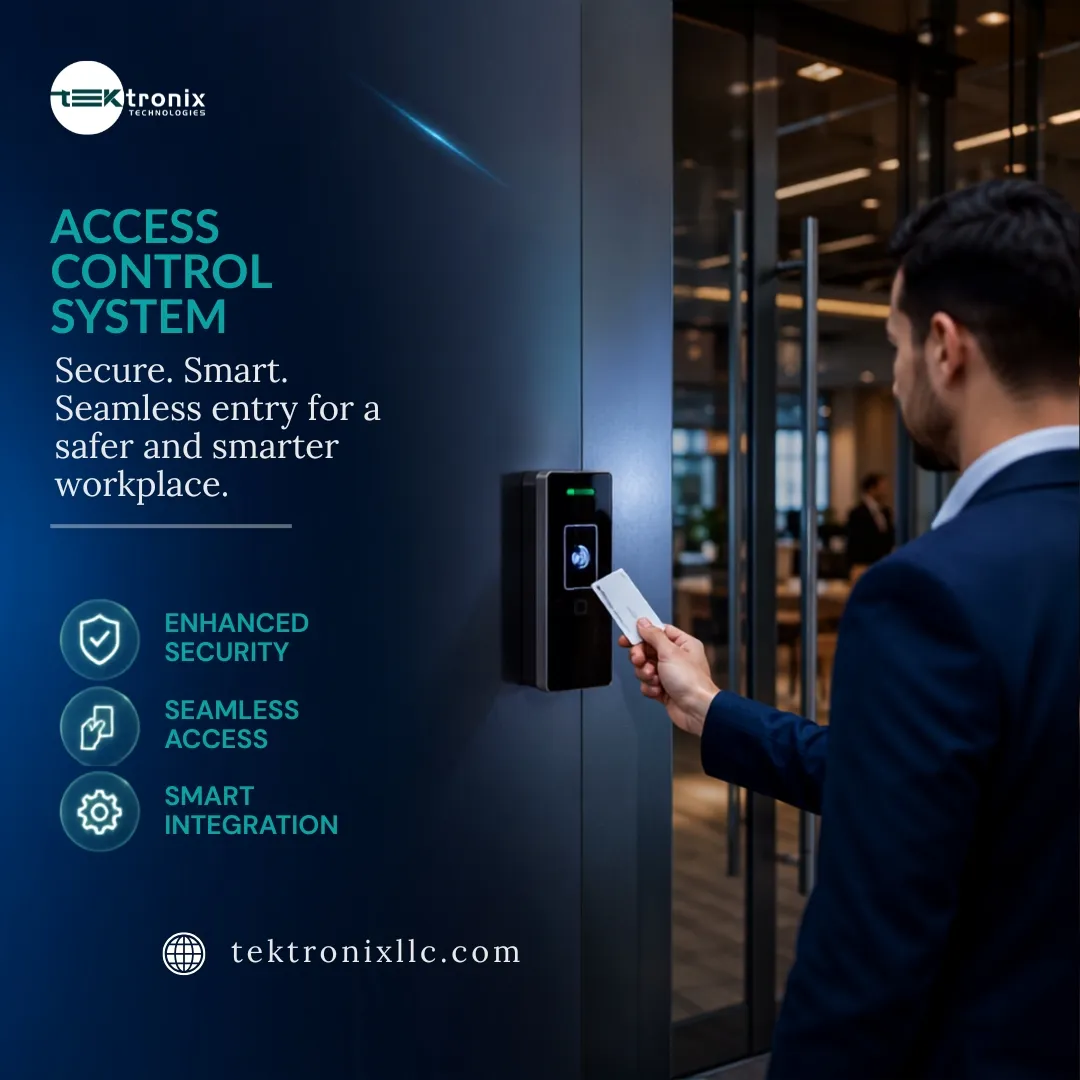
Why Government Facilities Across Kuwait and the GCC Need Layered Access Control
A government building rarely has one uniform security requirement. A civil documentation counter needs to stay open and approachable to the public, while a records archive or evidence room a few floors up needs to stay closed to nearly everyone. Treating an entire building as a single security zone either locks out staff who need frequent access or leaves sensitive areas reachable by anyone who gets past the lobby. Public authorities across Kuwait, working alongside bodies such as the Ministry of Interior and the Public Authority for Civil Information, along with counterparts across the GCC following regional standardization guidance from the GCC Standardization Organization, increasingly expect each zone of a facility to carry its own deliberately configured level of restriction rather than one blanket policy applied everywhere.
What an Access Control System Delivers for Public Institutions
At its foundation, an Access Control System ties together card or biometric readers, door controllers, and a central management platform so every door in a facility can be governed from one dashboard rather than a scattered collection of standalone locks. Administrators can grant, restrict, or revoke access to any door instantly, review a time-stamped log of every entry attempt, and tie permissions to shift patterns so a contractor's credential works only during an assigned window rather than remaining active indefinitely.
Engineering a Security Access Control System for High-Risk Government Sites
Ministries and judicial buildings typically need more than a single-factor badge tap at the door. A Security Access Control System designed for these sites layers risk-tiered zones - public lobby, staff floors, archives, server rooms - each requiring progressively stronger verification. Anti-passback logic prevents one credential from letting in a second person immediately behind it, and integration with CCTV and intrusion alarms means a forced door or a string of failed access attempts triggers an alert rather than going unnoticed until the next patrol.
Biometric Access Control System: Verifying Identity, Not Just Credentials
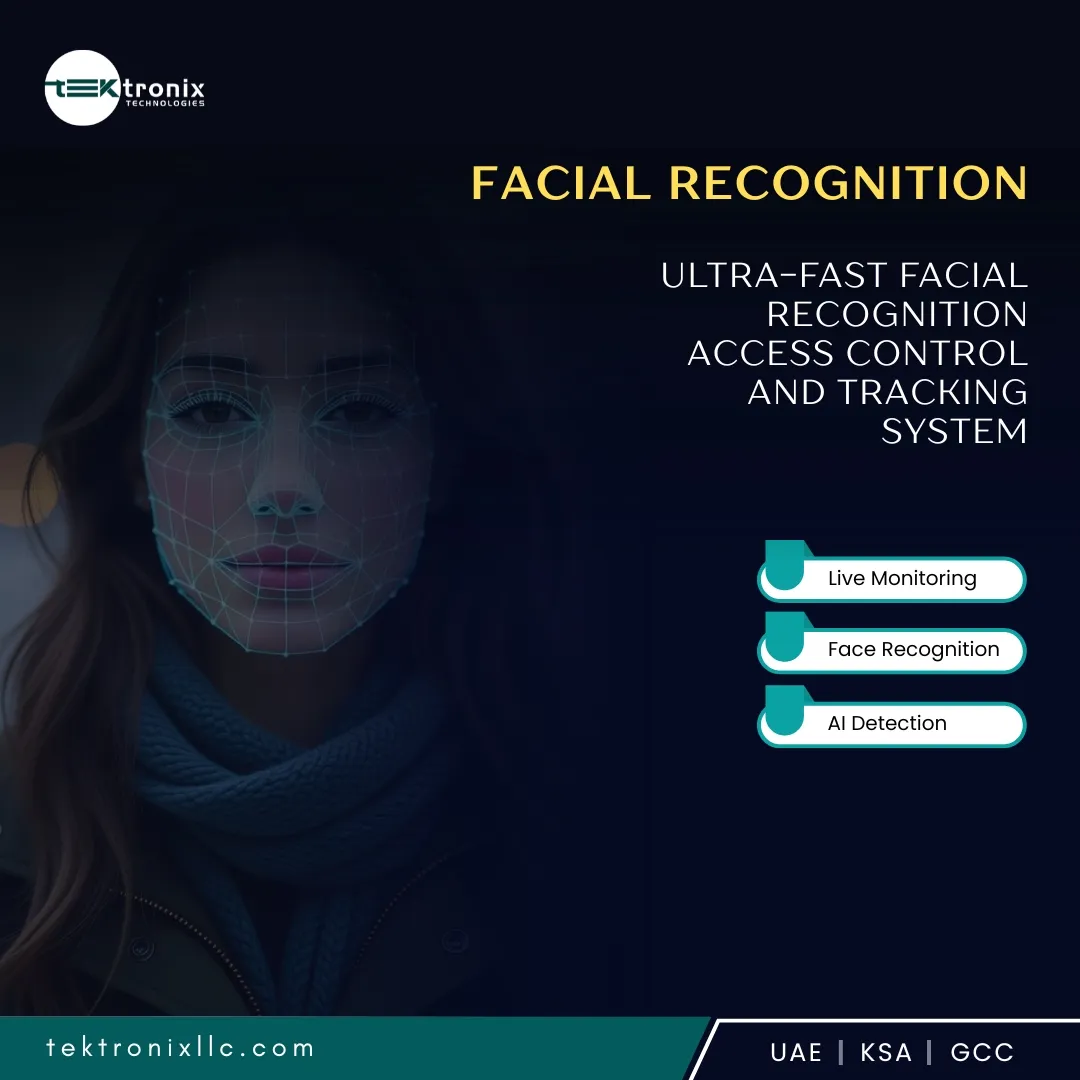
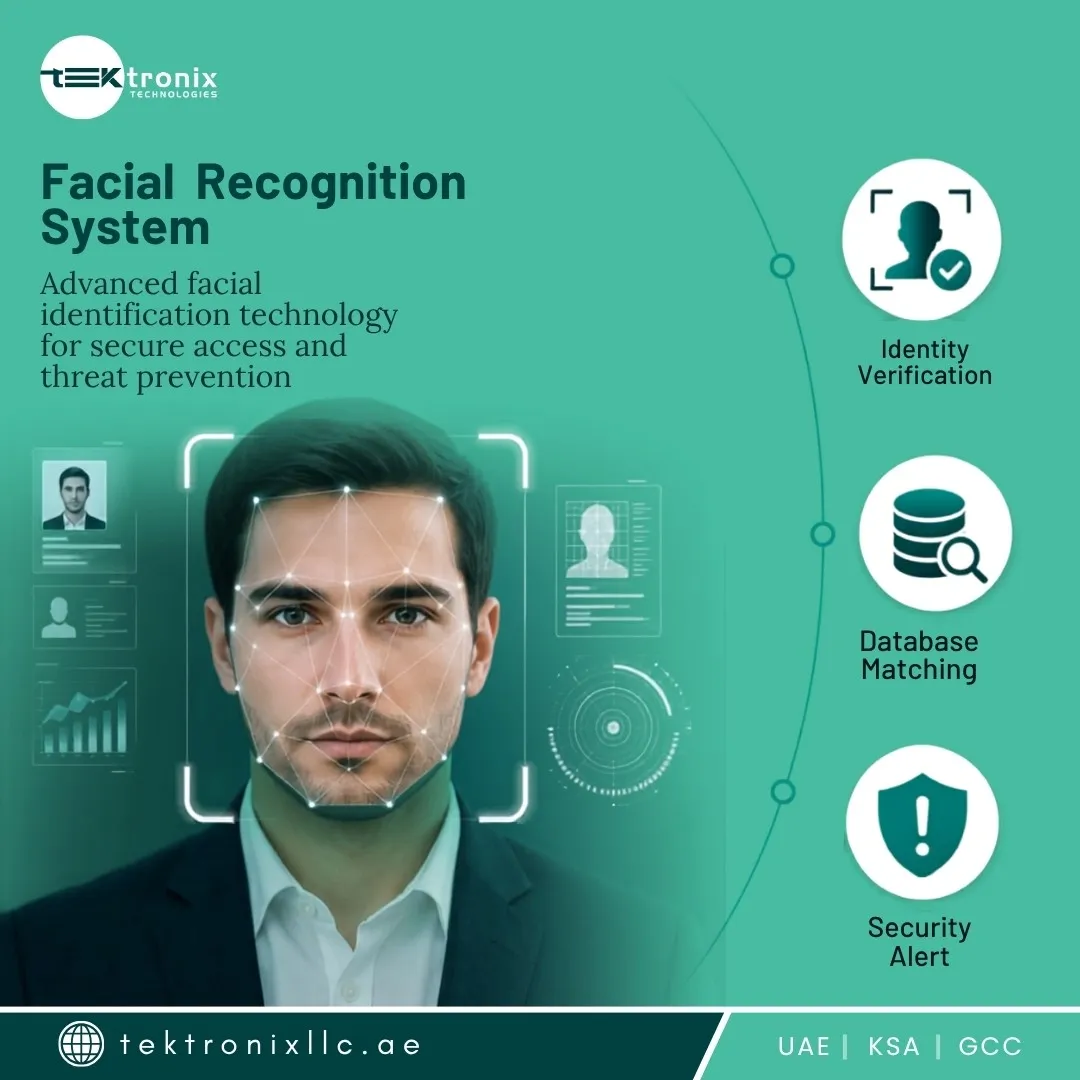
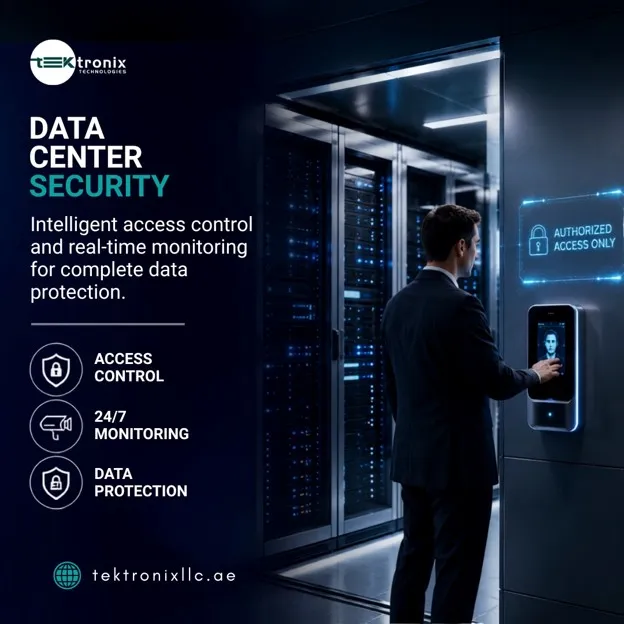
Cards can be lent out, and PINs can be shared over a phone call - neither confirms that the person standing at the door is the person the credential actually belongs to. A Biometric Access Control System closes that gap using fingerprint or facial verification at courts, police buildings, and other high-security government sites across Kuwait and the GCC, tying access to a physical identity rather than an object that can change hands without anyone noticing.
Door Access Control for Restricted Zones and Sensitive Wings
Not every door in a public sector building should open to the same group of people. Door Access Control configured at the individual door level lets administrators set separate permissions for server rooms, evidence storage, archive wings, and executive floors instead of relying on a single building-wide access level. This granularity matters most during an internal investigation, when knowing exactly who could - and did - open a specific door makes the difference between a quick resolution and an open-ended one.
Mobile Access Control for a Modern, Mobile-First GCC Workforce
Physical badges are easy to forget, lose, or leave behind on a desk overnight, and Gulf public sector workforces increasingly expect mobile-first tools for routine tasks. Mobile Access Control issues credentials directly to an employee's or inspector's phone, letting facilities managers grant a contractor or visiting auditor a time-boxed digital pass that expires automatically, without printing and later collecting a physical card. For departments with rotating shifts or field inspectors moving between sites, this removes a recurring administrative task from the security desk.
Choosing the Right Access Control Device for Every Checkpoint
Software governs the rules, but a physical Access Control Device is what actually reads a credential at the door. Government sites typically mix card readers, biometric scanners, and keypad terminals depending on the checkpoint - a glass-fronted lobby entrance has different mounting and durability requirements than a fire exit or an underground parking gate. Matching the right device to each door type, rather than deploying one hardware model everywhere, avoids readers that are either overkill for a low-risk door or too weak for a high-risk one.
Access Control Solutions Built Around Ministry and Municipal Workflows
Individual readers and controllers only deliver real value when they're assembled into a coherent, department-specific rollout. Comprehensive Access Control Solutions bundle credential issuance, zone configuration, staff and visitor permission tiers, and integration with existing CCTV or visitor management platforms into one project, configured around how a specific ministry, municipality, or judicial authority actually operates day to day rather than a generic template applied regardless of layout.
Regulatory Alignment Across Kuwait and the Wider GCC
Access logs and biometric data are sensitive records in their own right, since they reveal exactly who moved through a government facility and when. A properly configured deployment encrypts credential and biometric data at rest, restricts log visibility to designated security officers, and applies retention periods aligned with each country's data protection expectations rather than keeping records indefinitely. Requirements differ slightly between Kuwait, Saudi Arabia, Qatar, Oman, and Bahrain, so a GCC-wide rollout needs a compliance framework flexible enough to accommodate each jurisdiction's specific rules rather than a single fixed policy applied uniformly across borders.
Deploying an Access Control System Kuwait: Local Considerations
Kuwait's government facilities range from dense, high-footfall service centers in Kuwait City to more specialized sites such as judicial complexes and utility authorities, each with a different balance of public access and restricted zones. An Access Control System Kuwait deployment typically needs to handle high daily walk-in volume at public counters without slowing service, while still enforcing strict, tiered restrictions on the floors and rooms the public never sees, and coordinating with local civil identification frameworks where credential verification ties into national ID systems.
Scaling an Access Control System GCC-Wide Across Multiple Countries
Public authorities operating across more than one Gulf country face a coordination challenge that a single-country deployment doesn't - reconciling different regulatory expectations, credential standards, and reporting formats across borders. A well-planned Access Control System GCC rollout centralizes policy management under one platform while still allowing country-specific configuration for data residency, retention, and integration with each nation's own digital-identity infrastructure, so a single administrator team can maintain consistent standards without forcing every country into an identical, one-size-fits-all setup.
Integration With Surveillance, Visitor Management, and Perimeter Security
An access control platform delivers considerably more value when it's tied to the facility's other security layers rather than operating in isolation. Linking door events to camera footage, visitor registration records, and perimeter barrier logs means a security officer reviewing an incident can pull a single, correlated timeline instead of manually cross-referencing three or four disconnected systems - a difference that matters most in the minutes immediately following an incident, when a fast, accurate review is most valuable.
Cloud-Managed vs. On-Premise Deployments for Multi-Site Authorities
A ministry or municipal authority rarely operates from a single building - most oversee several offices, service centers, and satellite locations across a country or region. Managing each site through a separate, disconnected panel makes it difficult to apply a consistent policy or pull a unified report across locations. Cloud-managed deployments let one administrator team configure permissions, review logs, and push policy updates across every site from a single dashboard, while on-premise setups remain preferable for facilities with strict data-residency requirements calling for records to stay physically within the country or building. Many public sector rollouts across the GCC now blend both models rather than committing to one approach across an entire portfolio.
Contractor and Temporary Staff Access Management
Public sector buildings rely heavily on external contractors - maintenance crews, IT vendors, and cleaning staff - who need access for a defined period rather than indefinitely. Treating a contractor's credential, the same way as a permanent employee's badge creates a long tail of active access rights nobody remembers to revoke once a contract ends. A properly configured deployment ties every temporary credential to a start and end date at the point of issuance, so the access right disappears on schedule instead of depending on someone manually deactivating it weeks or months later.
Total Cost of Ownership for Multi-Country Access Control Projects
Budget planning for a regional rollout needs to account for more than the upfront cost of readers and controllers at each site. Software licensing across multiple countries, credential issuance for a growing and geographically dispersed headcount, firmware updates across dozens or hundreds of doors, and periodic hardware replacement all factor into the real cost over a system's lifespan. Authorities that plan for this from the outset - rather than treating access control as a one-time capital purchase per country - tend to avoid the situation where systems in different countries drift out of sync, becoming incompatible with each other and harder to manage as a single regional program.
Emergency Lockdown and Evacuation Coordination
Access control isn't only about keeping people out during normal operations - it also plays a direct role during a security incident. A centrally managed system can lock down specific floors or an entire building from a single command during an event, and just as importantly, can unlock designated exits automatically to support evacuation without waiting for someone to physically override each door. For public buildings hosting large numbers of visitors on any given day, having this capability tested and ready ahead of time matters as much as the everyday access rules themselves.
Training Front-Line Staff Alongside Hardware Deployment
Even the most capable system underperforms if the people operating it day to day haven't been trained on it properly. Security officers need to understand override procedures for VIP arrivals or emergencies, front-desk staff need a clear process for issuing temporary credentials without bypassing approval steps, and IT teams need documented escalation paths for hardware faults. Rollouts that pair equipment installation with structured handover training for each of these groups tend to see far fewer manual workarounds - the informal shortcuts that quietly reintroduce the same security gaps the system was installed to close.
Why Tektronix LLC Is Trusted Across Kuwait and the GCC
Tektronix LLC brings hands-on experience delivering access control, video surveillance, and visitor screening projects for government, semi-government, and private sector clients across the UAE and the wider GCC, including Kuwait. Every deployment is built around manufacturer-certified hardware — including HID Global and Suprema readers, ZKTeco biometric terminals, and Axis, Hikvision, or Dahua camera integration compatible with Genetec and Milestone platforms - so the access control layer works alongside a facility's existing security infrastructure rather than replacing it wholesale. Facility managers comparing integrators across the region can review the access control system for government facilities across the GCC page for the hardware options, compliance documentation, and support structure used on completed regional projects.
Implementation Best Practices for Public Sector Access Control
- Map every door to a risk tier before selecting hardware, rather than applying one device model building-wide.
- Tie access permissions to shift schedules so contractor and temporary staff credentials expire automatically.
- Integrate access logs with CCTV footage so a flagged entry can be matched to recorded video within seconds.
- Set biometric and credential data retention periods according to each country's specific regulatory requirements.
- Review access logs for repeated failed attempts or unusual after-hours entries as part of a routine compliance schedule.
Conclusion
Securing a public sector building across Kuwait and the GCC today means moving well past a single locked door and a shared key. An Access Control System combined with a Security Access Control System for high-risk zones, a Biometric Access Control System for identity-verified entry, precise Door Access Control at sensitive rooms, Mobile Access Control for a modern workforce, and the right Access Control Device at every checkpoint together form Access Control Solutions that give ministries, municipalities, and judicial authorities a defensible answer to who can enter their buildings and why. Facilities evaluating an Access Control System Kuwait or an Access Control System GCC rollout can review Tektronix LLC's access control system for the hardware, compliance framework, and support model behind completed government deployments across the region.
Frequently Asked Questions
1. How is a government access control deployment different from a standard office setup?
Government sites typically require risk-tiered zoning, biometric verification for restricted areas, anti-passback controls, and audit-ready logs - layers a standard office badge system usually doesn't include.
2. Can biometric access control work alongside our existing card-based system?
Yes. Biometric readers are commonly deployed at higher-risk doors while card or mobile credentials continue to serve lower-risk areas, all managed from the same central platform.
3. How does a GCC-wide rollout handle different regulatory requirements per country?
A well-planned deployment centralizes policy management under one platform while allowing country-specific configuration for data residency, retention, and local regulatory alignment, rather than forcing one uniform setup across every jurisdiction.
4. Is access and biometric data handled securely for Kuwait-based deployments?
Deployments are configured with encrypted storage, role-based log visibility, and retention periods aligned with local data protection expectations, so records aren't accessible beyond designated security staff or kept indefinitely.
5. Can the system integrate with our current CCTV and visitor management platforms?
In most cases, yes. Access control platforms are commonly integrated with existing camera systems such as Genetec or Milestone and with visitor management platforms, so entry events, video, and visitor records can be reviewed together.
Biometric Access Control System




























Sign in to leave a comment.