
Many people live with crooked teeth for years. They feel unhappy with their smile. Some struggle with crowding that makes cleaning difficult. Others notice jaw strain due to a poor bite. Yet they delay orthodontic care.
Fixed braces are reliable. They move teeth in a controlled way. However, the brackets and wires are visible. They can feel uncomfortable. Food restrictions can become frustrating. Adults in professional settings often feel self-conscious. Teenagers may worry about teasing.
I have met patients in their thirties and forties who say the same thing. They wanted straighter teeth earlier. They just did not want the look of metal. Invisalign has changed that discussion for many of them.
What Invisalign Really Is and How It Moves Teeth
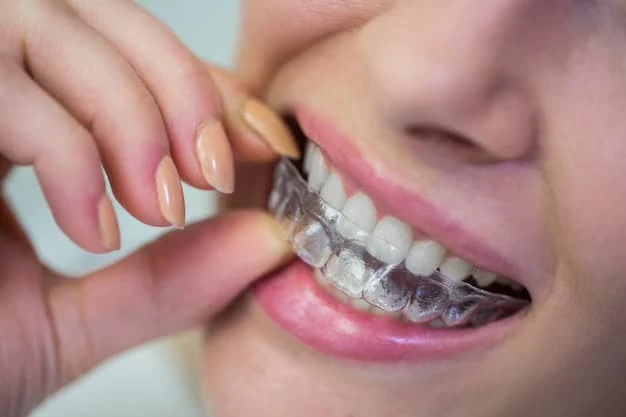
Clear aligners have changed how orthodontic treatment is delivered, but understanding how Invisalign works builds confidence before starting.
Key points about how Invisalign works:
- A digital 3D scan creates a precise model of your teeth.
- Each stage of movement is mapped out before treatment begins.
- Custom-made aligners are produced specifically for your teeth.
- Each aligner is worn for about one to two weeks.
- Teeth move gradually with gentle, controlled pressure.
- Regular clinical reviews monitor progress and make adjustments if needed.
The process is structured, planned, and clinically guided. Invisalign does not rely on guesswork. It follows a carefully designed treatment sequence that supports predictable results.
Why Adults Feel More Comfortable Choosing Invisalign
Adults often delay treatment because they do not want visible braces at work or social events.
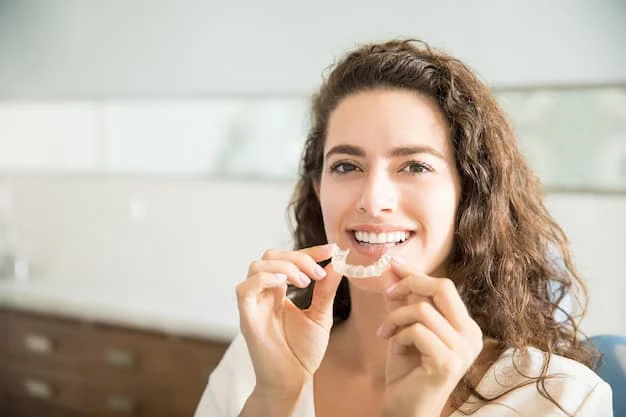
Invisalign aligners are clear. From a normal speaking distance, they are difficult to notice. This allows many patients to attend meetings, presentations, or family events with greater confidence.
Another benefit is removability. You can take out Invisalign before meals. You can also remove it for important occasions if needed, though it should be worn for 20 to 22 hours daily.
There are no food restrictions in the same way as with fixed braces. You can still enjoy apples, crusty bread, or nuts. You simply remove the aligners first.
For many adults, this flexibility makes treatment feel realistic rather than restrictive.
A Closer Look at Comfort and Daily Life
Orthodontic treatment should not feel like a daily struggle. Comfort and practicality matter just as much as results.
How Invisalign affects daily life:
- No metal brackets rubbing against cheeks or lips.
- No tightening of wires during appointments.
- Aligners are removable for meals.
- No strict food restrictions.
- Brushing and flossing remain simple.
- Fewer emergency visits due to broken brackets.
For many patients, the overall experience feels lighter and more manageable. Comfort alone does not replace clinical effectiveness, but it can make the journey far easier to maintain.
Clinical Assessment: Not Every Smile Is the Same
Invisalign can treat many orthodontic concerns. These include mild to moderate crowding, spacing, overbite, underbite, and relapse after previous braces.
However, not every case is suitable. Complex bite discrepancies or significant jaw issues may still require fixed appliances.
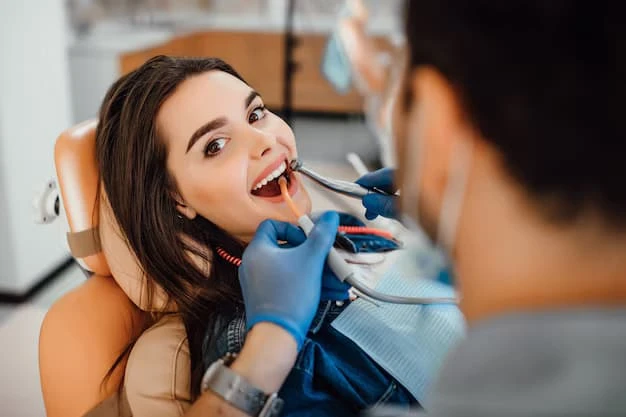
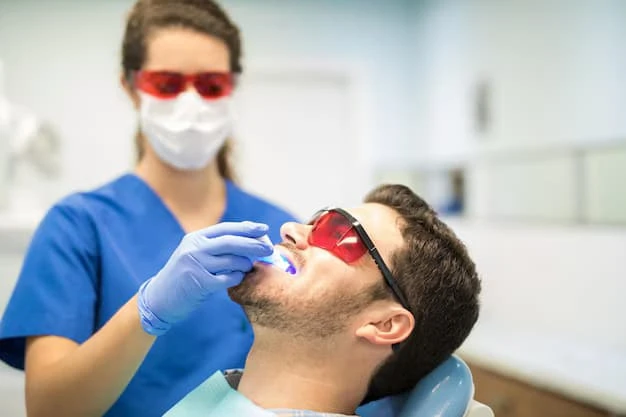
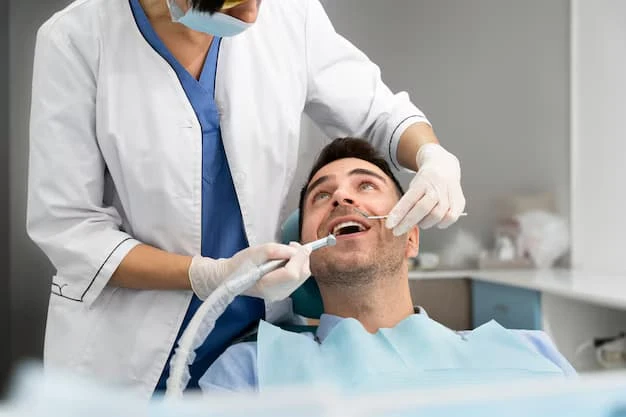
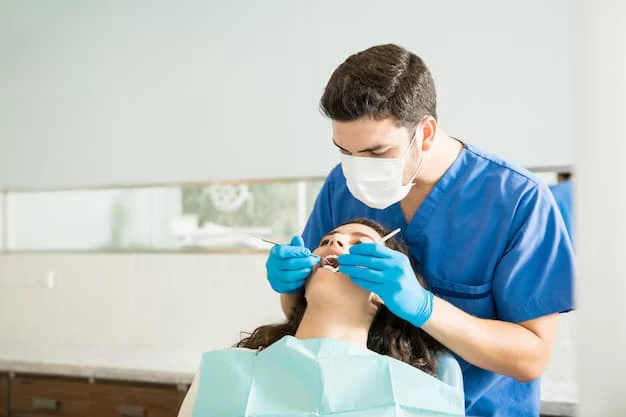
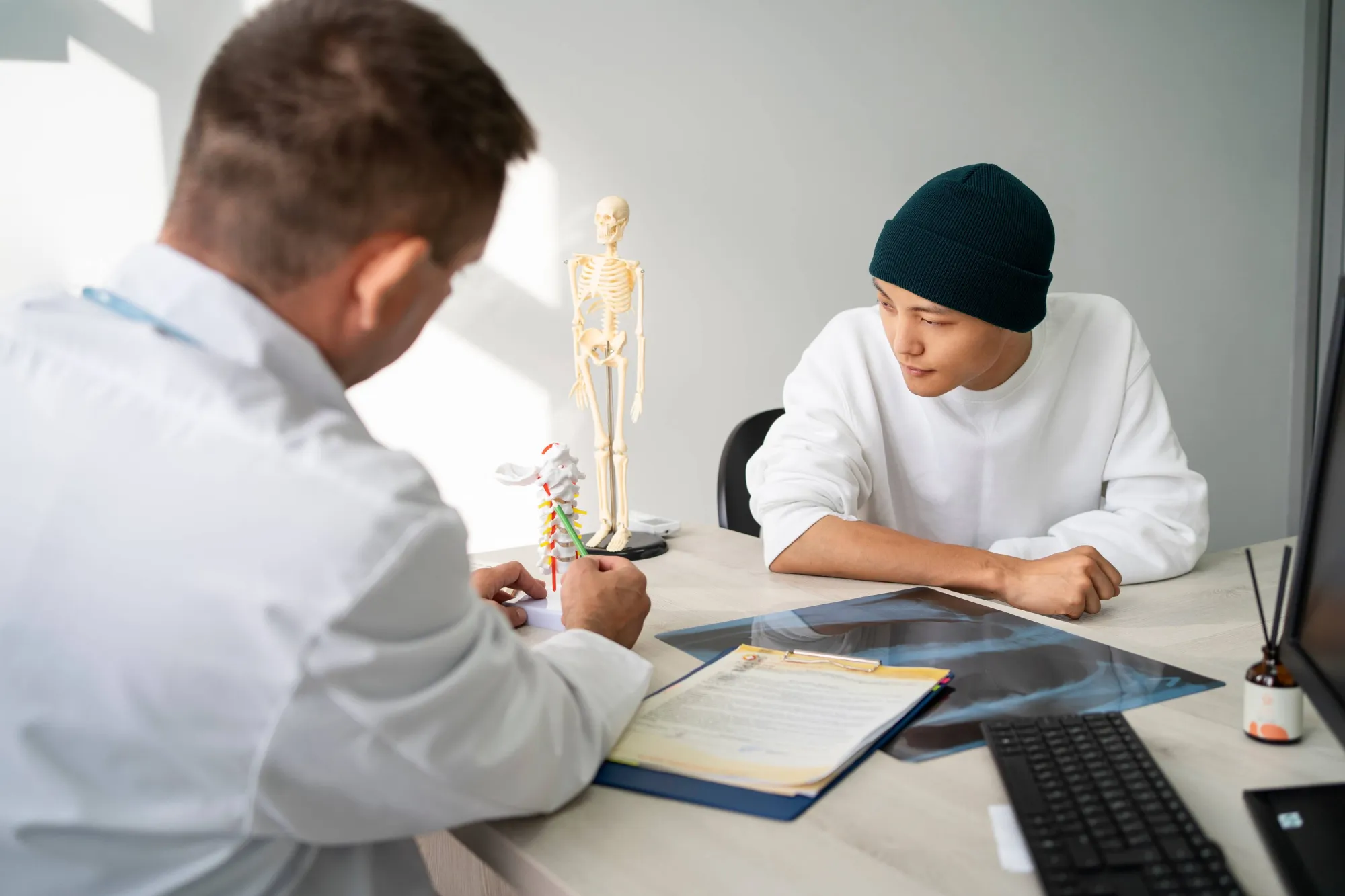
A proper consultation is important. Your clinician will assess gum health, bone support, and overall oral condition. Digital scans and photographs guide planning. Clear communication about realistic outcomes builds trust.
Orthodontic care should always be tailored. Invisalign is a tool, not a universal answer. Used appropriately, it can achieve predictable results.
Responsibility and Wearing Time Matter
Invisalign offers flexibility, but success depends on commitment. The system works only when worn as advised. Unlike fixed braces, aligners can be removed. This makes discipline essential.
Important responsibilities during Invisalign treatment:
- Wear aligners for 20 to 22 hours per day.
- Remove them only for eating, drinking, brushing, and flossing.
- Clean aligners daily to prevent build-up.
- Attend scheduled review appointments.
- Move to the next set only as instructed.
Orthodontic care is always a partnership between clinician and patient. With consistent wear, Invisalign can deliver steady and controlled tooth movement.
The Health Benefits Beyond Appearance
Straighter teeth are not only about appearance.
Crowded teeth can trap plaque. This increases the risk of decay and gum disease. Misaligned bites may cause uneven wear. Some patients experience jaw discomfort or headaches linked to bite strain.
By aligning the teeth properly, Invisalign can help improve cleaning access. It can also create a more balanced bite. This may reduce long-term stress on certain teeth.
Improved alignment supports both oral function and long-term stability. The goal is not simply cosmetic change. It is a healthier structure.
Teen Treatment and Growing Smiles
Teenagers often feel anxious about visible braces. Clear aligners can make orthodontic care feel less daunting during school years. Invisalign offers a version designed specifically for teens, taking into account growing mouths and active lifestyles.
How Invisalign supports teenage patients:
- Clear design that is less noticeable in social settings.
- Wear indicators that help track compliance.
- Removable aligners for sports or musical instruments.
- Digital planning that monitors tooth development.
- Gradual movement suited to developing smiles.
However, maturity is important. Teens must be willing to wear aligners consistently. Parents and clinicians should discuss expectations openly before treatment begins.
Costs, Reviews, and Long-Term Stability
Cost varies depending on case complexity and length of treatment. In many practices, Invisalign is comparable in fee to fixed braces. Payment plans are often available.
Regular review appointments are required. After treatment, retainers are essential. Teeth can drift back without retention. This applies whether you choose braces or Invisalign.
Retention is not optional. It protects the investment you have made in your smile.
Why Invisalign Has Shifted Patient Attitudes
Over the past decade, more adults have stepped forward for orthodontic care. One major reason is Invisalign.
When the visual barrier of metal braces is removed, hesitation often decreases. Patients who once avoided treatment feel more open to starting.
The process feels modern and structured. Digital planning adds clarity. Removability offers flexibility. For many, these factors reduce anxiety.
Invisalign does not remove the need for professional oversight. It does not eliminate responsibility. However, it changes how treatment fits into everyday life.
Final Thoughts: A Different Way to Approach Straight Teeth
Avoiding orthodontic care because of metal braces is understandable. Concerns about appearance, comfort, and lifestyle are real. Invisalign offers an alternative that feels more discreet and adaptable. It uses clear aligners and digital planning to guide steady tooth movement.
Oral hygiene remains easier. Social confidence often improves. Still, commitment is essential, and not every case will suit aligners. A thorough consultation provides clarity and direction. If metal wires have held you back, Invisalign may open the door to care that feels manageable, structured, and aligned with modern daily life.


























Sign in to leave a comment.