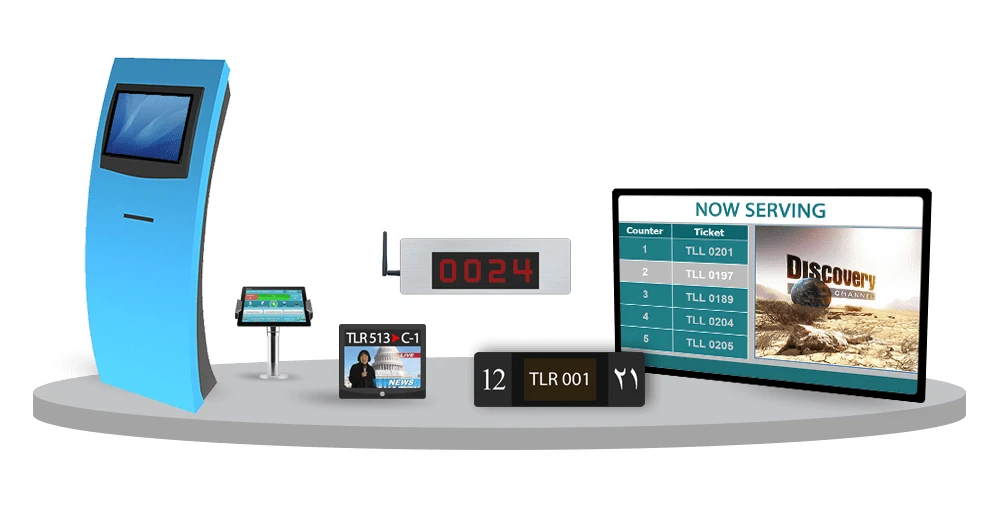

What Is a Queue Management System?
Ever thought about how some of the places cure their patients of not standing in queue? That is the power of a Queue Management System (QMS) - it is such a hero that brings a flip in the house, drawing the chaos into order. Think of it as your assistant, traffic manager, and mind reader all rolled into one, making queues smoother for all.
Understanding Queue Management System Software
At the heart of a queue management system is software or a combination of software and hardware that seeks to assist in managing queues. Gone is the experience of crowded waiting rooms- queue management systems facilitate:
· Either physical or virtual queues for customers
· Remote check-in by customers
· Notifications for customers when it is their turn
· Clever service flow management by staff
Why Businesses Need Queue Management Systems?
It's an open secret: Waiting is an unavoidable evil, except that the wait must feel shorter and less annoying; banks and airports have distinctively busy queues that can be very comforting for banks and airports to manage.
Traditional vs. Electronic Queue Management Systems
Some environments, like airport security lines, require physical queues. But many businesses are shifting to electronic queue management systems that let customers wait comfortably, without standing in tight lines.
The Benefits of Electronic Queue Management
- Freedom of Movement: Customers don’t have to be tethered to a spot; they can relax, browse, or work while waiting.
- Informed Service: Staff get details beforehand, tailoring service to customer needs.
- Less Employee Distraction: No more managing lines manually, so employees focus fully on customers being served.
- Reduced Wait Times: Improved efficiency often means quicker service.
- Better Perceived Wait Times: When customers aren’t watching the clock, the wait feels shorter.
How Queue Management Systems Work?
When customers arrive, they either check in physically or via a digital platform. The system then:
- Registers their place in the queue
- Sends notifications when it’s their turn
- Collects data on wait times and service duration
Analytics and Reporting: The Hidden Power
While customers don’t see this, the data collected is gold for businesses. Reports reveal:
- Average wait times
- Peak busy hours
- Customer drop-off points
- Service durations
These insights help optimize staffing, hours, and overall operations.
Improving Customer Service Through Queue Management
If you think queues are just about lines, think again. An advanced system enhances the entire customer experience by:
- Allowing personalized interactions
- Reducing physical congestion
- Providing timely offers or apologies during delays
- Enabling post-service feedback and communication
Real-Life Applications of Queue Management Systems
You’ll find QMS technology in:
- Banks and financial institutions
- Healthcare clinics and hospitals
- Airports and transit hubs
- Retail stores and supermarkets
- Government offices
Each sector adapts the system to fit its unique needs.
Choosing the Right Queue Management Software
Key considerations include:
- Integration capabilities with existing systems
- Ease of use for both staff and customers
- Mobile and remote access features
- Reporting and analytics tools
- Cost and scalability
Common Features to Expect
- Virtual ticketing and remote check-in
- Real-time queue monitoring
- SMS or app notifications
- Customer feedback options
- Customizable user interfaces
Accessibility and Areas Covered
Modern queue systems work across multiple locations and can handle various service types, ensuring accessibility whether in small shops or large enterprises.
Price Factors of Queue Management Systems
Pricing varies widely depending on:
- System complexity (software-only vs. hardware included)
- Number of users or service points
- Customization and support levels
- Cloud-based vs. on-premise solutions
The Intelligent Future of Queue Management
Integrating AI with IoT has resulted in an intelligent queue that predicts busy hours and intelligently allocates employees to prevent waiting before it happens.
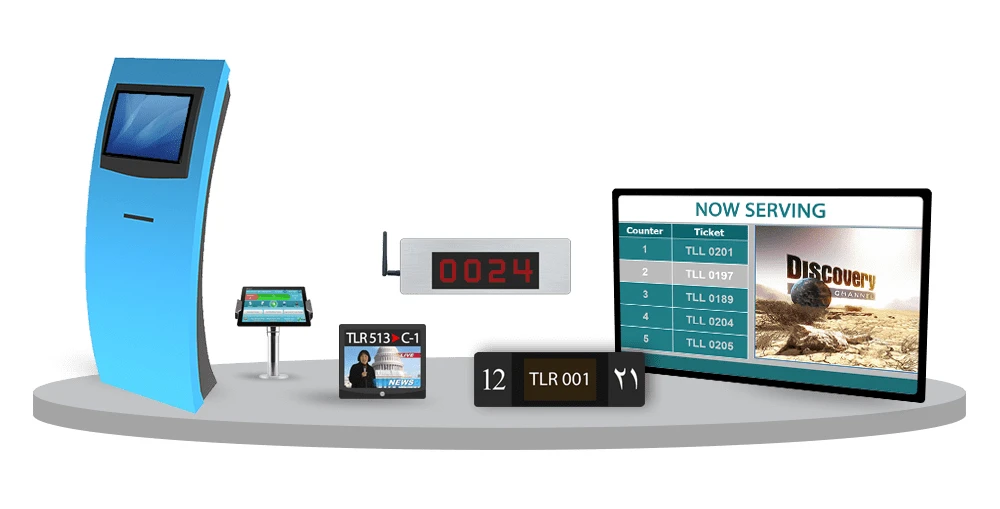
Summary: Propelling Essentials in Queue Management Systems
To summarize:
· Price: It varies according to system specification and scale, but ROI is generally assured through its operational efficiency.
· Areas would include banking, healthcare, retail, airport hubs, and government.
· Accessibility: Modern QMS Software comes with remote check-in as well as mobile notifications.
· Benefits: Reduces physical crowding, increases customer satisfaction, and proves actionable analytics.
As a matter of principle, Queue Management System transformed waiting in line from a nuisance to a just-about-pleasurable segment of the customer journey.
Conclusion
Queue management, say, from the window, is not for line optimization but the overall enhancement of the customer experience while optimizing operations of the business. With this technology, the organization becomes free from endless tedious waiting and guilty tagging of customers and engages happier customers with greater efficiency. So get your business on board and join the queue management revolution?






























Sign in to leave a comment.