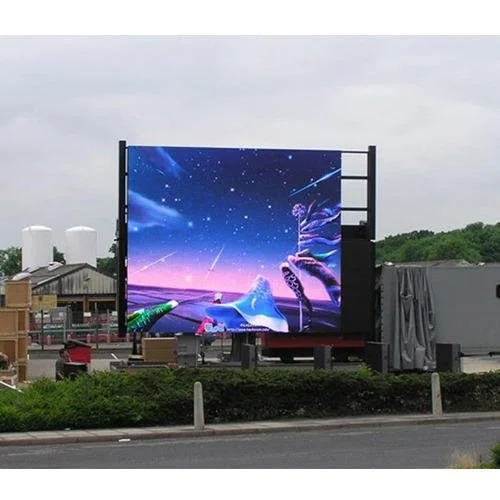

In the fast-moving world of digital displays, one name keeps popping up—SMD screen. Whether it’s outdoor advertising, indoor events, or even command centers, these screens are becoming the go-to solution for crystal-clear, vibrant visuals. But what exactly makes SMD screens so special?
Let’s walk through everything—from what they are, how they work, where they’re used, and what they cost—to help you understand why SMD screens are the future of digital display technology.
What is an SMD Screen?
SMD stands for Surface-Mounted Device. These are LED modules where the LED chips are mounted directly onto the surface of a circuit board.
Unlike traditional LED displays, where individual bulbs are visible, SMD screens offer a sleek, compact design with finer pixel pitch and brighter output.
How Does an SMD Screen Work?
SMD screens are built using three primary color chips—Red, Green, and Blue—all housed in a single pixel. This creates full-color output with:
- Better blending
- Higher brightness
- Wide viewing angles
The technology allows for seamless video, crisp images, and real-time visuals even under sunlight.
Types of SMD Screens
Depending on where and how they are used, SMD screens come in different forms:
1. Indoor SMD Screens
- Ideal for shopping malls, control rooms, conference halls
- High resolution, compact pixel pitch (P1.25, P2.5, etc.)
- Lower brightness as they are not exposed to direct sunlight
2. Outdoor SMD Screens
- Designed to withstand sunlight, rain, and dust
- Higher brightness and pixel pitch (P4, P6, P8, etc.)
- Used for billboards, stadiums, public areas
3. Semi-Outdoor SMD Screens
- Suitable for covered outdoor spaces like bus stops, store signs
- Moderate brightness and weather protection
Key Features of SMD Screens
Let’s explore the top features that make these screens so powerful:
🔹 High Brightness
Perfect for daylight use, especially in outdoor settings.
🔹 Ultra HD Resolution
Tight pixel pitches make the screen suitable for close viewing.
🔹 Wide Viewing Angles
Viewers can see clear visuals from multiple angles without distortion.
🔹 Lightweight & Slim Design
Easy to install, maintain, and transport.
🔹 Energy Efficient
Despite their brightness, SMD screens are power-saving compared to traditional displays.
Advantages of SMD Screens
Why should you consider an SMD screen? Here’s what sets them apart:
- ✅ Better Image Quality
- ✅ Longer Lifespan
- ✅ Low Maintenance
- ✅ Seamless Video Playback
- ✅ Customizable Sizes
Where Can You Use SMD Screens?
These screens are versatile and fit in almost anywhere:
1. Retail Stores
To attract customers and promote deals.
2. Malls and Exhibition Halls
Used for dynamic advertising and information display.
3. Control Rooms
For real-time monitoring and command operations.
4. Sports Arenas
Live match coverage, scores, and ads.
5. Roadsides and Highways
Billboard ads and public announcements.
How to Choose the Right SMD Screen?
Here are some tips to help you decide:
✔ Determine the Location
- Indoor needs high resolution
- Outdoor requires weatherproofing
✔ Choose the Right Pixel Pitch
- Smaller number = clearer picture from close distance
- For indoors: P1.25 to P3
- For outdoors: P4 to P10
✔ Consider Screen Size
Do you need a large display for a concert or a small signboard?
✔ Budget
Higher resolution means higher price. Balance quality and cost.
Installation Requirements
Installing an SMD screen isn’t just plug-and-play. You’ll need:
- Mounting Structure: Wall-mounted, pole-mounted, or hanging
- Power Supply: Stable current source with proper grounding
- Data Source: Media player or software interface
- Cooling: Some screens need built-in fans or ventilation
Cost of SMD Screens
Let’s talk money. Prices can vary depending on size, resolution, and usage.
Average Pricing (as of 2024):
Type
Pixel Pitch
Price Per Sq. Meter (USD)
Indoor
P2.5
$650 – $850
Outdoor
P6
$500 – $700
High-Res
P1.25
$1000 – $2000
Note: Installation, software, and support may add to the cost.
Top Areas Where SMD Screens Are Popular
- Dubai – For retail and real estate ads
- New York City – Times Square billboards
- Mumbai – Malls and city streets
- Tokyo – Train stations and tech expos
- London – Sports events and concerts
How Accessible Are SMD Screens Today?
Very accessible. With the global demand increasing, many local and international brands now offer:
- 24/7 customer support
- Remote operation
- Cloud-based software
- Flexible rental options
SMD screens can be bought online or via distributors, and many vendors provide full installation and maintenance packages.
Tips to Maintain Your SMD Screen
To keep it running smoothly:
- 🔧 Clean with a soft cloth regularly
- 🔌 Avoid power surges with stabilizers
- ☀️ Keep away from direct heat sources
- 🔄 Update software for optimal performance
- 🔒 Protect from vandalism in outdoor areas
SMD Screen vs Traditional LED Screen
Feature
SMD Screen
Traditional LED
Clarity
High
Moderate
Viewing Angle
Wide
Limited
Maintenance
Easy
Difficult
Power Efficiency
Better
Less
Design
Slim and Modern
Bulky
Future of SMD Screens
Expect even better resolution, AI-based content, and interactive features. Some newer models are already being used in smart cities, self-driving cars, and AR/VR setups.
Conclusion
SMD screen are transforming how we interact with digital content—indoors or outdoors, small businesses or mega-events. With high resolution, brightness, and reliability, they’re not just displays—they're experiences. So, if you're thinking about stepping up your display game, the future’s already here—and it's shining bright with SMD.


























Sign in to leave a comment.