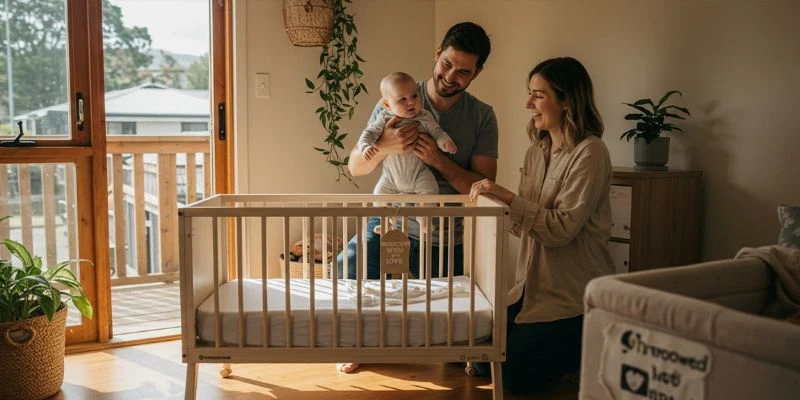

A New Generation of Kiwi Parenting
Parenting has always had a community focus. From food shared at the marae to the local city park where the mums' group would meet, supporting each other has been a constant. Currently, a revolution is quietly unfolding among parents in present-day Aotearoa, namely, parents between the ages of 18 and 45.
Families in metropolitan centers like Auckland and Wellington are imagining a new way to raise children in a time of environmental stress—as well as economic stress—and moving away from excessive consumption and toward sustainable, community-oriented parenting.
The Baby Gear Dilemma
Every new parent knows the pressure: prepare, buy, collect, repeat. Bassinets, swaddles, carriers, monitors, jumpers—it feels like babies need an entire warehouse of things. But here’s a reality check:
- A bassinet is often outgrown in just 4–5 months
- Many baby capsules are only used for 6 months before upgrades
- Thousands of dollars are spent in the first year—on items rarely reused
- Most families admit to storing gear they don’t use or end up throwing it away
In many Kiwi parenting forums and Facebook groups, a recurring theme emerges: “Don’t buy everything new—there’s a better way.”
Sustainable Parenting: A Smarter Mindset
Less Waste, More Impact
New Zealand generates over 17 million tonnes of waste annually, much of it from consumer goods. When it comes to children’s gear—most of which is used for a few months—the waste can be staggering.
- Sustainable parenting encourages us to reduce our footprint by:
- Reusing and sharing instead of discarding
- Extending the lifespan of well-made items
- Avoiding the trap of constant upgrading
It's not about doing without—it's about choosing wisely and sharing freely.
Less Pressure, More Peace
Raising a child in NZ can cost around $15,000 per year in early childhood, depending on lifestyle. Sustainable habits allow families to:
- Avoid high upfront costs
- Skip unnecessary purchases
- Save space and avoid clutter
This way of thinking isn’t just a good financial decision, it’s emotionally liberating. Parents can feel clarity and confidence when they focus on the real things in life.
Connecting Community
When families share, borrow, or reuse instead of purchasing all new, connections happen; or maybe it’s just providing a quicker path to connections. When you borrow a buggy from a friend, accept hand-me-downs from a local parent, or pass on toys that you are no longer using, you create ways that are meaningful, have positive environmental impacts, and strengthen social ties.
New parents are developing informal community networks in Auckland and Wellington that:
- Offer support
- Build trust
- Encourage mutual care
- Reduce isolation
These community-driven relationships often prove more valuable than the items exchanged.
What Does Real-Life Sustainable Parenting Look Like?
We need to be clear that sustainable parenting is not about perfection, or making a family that looks great on Pinterest. It is about progress. Here are just a few examples of how Kiwi parents are making successful mindful choices:
- Utilize your local Parenting group to swap baby clothes and equipment and toys
- Shop at local community markets for pre-loved baby items
- Being minimalist (needs over wants).
- Making quality choices over quantity
Including families in conversations about reusing, caring for things, and gratitude
Supporting local small businesses and service providers
These habits help children grow up learning to be resourceful and environmentally caring - less influenced by fast consumer culture
The Emotional Clutter of Overconsumption
Sustainability isn’t only about the planet. It’s also about mental space. Constantly buying, storing, and managing clutter can weigh heavily on already tired parents. When you simplify and declutter, you free up time and energy for:
- Bonding with your child
- Rest and recovery
- Meaningful family activities
- Emotional presence in parenting
A simplified environment can reduce stress, promote creativity, and support calmer parenting—something every household can benefit from.
Teaching Our Kids by Example
Children learn from what we model. When they see their caregivers embracing simplicity, sharing with others, and caring for the environment, those values take root.Sustainable parenting is a powerful form of social and environmental education.
What message do we send when we replace rather than repair? When we hoard rather than share?
The sustainable path teaches children that community, care, and connection are far more valuable than a house full of things.
Lighter Living, Stronger Families
By moving away from the idea that “more is better” and valuing sustainability, Kiwi families are not only supporting the planet, they are supporting each other. Choosing to live and parent a little lighter in a consumption-led world can be radical and restorative.
Let’s raise children who value kindness over clutter.
Let’s build families that grow stronger through simplicity.
Let’s parent the sustainable way—together.
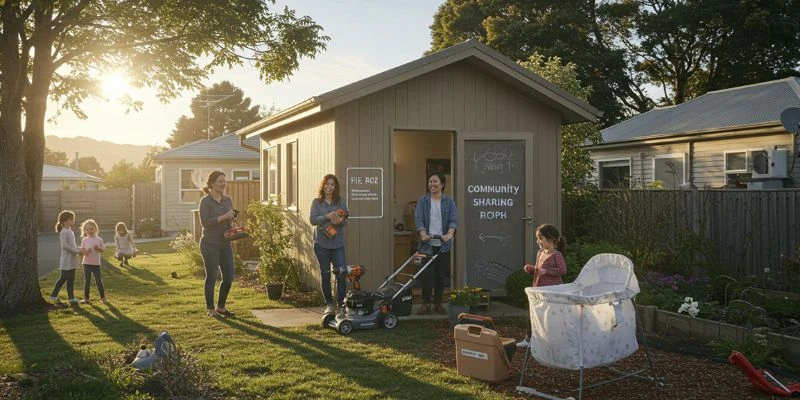
Sign Up to Little Big Shed Today!


















Sign in to leave a comment.