

Southeast Asia and Australia-New Zealand are two of the fastest-growing logistics markets in the world right now. The TMS software conversation happening in Singapore, Kuala Lumpur, Sydney, and Jakarta looks very different from the one happening in North America or Europe, because the operational challenges are different. Multi-border compliance, fragmented carrier networks, rapid eCommerce growth, and mixed transport infrastructure mean that not every global TMS built for Western markets translates cleanly into the regional context.
This is a look at who the main players are in these markets, what each one actually does well, and where Ramco's transportation software fits into that picture.
Who Are the Main TMS Players Operating Across SEA and ANZ Right Now?
CargoWise (WiseTech Global) CargoWise is an Australian-born platform and arguably the most recognisable name in ANZ logistics technology. It is deeply embedded in the freight forwarding and customs compliance space, with strong multi-currency and multi-language capability that serves global forwarders operating across the region. Where it is strongest is customs clearance, cross-border documentation, and freight forwarder workflows. It is less focused on domestic road transport planning, 3PL fleet operations, or multi-client billing management.
Oracle Transportation Management Oracle TMS is enterprise-grade software used by large shippers and manufacturers across ANZ and SEA. It handles global multimodal logistics well and integrates deeply within the Oracle ecosystem. The trade-offs are well-known: high implementation complexity, long deployment timelines, and a cost structure that puts it out of reach for mid-tier logistics operations. It is built for large enterprise shippers, not logistics service providers.
SAP Transportation Management SAP TM follows the same pattern as Oracle. It is powerful within a full SAP landscape and serves large manufacturing and retail organisations with complex transport networks. For businesses not already running SAP, the implementation overhead is significant. For 3PL operators and freight companies, the architecture is designed around shipper workflows rather than service provider operations.
Locus Locus has built a strong presence in SEA, particularly in last-mile and urban delivery optimization for FMCG and retail businesses. Its AI-driven dispatch and route planning capabilities are well-regarded for high-density delivery environments. Where Locus operates best is in the final mile. Long-haul transport planning, multi-modal freight management, and 3PL billing are outside its primary design intent.
Where Each Platform Hits Its Ceiling
| Platform | Strong At | Less Suited For |
|---|---|---|
| CargoWise | Freight forwarding, customs, cross-border | Domestic road transport, 3PL fleet, billing for LSPs |
| Oracle TMS | Large enterprise multimodal, global shipper ops | Mid-tier operators, logistics service providers |
| SAP TM | Manufacturing transport, SAP-integrated operations | Non-SAP businesses, 3PL and freight company workflows |
| Locus | Last-mile, urban delivery, FMCG distribution | Long-haul, multi-modal, integrated billing and WMS |
| Ramco TMS | End-to-end transport for LSPs, 3PLs, multi-modal | Not positioned for small single-route operators |
What Ramco TMS Software Offers That Most Regional Platforms Do Not Combine
Ramco's position in these markets comes from a different starting point. The platform was designed specifically for logistics service providers, not for shippers managing their own transport. That distinction changes a lot of what the software does and how it handles daily operations.
Multi-client rate management, carrier contract automation, owned fleet integration, and billing reconciliation all exist within one platform environment. There is no need to run CargoWise for freight forwarding and a separate TMS for domestic transport and another tool for invoicing. The data flows across all of those functions from a single environment.
For 3PL operators in Malaysia, Singapore, or Australia managing a mix of road freight, last-mile delivery, and contracted carrier networks, that level of integration within one platform removes a class of operational friction that most of the platforms above simply do not address together.
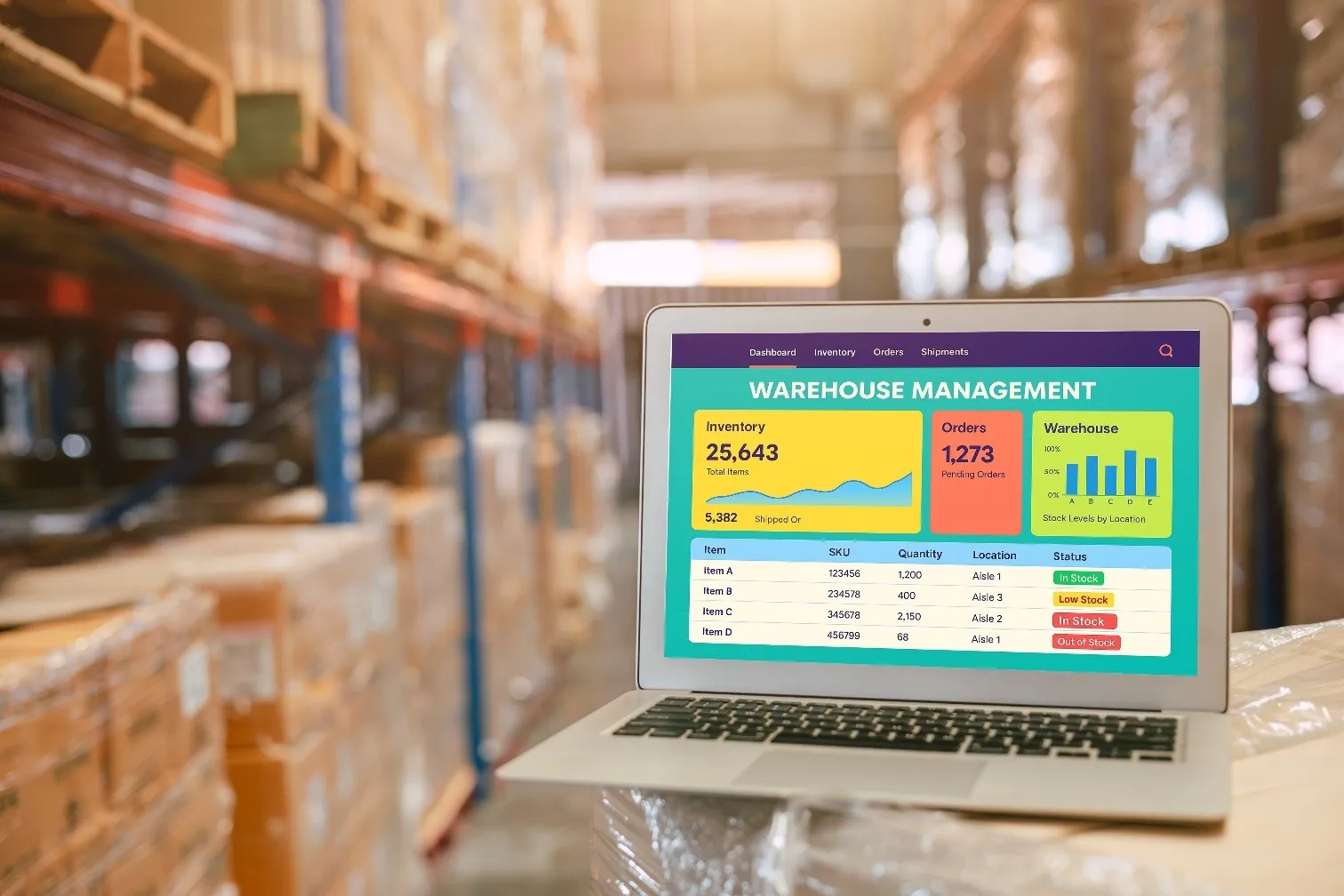
Ramco also covers warehouse management, fleet operations, and billing within the same suite. For logistics businesses looking at a single vendor for end-to-end operations, that breadth is uncommon among the regional players currently active in SEA and ANZ.
Conclusion:
Choosing the Right TMS for a Regional Operation Is About Fit, Not Rankings
Ranking TMS platforms misses the point. CargoWise is excellent at what it does. Oracle TMS is powerful for the right enterprise. Locus does urban last-mile better than almost anyone.
The question that matters is whether the platform was designed for the type of logistics operation you are running. Freight forwarders with heavy customs workflows and a CargoWise deployment should stay there. Large manufacturers inside an Oracle or SAP ecosystem have their answer too.
For 3PLs, road freight operators, and logistics service providers in SEA and ANZ looking for an integrated platform that handles transport, fleet, warehouse, and billing without stitching together multiple vendors, that shortlist gets shorter quickly.
See how Ramco's TMS software is built for the logistics service provider model that defines most of the growth happening in the SEA and ANZ market today.





























Sign in to leave a comment.