
Modern software teams are under constant pressure to ship features faster without compromising quality. With deployments happening daily or even multiple times a day in some organizations - traditional testing approaches often struggle to keep pace. A bug discovered just before release can delay deployment, increase costs, and impact user experience.
This is why continuous testing has become a critical component of modern CI/CD pipelines. Instead of treating testing as a separate phase at the end of development, teams integrate automated tests throughout the software delivery lifecycle, enabling faster feedback and more reliable releases.
However, successful continuous testing depends on more than simply automating a few test cases. Choosing the right test automation tools can significantly influence test coverage, execution speed, maintenance effort, and overall software quality.
In this article, we'll explore the best test automation tools for continuous testing in CI/CD pipelines, their strengths, ideal use cases, and how to choose the right solution for your team's needs.
Why Continuous Testing Matters in CI/CD
Continuous Integration (CI) and Continuous Delivery (CD) aim to accelerate software releases through automation. But speed without quality control can quickly become a liability.
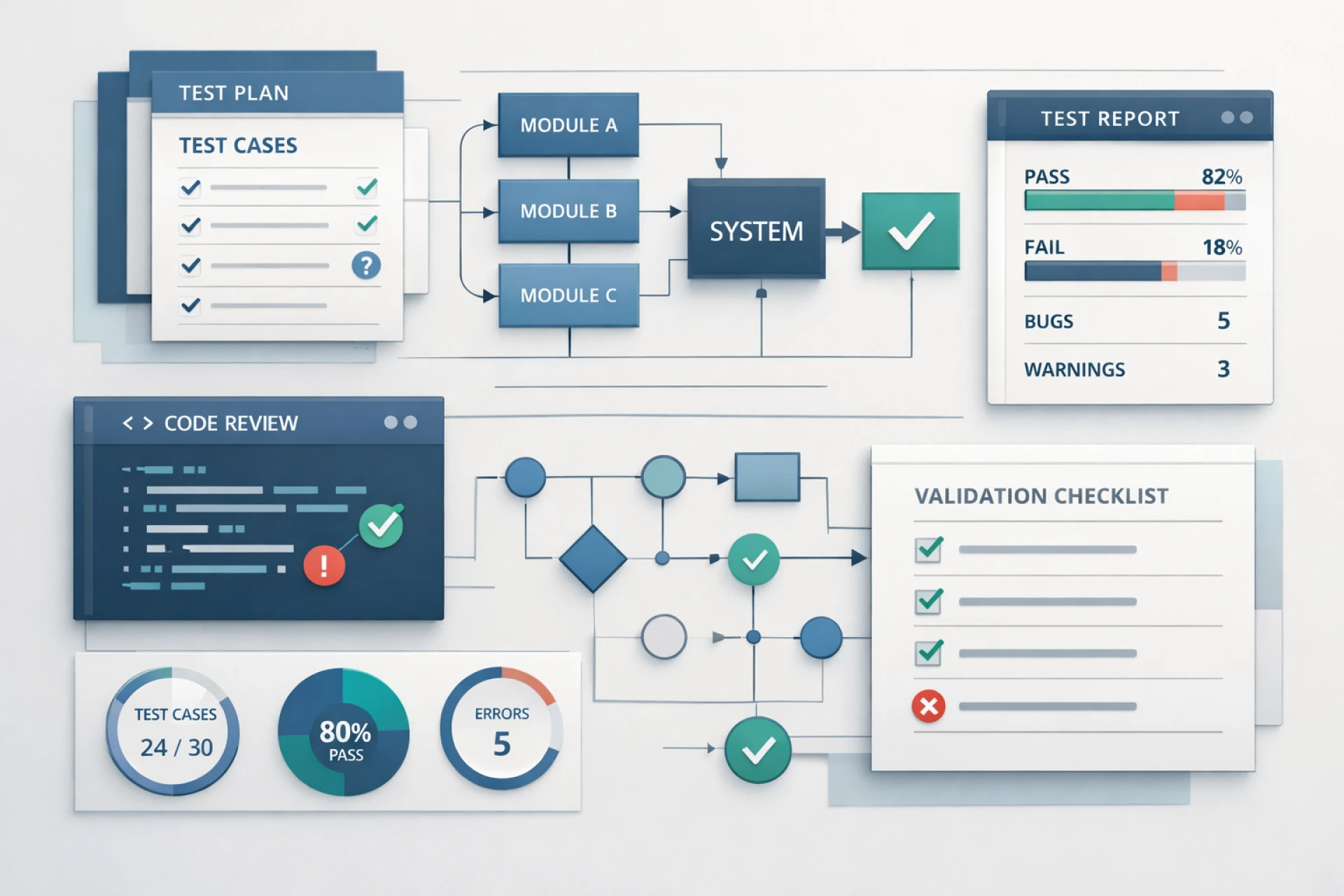
Continuous testing addresses this challenge by automatically validating code changes throughout the development pipeline. Whenever new code is committed, automated tests can verify functionality, detect regressions, and provide immediate feedback to developers.
Benefits of continuous testing include:
- Faster identification of defects
- Reduced deployment risk
- Improved software quality
- Shorter feedback cycles
- Greater confidence in frequent releases
- Better collaboration between development and QA teams
As applications become more complex and distributed, continuous testing has evolved from a competitive advantage into a necessity.
What Makes a Good Test Automation Tool for CI/CD?
Not all testing tools are designed with CI/CD workflows in mind. Before selecting a solution, consider whether it supports the following capabilities:
Fast Test Execution
Long-running test suites can become bottlenecks in deployment pipelines. Tools that support parallel execution and efficient test runs help maintain development velocity.
Seamless CI/CD Integration
The tool should integrate easily with platforms such as GitHub Actions, GitLab CI, Jenkins, CircleCI, and Azure DevOps.
Scalability
A testing solution that works for a small application may struggle as the codebase and test suite grow.
Reliable Reporting
Actionable test reports help teams quickly identify failures and understand their root causes.
Support for Modern Architectures
Many organizations now operate microservices, APIs, cloud-native applications, and distributed systems. Testing tools should align with these architectures.
Maintainability
Automation should reduce effort - not create additional maintenance burdens. Tools that simplify test creation and upkeep often provide better long-term value.
Best Test Automation Tools for Continuous Testing
Different testing challenges require different tools. Rather than searching for a single solution, many teams combine multiple test automation tools to build an effective continuous testing strategy.
1. Playwright
Playwright has emerged as one of the most widely adopted browser automation frameworks for modern web applications. It supports Chromium, Firefox, and WebKit through a unified API and provides robust capabilities for end-to-end testing.
Its reliability, built-in waiting mechanisms, and support for parallel execution make it particularly suitable for CI/CD environments.
Best for:
- End-to-end testing
- Cross-browser testing
- Modern web applications
Strengths:
- Excellent browser coverage
- Fast execution
- Strong CI/CD integration
- Reduced test flakiness
Potential Consideration:
- Requires programming knowledge to maximize its capabilities
2. Selenium
Despite the arrival of newer automation frameworks, Selenium remains one of the most established test automation tools in the industry.
Its extensive ecosystem, language flexibility, and large community support continue to make it a popular choice for enterprise testing.
Best for:
- Browser automation
- Large enterprise applications
- Legacy testing environments
Strengths:
- Supports multiple programming languages
- Extensive integrations
- Large community and documentation ecosystem
Potential Consideration:
- Test maintenance can become challenging as suites grow larger
3. Cypress
Cypress was designed with developers in mind and offers an intuitive approach to frontend testing.
Its real-time debugging capabilities and straightforward setup process make it attractive for teams seeking faster feedback during development.
Best for:
- Frontend testing
- Single-page applications
- Developer-centric workflows
Strengths:
- Quick setup
- Strong debugging experience
- Fast feedback cycles
Potential Consideration:
- Teams requiring extensive cross-browser testing may find broader coverage in alternatives such as Playwright
4. Appium
Mobile applications require dedicated testing strategies, and Appium remains one of the leading open-source frameworks for mobile automation.
It enables testing across Android and iOS platforms while supporting code reuse across devices.
Best for:
- Mobile app testing
- Cross-platform mobile automation
Strengths:
- Open-source ecosystem
- Supports multiple platforms
- Strong community support
Potential Consideration:
- Initial setup can be more complex than web testing frameworks
5. Robot Framework
Robot Framework uses a keyword-driven approach that emphasizes readability and collaboration.
Its human-readable syntax makes automation more accessible to teams that include both technical and non-technical stakeholders.
Best for:
- Acceptance testing
- Business-driven testing
- Test documentation
Strengths:
- Easy-to-read test cases
- Highly extensible
- Broad ecosystem of libraries
Potential Consideration:
- Advanced testing scenarios often require additional integrations
6. Keploy
As APIs and microservices become increasingly important, many teams face a common challenge: maintaining large regression test suites.
Keploy takes a different approach by capturing real application traffic and generating test cases based on actual interactions. This can help teams reduce manual effort when creating and maintaining API tests.
Rather than replacing traditional testing frameworks, it is often used as part of a broader API testing and regression testing strategy.
Best for:
- API testing
- Backend services
- Microservices architectures
- Regression testing
Strengths:
- Automated test generation
- Reduced manual test creation effort
- CI/CD-friendly workflows
- Useful for validating real-world application behavior
Potential Consideration:
- Primarily focused on backend and API testing scenarios
7. Postman
Postman has evolved far beyond an API development tool. Many teams now use it to automate API validation, run collections within pipelines, and support continuous testing initiatives.
Best for:
- API testing
- Service validation
- Collaboration between development and QA teams
Strengths:
- Easy adoption
- Strong collaboration features
- Supports CI/CD execution through collections and automation workflows
Potential Consideration:
- Not designed for browser-based user interface testing
8. WebdriverIO
WebdriverIO provides a flexible automation framework that supports both browser and mobile testing.
Its plugin ecosystem and integration capabilities make it attractive for teams seeking customization.
Best for:
- Browser automation
- End-to-end testing
- Hybrid testing environments
Strengths:
- Flexible architecture
- Strong integration capabilities
- Active community
Potential Consideration:
- Configuration options can feel overwhelming for new users
9. TestCafe
TestCafe simplifies browser testing by reducing setup complexity and minimizing dependencies.
Its straightforward architecture can help teams begin automation efforts quickly.
Best for:
- Web application testing
- Teams seeking simpler setup
Strengths:
- Easy installation
- Good developer experience
- Parallel execution support
Potential Consideration:
- Smaller ecosystem compared to some established alternatives
10. BrowserStack Automate
While not a traditional testing framework, BrowserStack Automate helps teams execute automated tests across a wide range of real browsers and devices.
This can be particularly valuable for organizations that need extensive test coverage without maintaining their own infrastructure.
Best for:
- Cross-browser testing
- Device compatibility testing
- Large-scale testing environments
Strengths:
- Access to real devices
- Broad browser coverage
- Cloud-based scalability
Potential Consideration:
- Requires integration with existing automation frameworks
Common Mistakes Teams Make When Selecting Test Automation Tools
Many automation initiatives struggle not because of the tools themselves, but because of unrealistic expectations.
Choosing a Tool Based on Popularity Alone
A widely adopted framework may not align with your application's architecture or testing requirements.
Ignoring Maintenance Costs
Creating automated tests is only the beginning. Long-term maintenance often requires more effort than teams initially expect.
Over-Automating Everything
Not every test case benefits from automation. Strategic test selection is often more effective than maximizing automation coverage.
Neglecting API Testing
Many organizations focus heavily on UI testing while overlooking API validation, where defects can often be identified earlier and more efficiently.
Treating Continuous Testing as a QA Responsibility
Successful continuous testing requires collaboration among developers, QA engineers, DevOps teams, and product stakeholders.
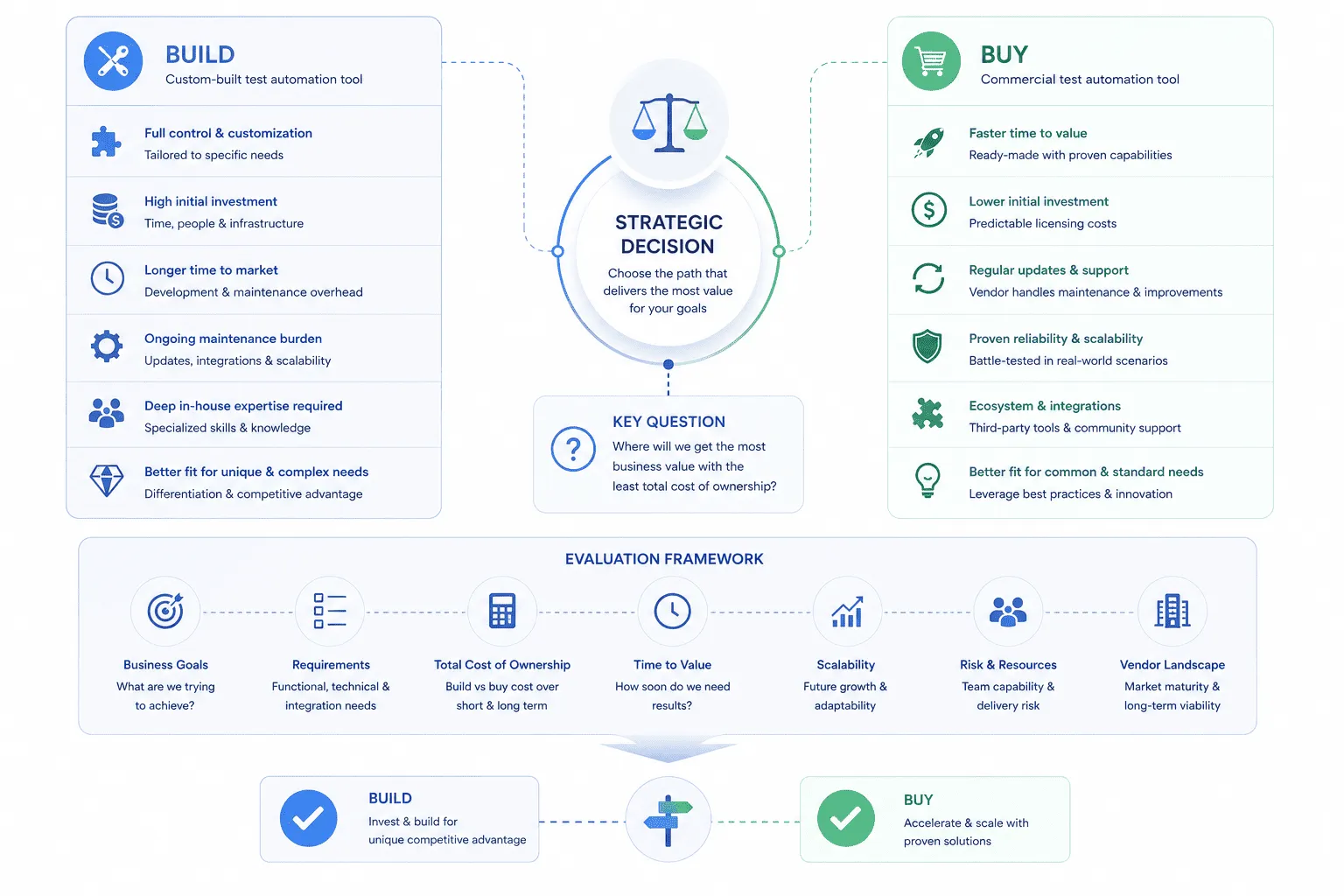
How to Choose the Right Tool for Your Team
The best test automation tool depends on your specific requirements.
- For modern web applications, Playwright and Cypress are strong choices.
- For enterprise browser automation, Selenium remains a dependable option.
- For mobile testing, Appium continues to be widely adopted.
- For API-focused systems, tools such as Postman and Keploy can support efficient testing workflows.
- For organizations prioritizing business-readable automation, Robot Framework offers a compelling approach.
- For large-scale browser and device coverage, BrowserStack Automate can complement existing frameworks.
Rather than searching for a single "best" solution, many successful teams build a testing stack that combines multiple tools to address different layers of their application.
Final Thoughts
Continuous testing plays a vital role in modern CI/CD pipelines by helping teams deliver software faster while maintaining quality. The right test automation tools can accelerate feedback, improve test coverage, and reduce release risk.
However, tool selection should always be driven by application requirements, team expertise, and long-term maintainability rather than industry trends alone.
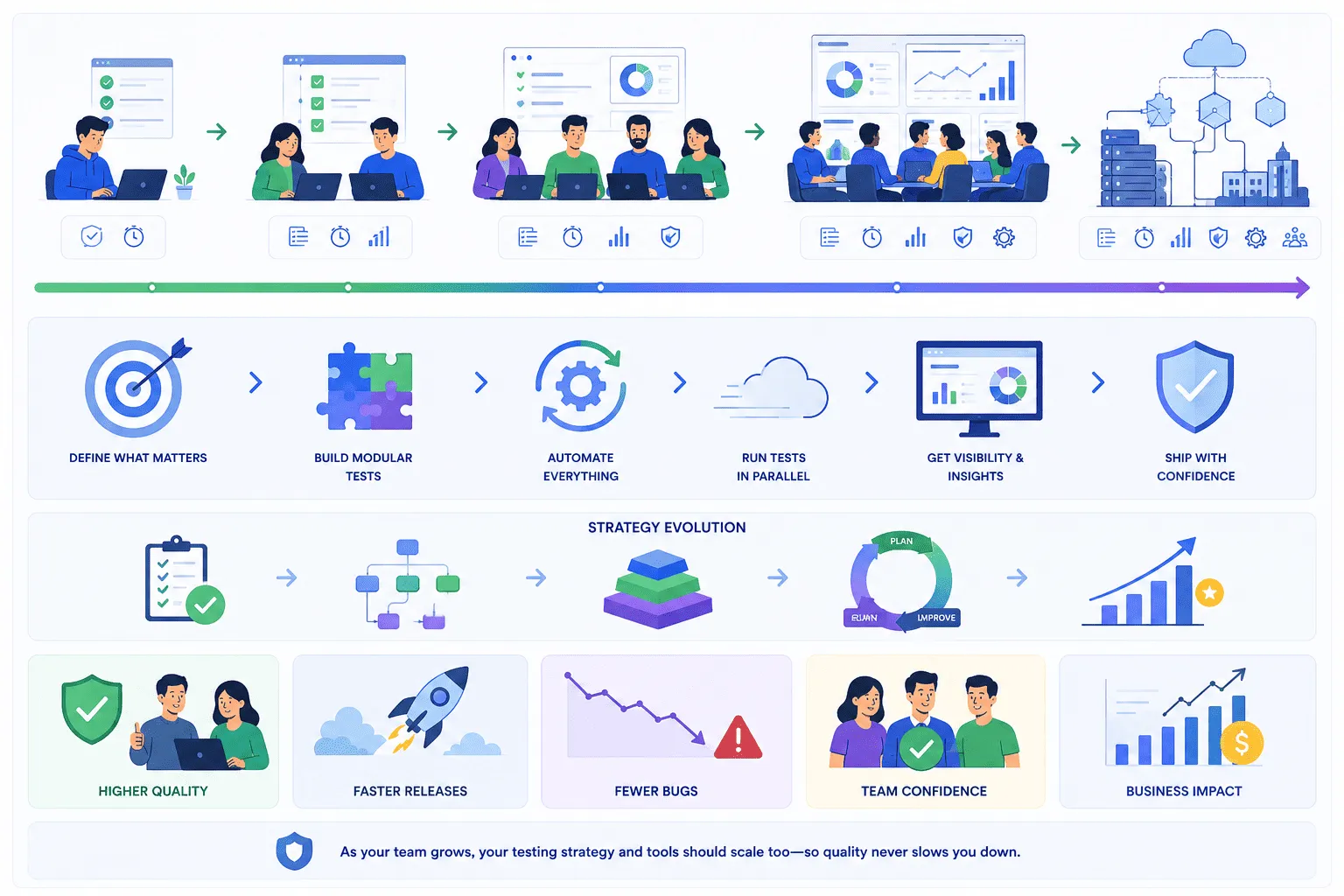
Organizations that view automation as part of a broader quality strategy - not simply a collection of tools - are often the ones that achieve the greatest success with continuous testing.
























Sign in to leave a comment.